

TRIBE Pricing and Review: Features, Pros, Cons & Costs
TRIBE runs a different model from most influencer platforms. Instead of searching a database and pitching creators, brands post a brief and creators from TRIBE’s 70,000-plus opt-in community submit finished content on spec. You pay only for the posts you approve. It is a branded-content marketplace, not a discovery tool, and that shapes everything about how it prices and who it fits.
The catch is the cost structure. TRIBE takes a platform fee of 20% in the US and UK and 30% in Australia on top of what you pay creators, and its subscription or activation fees are not published. This review breaks down the full cost, the features that matter, the honest pros and cons, and the alternatives worth pricing against it.
TRIBE Overview
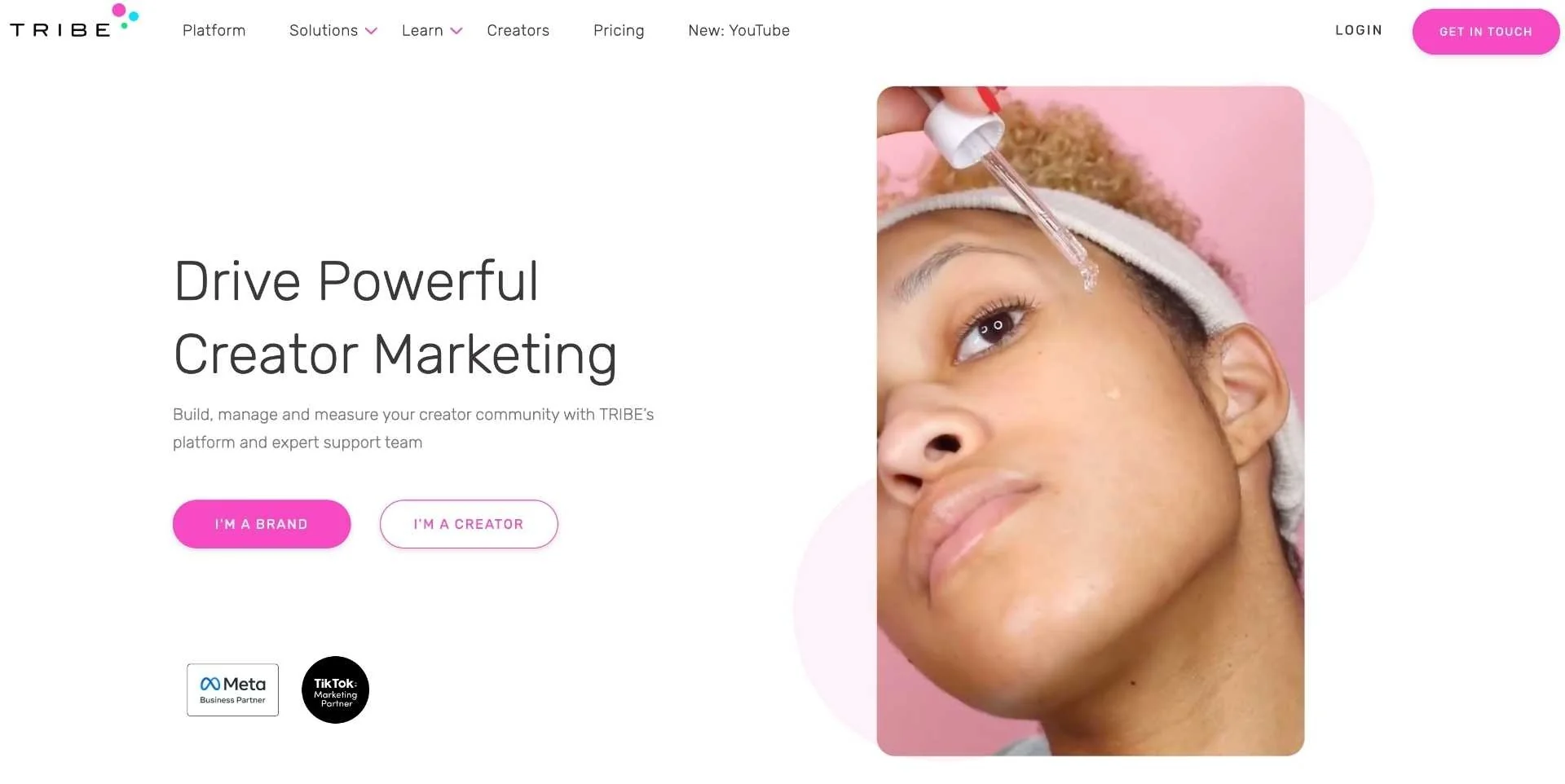
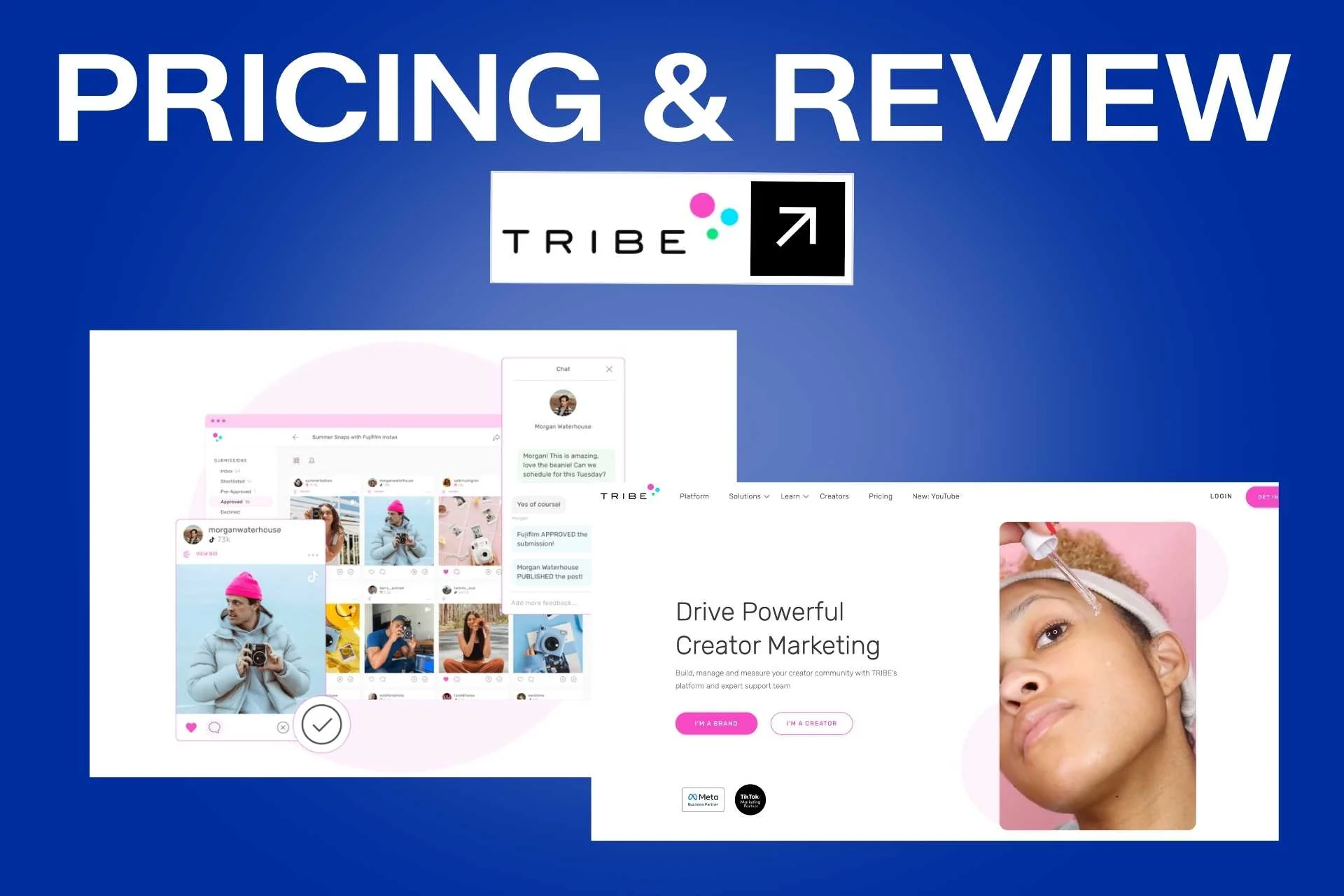
TRIBE calls itself “a creator community, not a database,” and that distinction is the whole product. Brands and agencies post a creative brief, opt-in creators submit content made for that brief, and brands buy only the pieces they approve. TRIBE handles the communications, approvals, legals, and payments in the middle. That is closer to a content marketplace than the influencer CRM tools where you build and manage long-term creator relationships yourself.
The platform covers TikTok, Instagram, Snapchat, Pinterest, and more recently YouTube, and layers on extras like TRIBE Unlocked for employee-generated content and in-house media buying. Brands including Coca-Cola, Disney, and ASOS have run campaigns through it, which speaks to the quality and safety of the content pool.
Where TRIBE shines is low-risk content sourcing. Where it gets expensive is at scale, because the platform fee is a percentage of spend rather than a flat cost.
Who Should Use TRIBE
TRIBE fits brands that need content more than they need a creator relationship engine. It makes the most sense for:
- Brands that want UGC and branded content at volume without recruiting creators one by one
- Marketers who value paying only for content they approve, removing the risk of a collaboration that flops
- D2C brands that repurpose creator content into paid social and need a steady content pipeline
- Teams without an in-house recruitment function, since TRIBE brings the community, though a dedicated creator marketplace can do the same for less
- Larger brands comfortable with percentage-based fees and custom annual contracts
- Companies running employee-generated content or needing media buying alongside creator content
Key Features
TRIBE is built around content sourcing rather than creator search. Here is what the platform actually does.
Brief-Based Content Marketplace
Brands post a creative brief and creators self-select in, submitting content built to that brief. It flips the usual model: instead of you chasing creators, they come to you with finished work you can accept or pass on.
Pay-Per-Approved-Content
You only pay for the pieces you approve, typically $50 to $500 per piece depending on the creator’s tier. That removes the risk of paying upfront for a collaboration that underdelivers, which is TRIBE’s single biggest selling point.
Opt-In Creator Community
TRIBE’s pool of more than 70,000 opt-in creators skews toward engaged micro-influencers, generally in the 3K to 100K follower range. Because creators choose to join and submit, the content tends to feel more authentic than cold-sourced work.
Campaign Management
TRIBE centralizes communications, content approvals, legal agreements, and creator payments in one place. For a brand without an influencer operations team, this removes most of the administrative load of running a campaign.
Real-Time Measurement
Analytics pull first-party data directly from social platform APIs, so reach and engagement figures are grounded in real numbers. It is solid for content performance, though it does not go as deep on ROI and affiliate-sales campaign reporting as tools built for D2C conversion tracking.
Content Licensing and Reuse
Approved content can be reused across your owned and paid channels, so a single campaign can feed organic social, ads, and site content. For brands that treat creators as a content engine, this reuse is where the value compounds.
TRIBE Unlocked
An employee-generated content solution that lets brands source authentic content from their own staff, useful for companies that want a steady internal content stream alongside creator campaigns.
Media Buying Services
TRIBE offers paid amplification of creator content in-house, so approved posts can be pushed as paid social without moving the work to a separate agency or ad tool.
TRIBE Pricing
Here is the honest version: TRIBE does not publish subscription prices. What is public is the fee structure. Creators are paid per approved piece, typically $50 to $500, and TRIBE adds a platform fee of 20% in the US and UK and 30% in Australia on top, plus card processing fees. Above that sit optional activation fees or annual subscriptions that are quoted, not listed.
Self-Serve (Pay as You Go)
- No subscription, pay per campaign
- Creators paid per approved content piece, typically $50 to $500
- 20% platform fee in the US and UK, 30% in Australia, plus card processing fees
- Best for testing the platform or running occasional campaigns
Standard
- Custom activation fee or annual subscription, quoted rather than listed
- Same per-content creator payments plus the platform fee
- Adds more support and higher campaign volume
Enterprise
- Custom annual contract
- Managed service with a dedicated customer success team
- Media buying and TRIBE Unlocked available
The Platform Fee Math
The 20% to 30% platform fee is charged on every dollar you pay creators, with no cap. That is fine on a small test, but it grows with your program. At roughly $3,250 a month in creator payments, TRIBE’s 20% US fee alone equals a flat $649 monthly subscription on a platform like Influencer Hero, and that is before any TRIBE activation or subscription fee. The more you spend, the worse the percentage model looks against flat pricing. There is a free trial to test the platform, but the fee applies to every live campaign.
TRIBE Reviews
TRIBE holds 4.3/5.0 (G2, 37 reviews), a solid score with enough volume to actually trust, which is more than most platforms in this category can claim. Capterra lists the product but currently shows no scored reviews. Reviewers consistently praise the quality of submitted content and the pay-for-approved model, while the common complaints center on the transactional nature of the relationships and the platform fee.
Integrations
TRIBE does not publish a broad integrations directory. Its connections are mostly to the social platforms it runs campaigns on, pulling first-party performance data through their APIs:
- Instagram and TikTok: the core channels for content submission and measurement
- Snapchat and Pinterest: supported for campaign distribution
- YouTube: more recently added to the platform
- Social platform APIs: power the real-time, first-party analytics
- Media buying: paid amplification handled in-platform rather than through an ad-tech integration
The surface is narrow, and there is no public Shopify or WooCommerce integration to tie approved content to store sales. Brands that want outreach automation and eCommerce hooks wired into their own stack will find TRIBE more closed than self-serve tools.
Pros of TRIBE
You pay only for content you approve
The pay-for-approved model is TRIBE’s best feature. You see finished content before spending a cent on it, which removes the single biggest risk in influencer marketing: paying upfront for a post that lands flat. For content-led brands, that alone can justify the platform.
High-quality, brand-safe content pool
Because creators opt in and submit real work, the content skews polished and on-brief, and the roster of major brands using TRIBE reflects that. You are pulling from an engaged community rather than cold-emailing strangers, which lifts the average quality of what you get.
Low operational lift
TRIBE manages communications, legals, approvals, and payments, so a lean team can run steady content campaigns without building an influencer operations function. For brands that want output without overhead, that convenience is real.
Cons of TRIBE
Uncapped percentage platform fee
The 20% to 30% platform fee applies to every dollar you pay creators, with no ceiling. On a small campaign it is minor, but as your program grows the fee grows with it, and past a few thousand dollars a month it costs more than a flat subscription on a comparable platform. It is the classic cost trap: cheap to start, expensive to scale.
Opaque subscription and activation pricing
Beyond the published fee percentages, TRIBE does not disclose its activation fees or subscription amounts. You cannot model your total cost from the website, and the Standard and Enterprise tiers require a sales conversation to price.
Transactional, not relationship-driven
TRIBE is built around one-off content buys, not ongoing creator partnerships. If your strategy depends on building repeat relationships with a core group of creators, the marketplace model works against you, since it treats each piece of content as a standalone transaction.
Narrow integrations and speculative creator work
There is no public Shopify or WooCommerce integration to connect content to sales, and the surface is otherwise thin. The spec-work model can also limit creator participation, since creators invest effort with no guarantee of payment, which can thin the pool for niche or lower-budget briefs.
”


Is TRIBE Worth It?
TRIBE is worth it for brands that want a reliable stream of approved, brand-safe content and are happy to pay a percentage for the convenience of not recruiting or managing creators. For content-hungry D2C teams that repurpose UGC into ads, the pay-for-approved model genuinely lowers risk and speeds up the content pipeline.
Where it falls down is scale and relationships. The uncapped 20% to 30% fee punishes bigger programs, the pricing is opaque, and the transactional model does not build the ongoing creator partnerships that drive long-term influencer marketing. If those matter, price these alternatives first:
- Influencer Hero: An all-in-one platform with flat, public pricing at $649, $1,049, and $2,490 per month and no percentage fee. It covers discovery across eight platforms, fake-follower detection, lookalike search, brand-follower identification, a Chrome extension, automated outreach, a full CRM, and native Shopify, WooCommerce, and custom eCommerce support.
- Afluencer: A creator marketplace where creators apply to your campaign listings. A cheaper way to solve creator supply without the percentage fee.
- Insense: A UGC and creator-ads marketplace with strong Shopify integration, built for brands that turn creator content into performance ads.
- #paid: A branded-content marketplace with a similar creator handraise model, weighted toward larger managed campaigns.
- Skeepers: A UGC and consumer-content platform for brands that need authentic content at scale, with a heavier focus on reviews and ratings content.
Final Thoughts
TRIBE does one thing very well: it turns creator content into a low-risk buy, letting you approve before you pay from a genuinely strong community. The cost model is the catch, with an uncapped percentage fee and pricing you cannot see until you talk to sales, which makes it pricier to scale than flat-rate software. Run the numbers on your expected creator spend, factor in the platform fee, and weigh the more transparent TRIBE alternatives before you commit.

.png)


.jpg)