

Reachbird Pricing and Review: Features, Pros, Cons & Costs
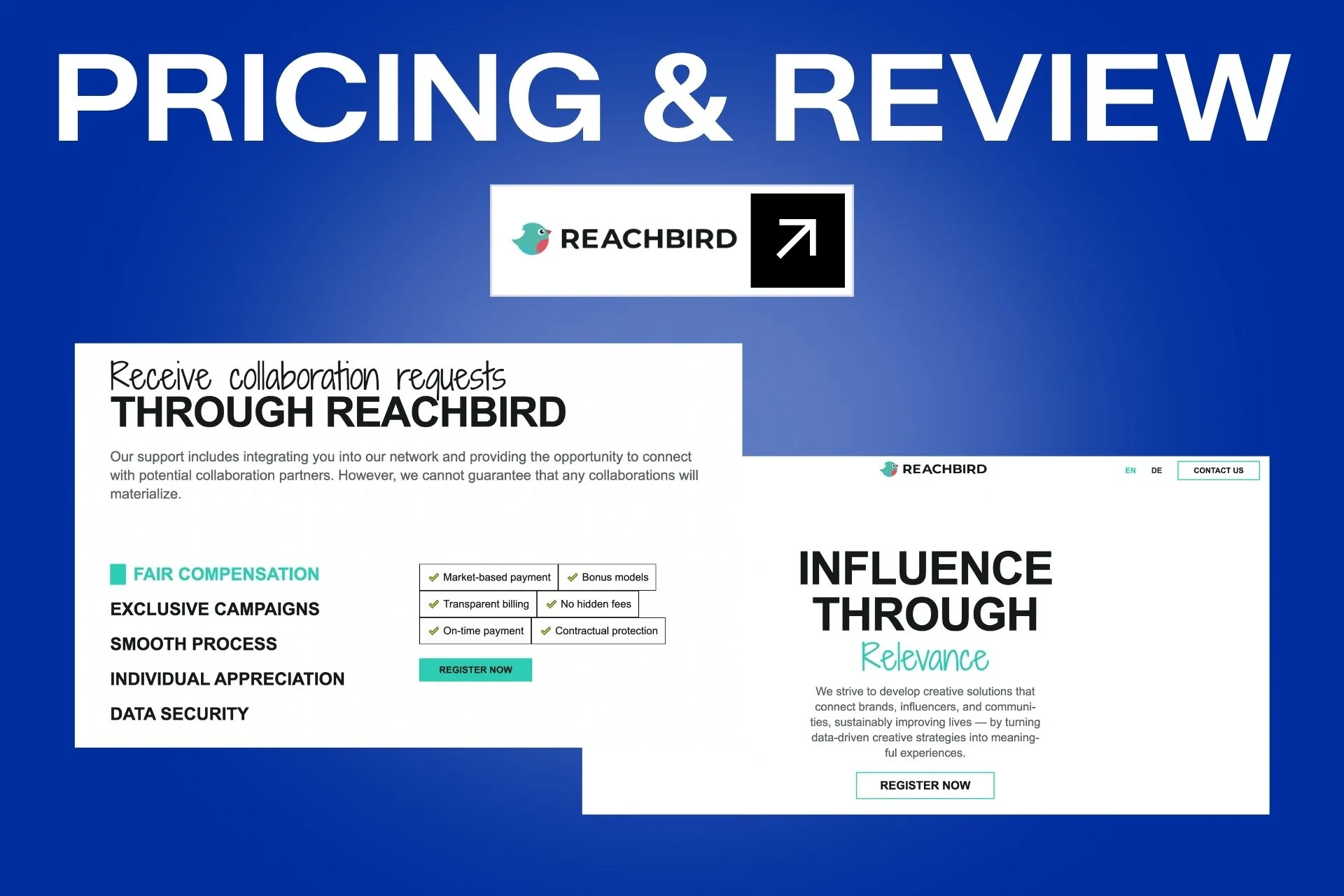
Reachbird is a tech-driven, full-service influencer marketing agency based in Munich, focused on the DACH region of Germany, Austria and Switzerland. It combines strategy, its own RTECH platform and hands-on services to run campaigns end to end, and its client roster leans enterprise, with names like PayPal, Siemens, Unilever, Decathlon and Bayer.
On pricing, Reachbird works like an agency, not a software subscription. There is no public rate card and no self-serve plan; cost is scoped to the campaign and the services you need, so every engagement starts with a proposal. That fits brands wanting managed execution, but it means there is nothing to compare upfront.
This review covers what Reachbird actually does, how its agency pricing works and where the real cost sits, where its regional and full-service strengths matter, and the honest limitations a brand should weigh.
Reachbird Overview
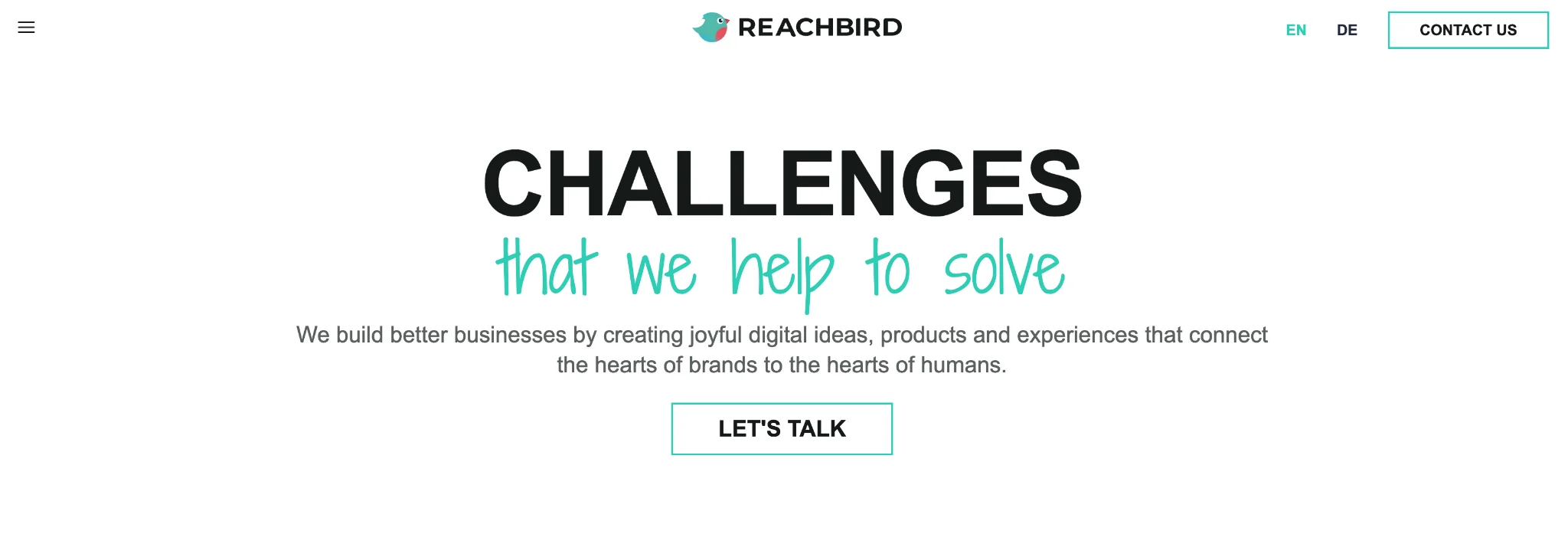
Reachbird is an agency first and a technology company second. Brands bring a goal, and Reachbird handles strategy, creator selection, content, campaign management and reporting, supported by its proprietary RTECH platform for data-driven campaign steering. RTECH is an internal competitive edge rather than a product you log into yourself.
What sets it apart is breadth and region. Beyond influencer campaigns, Reachbird offers content and UGC production, performance marketing and social ads, and even digital out-of-home and on-site activations, plus a real B2B influencer capability. Its deep focus on the DACH market is the core of the pitch.
It is built for brands that want a local expert to run the whole program, not a dashboard to operate. Teams that would rather manage creator relationships themselves will find dedicated influencer CRM tools a better fit; Reachbird is for those who want the work handled.
Who Should Use Reachbird
Reachbird fits brands that want a managed, regional partner. It suits:
- Brands targeting the DACH region, where Reachbird’s local expertise and creator relationships are strongest.
- Companies that want a managed agency, rather than running campaigns on self-serve software.
- B2B brands, given Reachbird’s dedicated B2B influencer and LinkedIn capability.
- Enterprise marketers, reflected in a client list of large, established brands.
- Brands wanting omnichannel campaigns, combining influencer work with content, paid social and out-of-home.
- Teams without in-house influencer expertise, who need strategy and execution handled for them.
Key Features
Reachbird’s offering is built around managed, full-service campaigns backed by its own data platform.
Managed Campaign Management
Reachbird runs the full campaign lifecycle, from strategy and creator selection through execution and reporting, so brands set direction while the agency does the work.
RTECH Data Platform
RTECH is Reachbird’s proprietary platform for data-driven, structured campaign steering and creator selection. It powers reporting and measurement internally; brands wanting to benchmark that depth can compare dedicated campaign reporting and analytics.
Strategy and Consulting
The agency leads with strategic consulting and concept development, shaping the campaign before any creator is briefed, which suits brands new to the channel.
Content and UGC Production
Reachbird produces content and user-generated content as part of campaigns, so brands get creative assets, not just creator posts.
Performance Marketing and Social Ads
Beyond organic influencer work, Reachbird runs performance marketing and social advertising, tying creator content to paid amplification and measurable outcomes.
B2B Influencer Marketing
A dedicated B2B influencer capability, including LinkedIn, is a genuine differentiator, since most influencer platforms are built almost entirely for consumer brands.
Omnichannel and DOOH Activations
Reachbird extends campaigns into digital out-of-home and on-site activations, making it an omnichannel partner rather than an influencer-only shop.
Multi-Platform Reach
Campaigns span Instagram, TikTok, LinkedIn and YouTube Shorts, covering both consumer and professional audiences.
Reachbird Pricing
Reachbird does not publish pricing. It is an agency, so cost is scoped to each campaign and service mix, and the points below describe how that works.
Quote-Based Agency Pricing
- There is no public rate card and no self-serve subscription; you receive a proposal built around your brief.
- Cost reflects the services you include, from influencer campaigns to content, paid media and activations.
- Every engagement starts with a consultation, so there is nothing to compare upfront.
Scoped to Campaign and Services
- Pricing scales with campaign size, creator tier and how much of the funnel you hand over.
- Creator costs and Reachbird’s agency fee both sit inside the scope, so ask for them separated.
- Bundling content, ads and DOOH into one scope changes the number significantly.
The Real Cost: Agency Premium
- A full-service agency carries a premium over self-serve software, because you are paying for people and expertise.
- Since pricing is quote-only, get a written breakdown and compare it against running campaigns on flat-priced software.
- Clarify whether engagements are project-based or retainer, and how fees scale over time.
Reachbird Reviews
Reachbird’s independent review picture is thin, so lean on its client roster more than a star rating.
- Limited verified review volume on the major software review sites, with no reliable aggregate score to cite.
- The strongest public signal is a client list of large brands such as PayPal, Siemens, Unilever, Decathlon and Bayer.
An enterprise client roster is a real credibility signal, but it is not a substitute for independent buyer reviews. Treat the case studies as a starting point and ask for direct references from brands that ran comparable campaigns in your market.
Integrations
Reachbird’s stack is built around its own platform and campaign delivery rather than an open integration directory.
- RTECH platform: internal, data-driven campaign management and creator selection.
- Social platforms: Instagram, TikTok, LinkedIn and YouTube Shorts for publishing and tracking.
- Paid media: performance marketing and social advertising alongside organic campaigns.
- Offline channels: digital out-of-home and on-site activations for omnichannel reach.
Because RTECH is internal rather than a product brands connect to, Reachbird does not publish a third-party integration directory.
Pros of Reachbird
DACH and B2B Expertise
Deep focus on the DACH region plus a real B2B and LinkedIn capability make Reachbird a strong fit for two areas most global influencer tools handle poorly.
Full-Service, Omnichannel Delivery
Reachbird covers strategy, influencer campaigns, content, paid media and out-of-home in one partner, so brands can run a whole program rather than stitching tools together.
Enterprise Track Record and Data Approach
A client list of major brands, combined with the RTECH data platform, gives Reachbird real credibility for structured, measurable campaigns.
Cons of Reachbird
Opaque, Quote-Only Pricing
The biggest hesitation. There is no public rate card and no self-serve plan, cost is scoped per engagement, and the agency fee sits inside that scope, so budgeting and benchmarking are hard until you request a proposal.
Regional Focus Limits Global Brands
Reachbird’s expertise centers on the DACH market. For brands targeting audiences outside Germany, Austria and Switzerland, that regional strength becomes a limitation.
No Standalone Software
RTECH is an internal tool, not a product you can operate yourself, so brands that want hands-on, self-serve control over discovery and campaigns will not get it here.
Thin Independent Review Volume
There is little verified buyer feedback on the major review sites, so a brand cannot easily vet Reachbird through independent scores and has to rely on references and case studies.


Is Reachbird Worth It?
Reachbird is worth it for a brand targeting the DACH region, or running B2B influencer campaigns, that wants a full-service partner to handle strategy, creators, content and paid media in one place. For that brand, the regional expertise, B2B capability and omnichannel breadth are a real fit. The reservations are the opaque agency pricing, the regional ceiling, the lack of self-serve software and the thin independent reviews, so brands that want global reach or hands-on control should think carefully. If those give you pause, compare these five alternatives:
- Influencer Hero is an all-in-one influencer marketing platform with discovery across eight social platforms, fake-follower detection, lookalike search and brand-follower identification, plus automated influencer outreach, a full influencer CRM, gifting and affiliate management across Shopify, WooCommerce and custom builds, all self-serve on flat, publicly listed pricing.
- Afluencer is a marketplace where creators apply to your campaign listings, useful when creator supply, not managed execution, is the bottleneck.
- Kolsquare is a European influencer marketing platform with strong discovery, audience data and campaign management.
- Klear is an influencer marketing and analytics platform focused on discovery and audience insights.
- Heepsy is a discovery-first tool with strong search filters and audience-quality checks for finding creators fast.
Final Thoughts
Reachbird is a strong, full-service partner for its niche: DACH-focused and B2B-capable influencer marketing with omnichannel reach and a data-driven agency approach. The hesitation is transparency and scope, since pricing is quote-only, the focus is regional, there is no self-serve software, and independent reviews are thin. Decide based on whether your audience is in the DACH region and whether you want a managed partner or a tool you run yourself. If global reach, transparency or self-serve control matter, the Reachbird alternatives above deliver comparable capability with broader coverage and clearer pricing.
.png)


.jpg)