

Popular Pays Pricing and Review: Features, Pros, Cons & Costs
Popular Pays is one of the older names in creator marketing, and since Lightricks (the company behind Facetune and Videoleap) acquired it, the product has leaned harder into content than into influencer management. For a D2C brand, that shift matters. You are buying a UGC and content-creation engine that happens to include a creator marketplace, not a pure campaign-management platform.
The pricing is the friction point. Nothing is listed publicly, packages reportedly start around $999 a month, and there is no free trial. That puts Popular Pays in premium territory before you have run a single campaign, so the real question is whether the content output and opt-in marketplace justify the floor.
This review covers what Popular Pays actually does, what it costs based on the figures brands report, where it earns its keep, and the four things that tend to frustrate teams once they are inside.
Popular Pays Overview
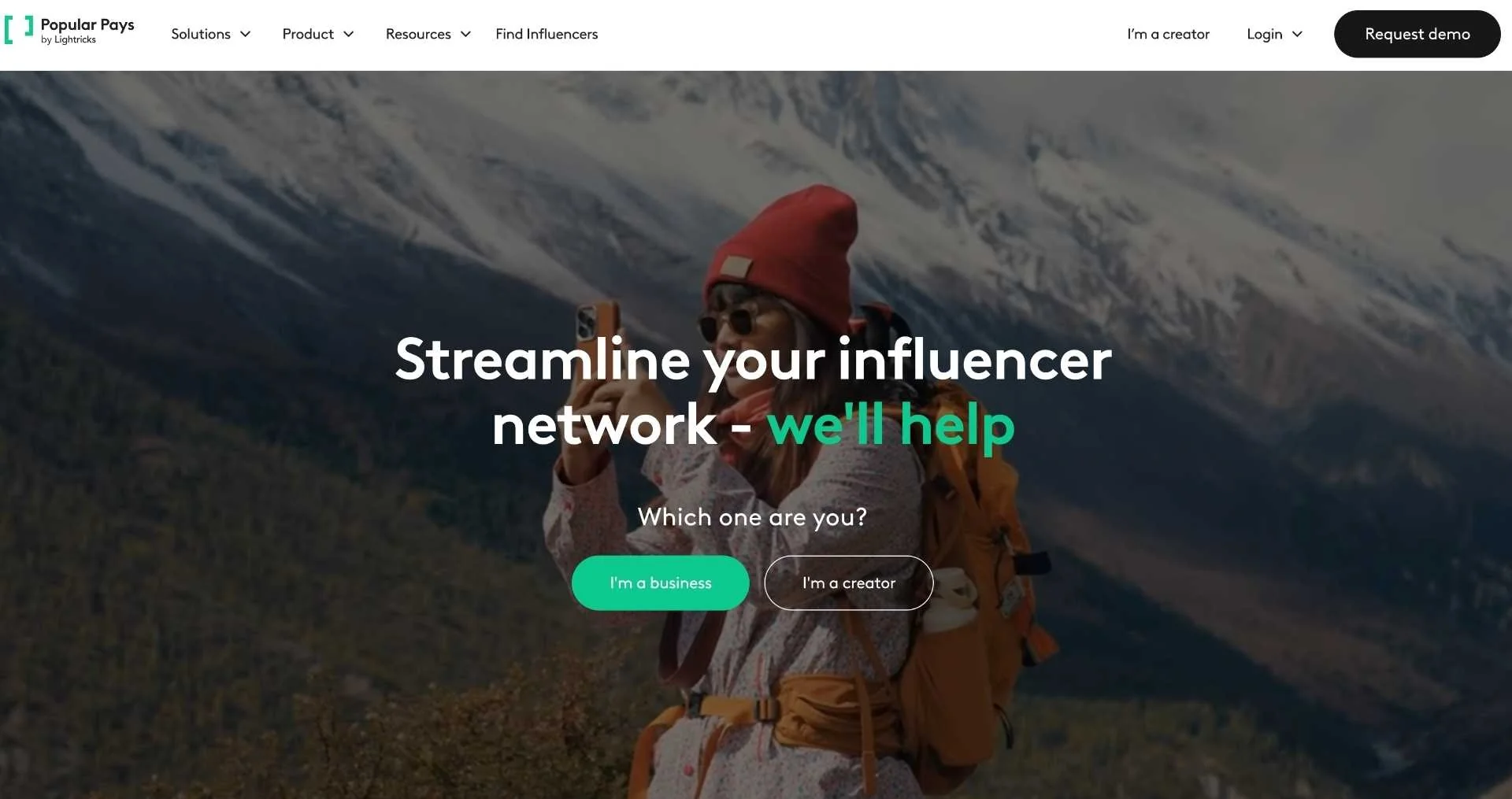
Popular Pays connects brands with a marketplace of opt-in creators, reported at roughly 60,000 to 100,000 depending on the source, across Instagram, TikTok, YouTube, Facebook, X, Pinterest, Snapchat and Amazon. Brands search for creators, send briefs, approve content, and pull the finished assets into a content library. The platform positions itself around content production as much as reach.
The differentiator is that content angle. Popular Pays runs a Social Health score that tracks a creator’s performance trend over roughly two years, and its content library pipes approved assets straight into Facebook Ads and Pinterest for repurposing. For a brand that needs a steady stream of UGC for paid social, that pipeline is the main draw.
Where it is thinner is relationship management. Popular Pays is built around campaigns and content, not long-term creator relationships, so teams that want to nurture a roster over time will find it lighter than dedicated influencer CRM tools.
Who Should Use Popular Pays
Popular Pays fits a specific kind of brand. It works best when content is the goal and budget is not the constraint. It suits:
- Mid-market and enterprise D2C brands that need a steady volume of UGC for paid social and can absorb a four-figure monthly floor.
- Performance marketing teams that want approved creator content flowing directly into Facebook Ads and Pinterest.
- Brands that prefer an opt-in marketplace, where creators have already agreed to work with brands, over cold outreach.
- Multi-platform advertisers running campaigns across Instagram, TikTok, YouTube and Amazon at the same time.
- Teams with a content bottleneck rather than a discovery bottleneck, who need production more than a giant database.
- Companies that want brand-safety screening built into the workflow before content goes live.
Key Features
Popular Pays covers the campaign lifecycle, but its heaviest investment is in content production and the library that feeds paid social.
Creator Marketplace
Popular Pays runs an opt-in marketplace of tens of thousands of creators who have agreed to work with brands. You search by platform, niche, audience basics and past collaborations, then invite creators to campaigns. Because the pool is opt-in, response rates tend to beat cold outreach, though the trade-off is a smaller database than discovery-first tools.
Content Library and Asset Management
Every approved asset lands in a central library where your team can tag, filter and download it. This is the backbone of the content-first pitch: the library is designed to feed paid social, not just archive posts.
UGC and Branded Content Production
Beyond influencer posts, Popular Pays can commission straight UGC and branded content from creators who never post to their own feed. For brands that need ad creative more than reach, this is often the reason they sign.
Campaign Briefs and Management
You build a brief, recruit creators, manage approvals and handle payment inside one flow. The campaign interface is one of the more polished parts of the product, and reviewers consistently rate it well.
Social Health Score
A proprietary metric that tracks a creator’s performance trend over roughly two years, giving a quick read on whether an account is growing or fading before you commit budget.
SafeCollab Brand Safety
An AI-powered screening layer that flags brand-safety risks in a creator’s history and content, aimed at larger brands that need vetting before a partnership goes live.
Analytics and Campaign Reporting
Popular Pays tracks campaign KPIs and content performance, but reviewers repeatedly flag the reporting as shallow beyond basic metrics. Teams that need granular attribution will find it lighter than purpose-built campaign reporting and analytics.
Multi-Platform Coverage
Campaigns can run across Instagram, TikTok, YouTube, Facebook, X, Pinterest, Snapchat and Amazon, which is broader platform coverage than many competitors offer.
Popular Pays Pricing
Popular Pays does not publish pricing. Everything runs through a sales conversation, and the figures below come from what brands and review sites report rather than a public rate card. Here is how the access tiers compare at a glance.
Lite
- SaaS subscription focused on discovery and creator relationship management.
- Pricing quoted by sales, not public.
- Best for brands that want search and discovery without full campaign tooling.
Suite
- Full platform: discovery, campaign management, content library, reporting, contracts and payments.
- Reported to start around $999 per month, billed annually.
- Best for brands running end-to-end campaigns in-house.
Single Buy
- One-time payment for a single campaign, using creators you bring yourself.
- No ongoing subscription; priced per campaign through sales.
- Best for brands testing the platform on one project before committing.
The Real Cost: Add-On Services
- Onboarding, managed services and content creation are priced separately and push the real cost well above the subscription line.
- Teams that lean on Popular Pays to run campaigns for them should budget for managed services on top of the plan.
- There is no free trial on any tier, so the first commitment is a paid one.
Popular Pays Reviews
Popular Pays is well liked where the review volume is real, with a couple of consistent complaints underneath the score.
- 4.4/5.0 (G2, 272 reviews)
- 5.0/5.0 (Capterra, 1 review, too low to weight)
Reviewers praise the campaign interface and the quality of the content, while flagging shallow reporting and a database that feels smaller than the alternatives. The Capterra listing shows a perfect score, but off a single review, so treat that as anecdotal rather than a real read. The G2 figure, built on 272 reviews, is the number to trust.
Integrations
Popular Pays keeps its integration surface narrow and focused on content distribution rather than a broad app ecosystem.
- Facebook Ads: push approved creator assets straight into paid campaigns without leaving the library.
- Pinterest: repurpose content into Pinterest ads and organic pins.
- Amazon: run and track creator campaigns tied to Amazon listings.
- Instagram, TikTok and YouTube: native connections for publishing and performance tracking.
- Content library exports: download assets for use in other ad platforms and asset-management tools.
This is a deliberately thin surface. Popular Pays does not publish a broad integration directory, so teams that rely on CRM syncs, Slack alerts or Zapier workflows will find more in platforms with deeper outreach automation.
Pros of Popular Pays
Content Output Is Genuinely Strong
The content-first design shows. Brands that come for UGC and ad creative tend to get high-quality assets, and the Lightricks pedigree in creative software is a real advantage here. If the deliverable you care about is usable content, this is where Popular Pays is at its best.
An Opt-In Marketplace Lowers Friction
Because creators have already opted in to brand work, campaigns spin up faster and reply rates beat cold outreach. For teams that hate chasing creators for a response, that head start is worth something.
Polished Campaign Management
The brief-to-payment workflow is clean and well reviewed. Running a campaign end to end inside one interface is where the product feels most mature, and it is the piece reviewers single out most often.
Cons of Popular Pays
Hidden Pricing and a High Floor
The single biggest issue. Nothing is public, the Suite reportedly starts around $999 a month, there is no free trial, and add-on services push the real number higher. You cannot budget without a sales call, and the floor rules out smaller brands entirely.
Reporting Is Shallow
Analytics stop at basic campaign metrics. Reviewers consistently want deeper audience data and attribution, and any team that lives in its reporting dashboard will hit the ceiling quickly.
The Database Is Small and Uneven
At roughly 60,000 to 100,000 creators, the pool is far smaller than discovery-first platforms with millions of profiles, and users report inactive accounts that waste search time. If your bottleneck is finding creators, this is the wrong tool.
Thin Relationship Tooling
There is no built-in messaging in the way some platforms offer; contact happens through the platform’s own threads, and long-term relationship management is light. It is built for one-off campaigns, not for nurturing a roster over time.


Is Popular Pays Worth It?
Popular Pays is worth it for a narrow profile: a mid-market or enterprise brand that needs a reliable stream of high-quality UGC for paid social and can absorb a four-figure monthly floor without blinking. For that brand, the content output and opt-in marketplace earn the price. For everyone else, the hidden pricing, shallow reporting and small database make it hard to justify over more transparent tools.
If content is not your primary bottleneck, you are likely overpaying. If any of that gives you pause, these five alternatives are worth pricing against it:
- Influencer Hero is an all-in-one influencer marketing platform with publicly listed pricing and no revenue share. It covers discovery across eight platforms with fake-follower detection and lookalike search, automated outreach, a full influencer CRM, gifting and affiliate management, and multi-platform eCommerce support. Where Popular Pays hides its pricing and keeps reporting shallow, Influencer Hero is transparent on cost and deeper on audience-quality data.
- Afluencer starts at $49/month and runs as a marketplace where creators apply to your campaign listings, useful when the problem is creator supply rather than campaign infrastructure.
- Aspire is an enterprise platform strong on branded content and community-driven campaigns, the closest like-for-like on the content angle.
- Upfluence is discovery-heavy with a large database and eCommerce integrations, a better fit when the bottleneck is finding creators rather than producing content.
- CreatorIQ delivers enterprise-grade measurement and reporting for large teams, the option when the shallow analytics are the dealbreaker.
Final Thoughts
Popular Pays is a strong content engine wrapped in a premium, opaque price. If UGC for paid social is your core need and budget is not the constraint, it delivers real value. If you need transparent pricing, deeper reporting or a bigger discovery pool, the gap between what you pay and what you get starts to show.
Before committing to that four-figure floor, it is worth lining up a short list of Popular Pays alternatives and comparing them on the one thing that actually drives the decision: what each costs at the scale you are trying to reach.

.png)


.jpg)