

LTK (rewardStyle) Pricing and Review: Features, Pros, Cons & Costs
LTK, formerly known as rewardStyle and LIKEtoKNOW.it, is one of the biggest names in creator commerce, an affiliate-driven platform where fashion, beauty and lifestyle creators turn shoppable content into sales. For brands, the way in is LTK Connect, the self-serve product that opens up LTK’s invite-only creator network and its roughly 40 million monthly shoppers.
The pricing is where LTK gets serious. Connect runs on annual subscriptions that start around $5,000 a year and climb past $35,000 for enterprise, and that is before the commission brands pay creators on every attributed sale. So the real cost comes from two places at once, and the commission is the part that grows as the program works.
This review covers what LTK Connect actually does, how its subscription-plus-commission pricing works and where the real cost sits, where its conversion-focused network is a genuine strength, and the honest limitations a brand should weigh. It closes with five alternatives worth comparing.
LTK Overview
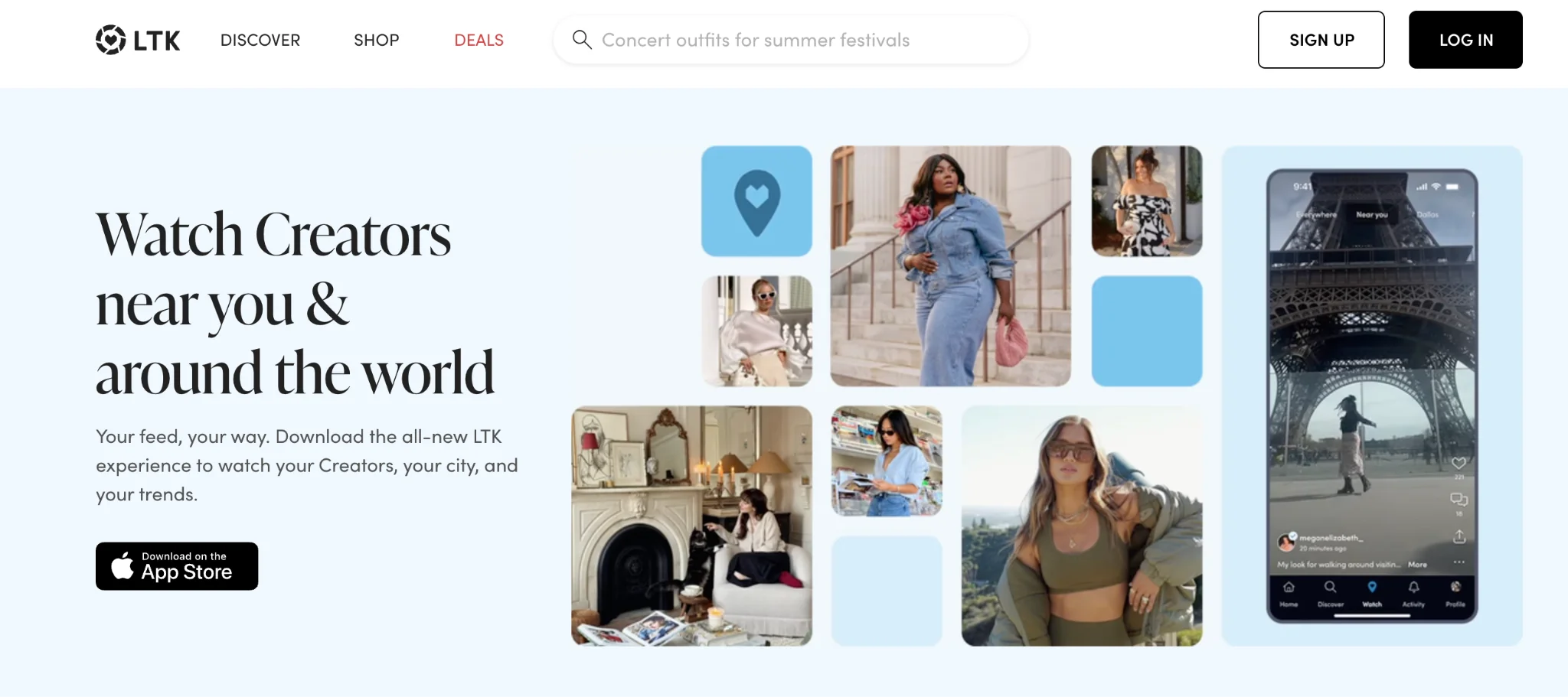
LTK is a creator commerce platform built around affiliate sales. Creators publish shoppable content and links through their LTK Shop, LTK drives shoppers to those links across more than 20 social platforms, and brands pay commission when a sale converts. It is less an outreach tool and more a curated marketplace of creators who already know how to sell.
For brands, LTK Connect is the self-serve layer. It gives access to an invite-only network of vetted creators with proven conversion track records, plus campaign creation, an approval workflow, automated creator payments and sales-level reporting. LTK also backs it with in-house brand consultants, so it sits somewhere between software and a managed service.
The center of gravity is fashion, beauty, home and lifestyle. If your products live in those verticals and you care about bottom-funnel, attributable sales, LTK is squarely aimed at you.
Who Should Use LTK
LTK Connect fits a fairly specific brand. It suits:
- Fashion, beauty and lifestyle brands, where LTK’s creator network and shopper base are strongest.
- Brands focused on attributable sales, who want commission-based, bottom-funnel results rather than reach metrics.
- DTC brands with healthy margins, who can absorb both an annual subscription and creator commission.
- Teams that want a vetted, conversion-proven network, rather than sourcing and screening creators themselves.
- Brands that want managed guidance, using LTK’s brand consultants to run their first campaigns.
- Established brands scaling affiliate programs, with the budget to justify the Pro or Scale tiers.
Key Features
LTK Connect’s feature set is built around a conversion-focused creator network and sales-level measurement.
Invite-Only Creator Network
LTK’s network is invite-only and vetted, made up of creators with years of experience converting sales. That curation is the core of the value: you are buying access to proven sellers, not an open database.
LTK Shop and Shoppable Links
Creators feature brand products through their LTK Shop and trackable links, distributed across more than 20 social platforms, so every click and sale ties back to a specific creator and piece of content.
Creator Discovery with Conversion Data
Brands can discover creators using conversion rate and performance data rather than just follower counts, which is exactly the signal that matters for an affiliate-driven program.
Pre-Built Campaign Creation
Connect includes pre-built campaign templates that automatically set post requirements for each channel, cutting down the manual setup of briefing creators across platforms.
Approval Workflow
A streamlined approval flow lets brands review and approve creator submissions before they publish, keeping control over how products are represented.
Automated Creator Payments
Commission payouts to creators are handled automatically on attributed sales, so brands do not manage individual creator payments themselves.
Sales and ROI Analytics
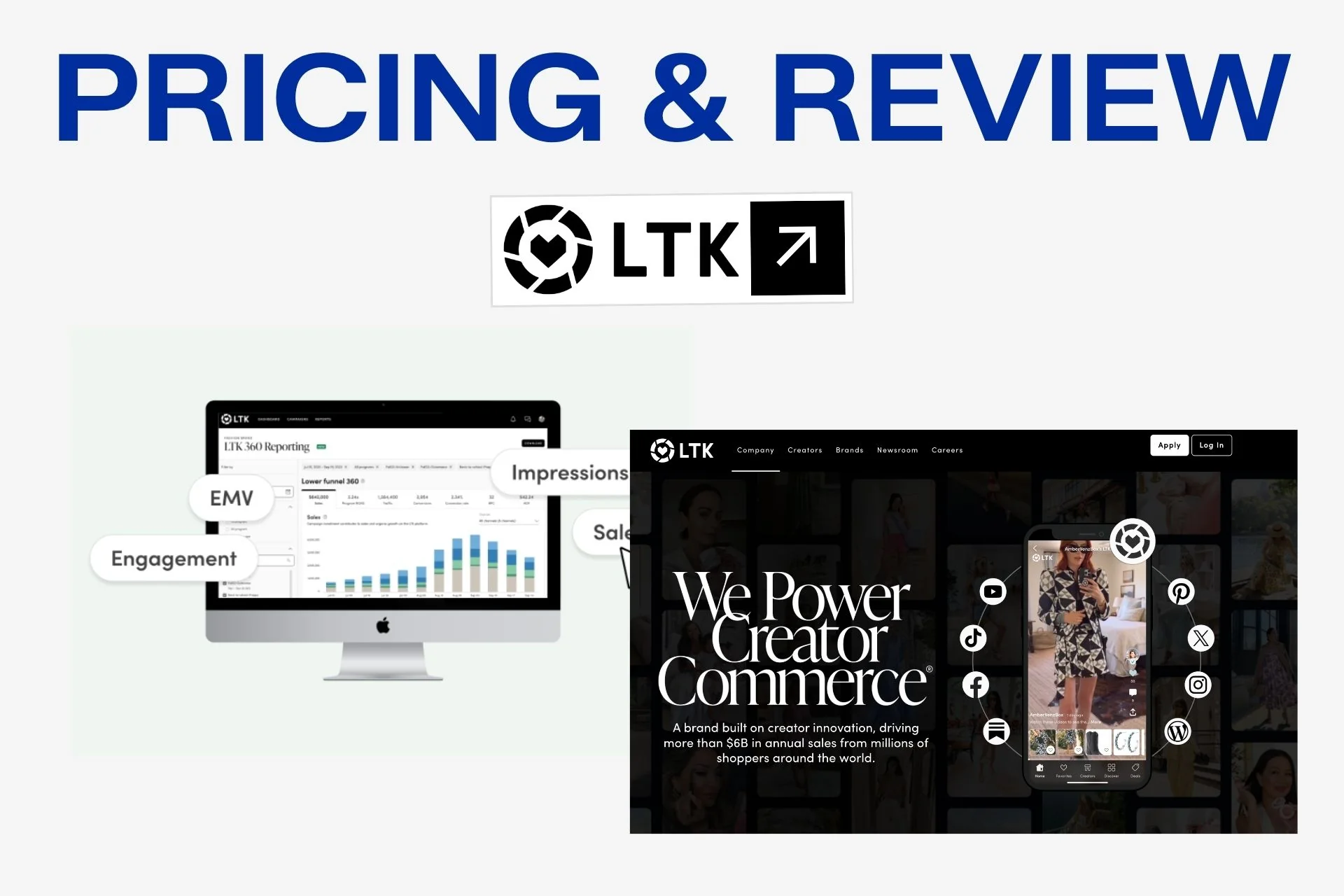
Connect reports on sales, conversion rates, orders and ROI, giving brands hard bottom-funnel numbers. Brands that want to benchmark this depth can compare it against dedicated campaign reporting and analytics.
Brand Consultants and Managed Support
LTK backs Connect with in-house brand consultants and direct support for first-campaign setup, so brands new to affiliate creator marketing are not left to figure it out alone.
LTK Pricing
LTK does not publish pricing on its site, so the tiers below come from aggregator listings and are annual-only. The critical point: every plan carries a subscription and the creator commission you pay on sales, so budget both.
Connect Launch
- Roughly $5,000 per year (about $417 per month equivalent), billed annually.
- Around 10 creators per month, aimed at brands starting an affiliate creator program.
- Creator commission applies on top of the subscription.
Connect Pro
- Roughly $12,000 per year (about $1,000 per month equivalent), billed annually.
- Around 50 creators per month, for brands scaling an active program.
- Creator commission still applies on top.
Connect Scale
- Starts around $35,000 per year, positioned for enterprise brands.
- Unlimited creators per month plus more hands-on support.
- Commission applies on top, and some agreements add a one-time onboarding fee.
Creator Commission
- Brands set their own commission rate, typically 10-20% of attributed sales (LTK often recommends around 14-16%).
- Commission is completely separate from the subscription and accrues continuously as creators drive sales.
- For an active program, commission payouts frequently exceed the subscription itself.
The Real Cost: Subscription Plus Commission
- Model both lines together. On Connect Launch at $5,000/yr with a 15% commission, driving $100,000 in attributed sales adds $15,000 in commission, for roughly $20,000 all-in that year.
- Because commission scales with success, the fee grows precisely when the program works, so budget at the sales volume you are aiming for, not the one you have today.
- Annual contracts are standard, so treat LTK as a yearly commitment, not a month-to-month test.
LTK Reviews
LTK’s review picture is solid but not flawless, and the complaints cluster around cost and data.
- 4.0/5.0 (G2, 94 reviews), praising influencer matching, the interface and account support, while flagging high placement costs and limited performance data.
- 4.2/5.0 (Capterra, low review volume, 9 reviews), citing easy product linking and a strong creator community, with a learning curve and reporting gaps as downsides.
The consistent theme across both is that LTK works, but it is expensive and its data can be thinner than brands expect. Weigh the strong network and support against the repeated cost and reporting complaints, and press for the specific analytics you need before committing.
Integrations
LTK’s connections are built around sales attribution and distribution rather than a broad software directory.
- Ecommerce and affiliate networks: sales tracking and commission attribution tie creator links back to orders.
- Social platforms (20+): creator content and shoppable links are distributed across the major social channels.
- LTK Shop: the creator storefront that hosts links and drives shopper traffic.
- Analytics and reporting: sales, conversion and ROI data inside the Connect dashboard.
LTK does not publish a broad third-party integration directory, and it is a closed, managed ecosystem rather than an open stack. Brands that need lightweight, self-serve outreach outside LTK’s network should compare it against tools with stronger outreach automation.
Pros of LTK
Conversion-Proven Creator Network
LTK’s invite-only network is made up of creators with real sales track records, which is the whole point of an affiliate-driven platform. For fashion and lifestyle brands, that curated pool is hard to match.
Hard Sales and ROI Data
Because the model is affiliate-based, LTK reports real, attributable sales, conversion and ROI numbers, not just impressions. That bottom-funnel visibility is genuinely useful for justifying spend.
Managed Support and Consultants
In-house brand consultants and first-campaign support mean brands new to creator commerce get real guidance, which lowers the risk of an expensive false start.
Cons of LTK
Expensive, Two-Part Pricing
The biggest hesitation. Annual subscriptions run from about $5,000 to $35,000+ and creator commission stacks on top, so the all-in cost is high and, for a working program, the commission often exceeds the subscription. Reviewers repeatedly flag cost and limited ROI, especially for smaller brands.
Narrow Vertical Focus
LTK’s strength is fashion, beauty, home and lifestyle. Brands outside those verticals will find the creator network and shopper base far less relevant.
Closed, Invite-Only Network
You are limited to LTK’s creators, cannot freely bring or discover creators from the wider web, and reviewers note that creators can be slow to respond or engage with campaigns.
Reporting and Data Gaps
Despite the sales focus, reviewers cite limited past-performance data and dashboard gaps, so the analytics can fall short of what brands expect when planning campaigns.


Is LTK Worth It?
LTK Connect is worth it for a fashion, beauty or lifestyle brand with real margin that wants a vetted, conversion-proven creator network and hard affiliate sales data in one place. For that brand, the network quality and bottom-funnel measurement justify the price. The reservations are the high, two-part cost, the narrow vertical focus, the closed network and the reporting gaps, so smaller brands and those outside LTK’s verticals should think carefully. If those give you pause, compare these five alternatives:
- Influencer Hero is an all-in-one platform with discovery across eight social platforms, fake-follower detection, lookalike search and brand-follower identification, plus automated outreach, a full influencer CRM, gifting and affiliate management across Shopify, WooCommerce and custom builds, on flat, publicly listed monthly pricing with no revenue share.
- Afluencer is a marketplace where creators apply to your campaign listings, useful when creator supply, not a closed network, is the bottleneck.
- ShopMy is a creator commerce platform with affiliate links, gifting and a fast-growing creator network, often compared to LTK for fashion and beauty.
- Shopify Collabs is Shopify’s native creator and affiliate tool, letting brands recruit creators, send products and track sales directly inside their store.
- Modash is a discovery-first platform with a large global creator database and audience-quality checks for finding creators fast.
Final Thoughts
LTK is a heavyweight in creator commerce, and for fashion, beauty and lifestyle brands its vetted network and real sales data are a genuine draw. The hesitation is cost and fit, since the subscription is high, the commission stacks on top and grows with success, the network is closed, and the verticals are narrow. Decide based on whether your products and margins fit LTK’s model and whether you can commit to an annual, two-part spend. If the cost or the fit gives you pause, the LTK alternatives above deliver comparable capability with clearer pricing and broader reach.

.png)


.jpg)