

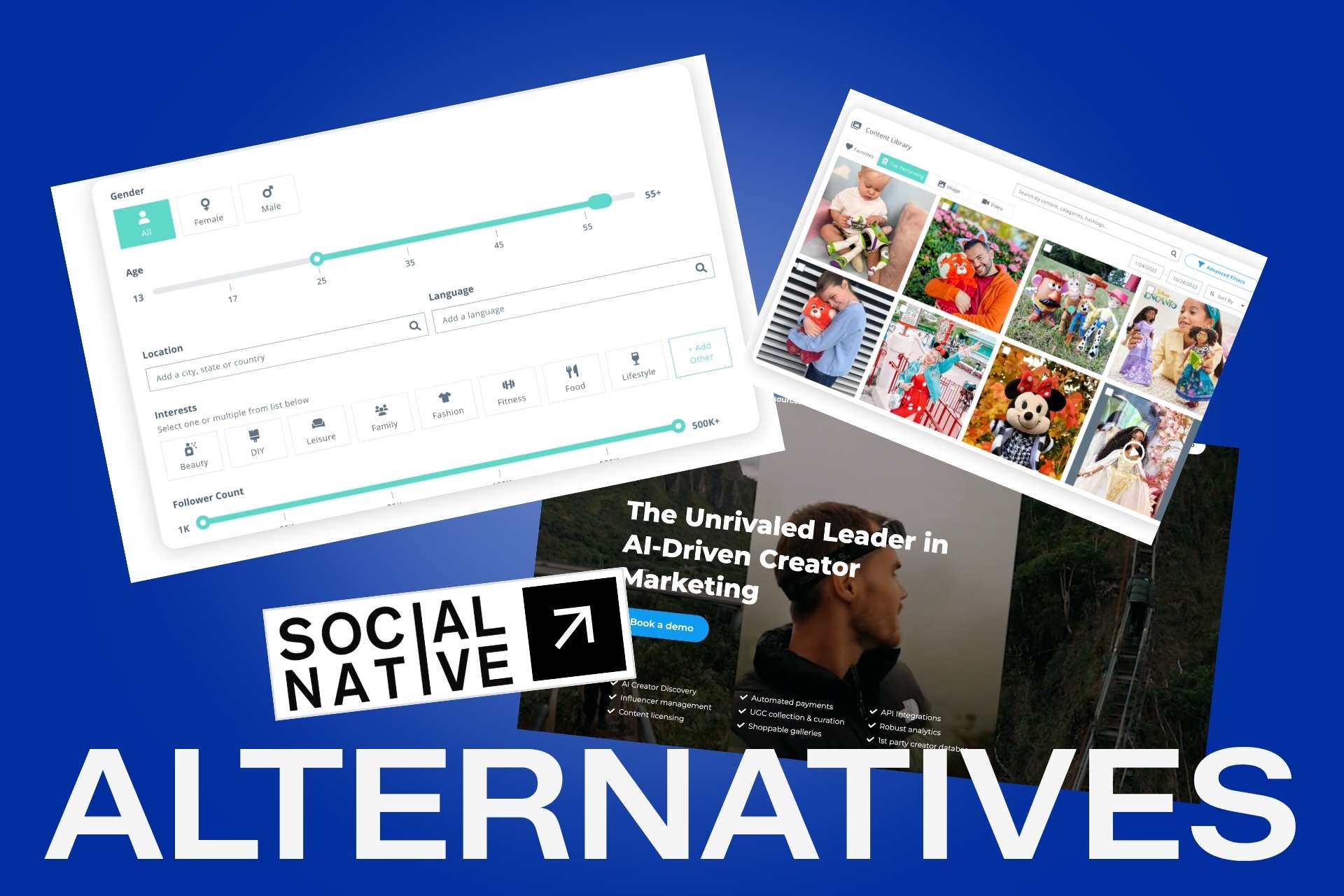
10 mejores alternativas a Social Native para marketing de influencers
Las marcas D2C hoy en día dependen en gran medida del software de marketing de influencers para optimizar el descubrimiento de creadores, automatizar la prospección, gestionar campañas y rastrear el ROI real de las asociaciones con creadores. Social Native se ha posicionado como una plataforma sólida orientada al contenido, que ayuda a las marcas a obtener UGC y convertirlo en activos de alto rendimiento en todo el comercio electrónico y los medios pagados. Sin embargo, muchos equipos comienzan a explorar alternativas a Social Native debido a la transparencia limitada de precios, una curva de aprendizaje más pronunciada y menos flexibilidad para flujos de trabajo altamente personalizados o casos de uso de prospección ligera. Para las marcas que evalúan plataformas de marketing de influencers, es importante comparar herramientas que se alineen mejor con sus necesidades operativas, presupuesto y estrategia de crecimiento.
En esta guía, desglosamos 10 de las mejores alternativas a Social Native, incluidas Influencer Hero, Upfluence, Aspire, CreatorIQ, Later, IZEA, Traackr, Influencity, Heepsy y Lefty, para ayudarlo a encontrar la opción adecuada para su stack de marketing de influencers.
Criterios clave para evaluar plataformas de marketing de influencers
Funciones principales
Evaluación de capacidades esenciales de marketing de influencers, incluido descubrimiento de influencers, prospección, CRM, gestión de campañas, informes y flujos de trabajo de contenido.
Precios y flexibilidad
Comparación de modelos de precios, planes de suscripción y términos de contrato para adaptarse a diferentes presupuestos y etapas de crecimiento.
Reseñas de clientes y satisfacción
Análisis de comentarios de usuarios de plataformas de reseñas confiables, enfocándose en facilidad de uso, confiabilidad, soporte al cliente y rendimiento general.
Ventajas y desventajas
Revisión de los puntos fuertes y limitaciones de cada plataforma para destacar dónde se desempeña bien y dónde puede quedarse corta según diferentes casos de uso.
Integraciones
Revisión de las integraciones más importantes (por ejemplo, Shopify y otras herramientas tecnológicas), destacando lo que cada integración permite en una oración.
Descripción general de Social Native
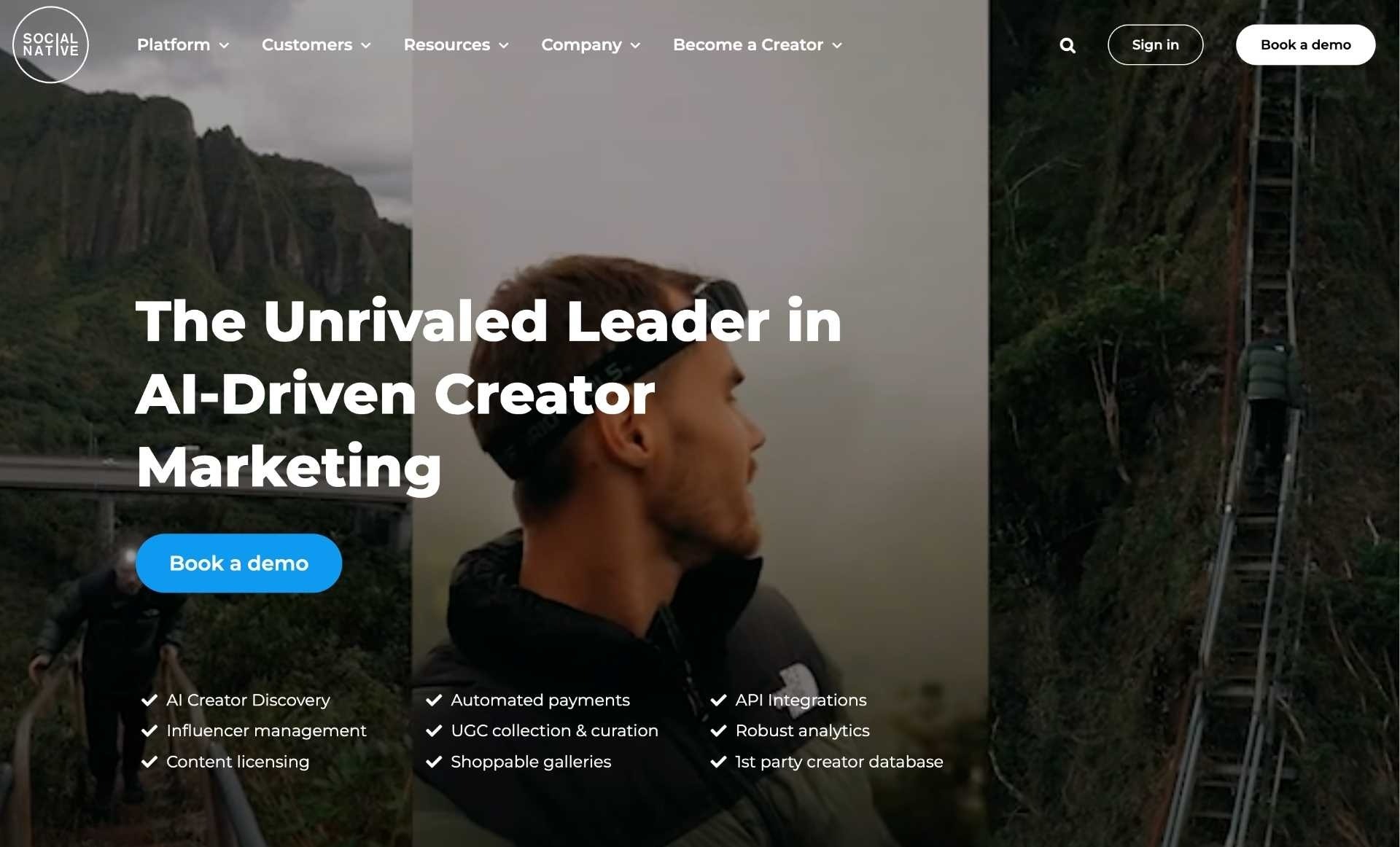
Social Native es una plataforma de marketing de creadores y contenido generado por usuarios (UGC) diseñada para ayudar a las marcas a obtener, gestionar y escalar contenido impulsado por creadores en redes sociales, medios pagados y comercio electrónico. A diferencia de las herramientas tradicionales de marketing de influencers que se centran principalmente en el descubrimiento y la prospección, Social Native se posiciona como un motor de contenido de pila completa que ayuda a las marcas a convertir colaboraciones de creadores en activos de alto rendimiento y comprables en todo el recorrido del cliente.
La plataforma es particularmente adecuada para marcas que priorizan la producción de contenido y el marketing de rendimiento, permitiendo a los equipos activar contenido de creadores en canales como redes sociales pagadas, páginas de productos y entornos de comercio social.
Funciones clave
- Descubrimiento de creadores impulsado por IA
Social Native ofrece descubrimiento de creadores impulsado por IA combinado con una red de creadores de origen, que permite a las marcas identificar creadores según el estilo de contenido, la compatibilidad con la audiencia y los objetivos de la campaña, no solo métricas superficiales. - Gestión de influencers de extremo a extremo
Gestione el ciclo de vida completo de las campañas de influencers, desde la incorporación de creadores y la comunicación hasta la ejecución y el seguimiento del rendimiento, dentro de una plataforma centralizada. - Abastecimiento y curación de UGC
Recopile y seleccione contenido de alta calidad generado por usuarios y creadores a escala, lo que facilita construir una canalización consistente de activos de marketing auténticos. - Licencia de contenido y gestión de derechos
Una característica destacada es sus flujos de trabajo de licencia integrados, que permiten a las marcas obtener, gestionar y reutilizar contenido de creadores de forma segura en canales pagados y propios sin manejo manual de contratos. - Pagos automáticos de creadores
Optimiza los pagos con flujos de trabajo de pago integrados, reduciendo la necesidad de herramientas externas o procesos financieros manuales. - Galerías UGC comprables
Incorpore contenido de creadores directamente en experiencias de comercio electrónico a través de galerías comprables que vinculen contenido a productos, mejorando las tasas de conversión y la participación en el sitio. - Activación de medios pagados
```Reutilizar contenido de creadores para campañas de publicidad social pagada en plataformas como Meta y TikTok, permitiendo a las marcas usar contenido de influencers como creatividades publicitarias impulsadas por rendimiento. - Analytics de rendimiento y optimización
Realizar un seguimiento del rendimiento de la campaña, la participación del contenido y las métricas de conversión para optimizar la selección de creadores y los resultados de la campaña a lo largo del tiempo. - Habilitación de comercio social
Admite la activación en ecosistemas de comercio social como TikTok Shop, Instagram Shopping y Pinterest, ayudando a las marcas a conectar contenido directamente a transacciones. - Capa de servicios administrados
Además del software, Social Native ofrece soporte operativo para la obtención de creadores, incorporación, logística y ejecución de campañas, actuando como una extensión de los equipos internos.
Precios
Social Native no divulga públicamente los precios.
- Los precios son personalizados y basados en presupuesto
- Requiere reservar una demostración con su equipo de ventas
Reseñas
No disponible
Integraciones
- Meta (Facebook e Instagram) – Ejecutar anuncios dirigidos por creadores y activar contenido de influencers directamente dentro de campañas de publicidad social pagada.
- TikTok – Obtener e implementar contenido de creadores nativo de TikTok para campañas tanto orgánicas como pagadas.
- Pinterest – Crear y optimizar contenido visual para el descubrimiento de productos y audiencias enfocadas en compras.
- Snapchat – Desarrollar y distribuir contenido impulsado por creadores personalizado para campañas de Snap.
- X (Twitter) Ads – Ampliar contenido de creadores a canales de medios pagados adicionales para mayor alcance.
Ventajas
- Fuerte canalización de UGC a comercio
Social Native destaca en convertir contenido de creadores en experiencias comprables, lo que la hace especialmente valiosa para marcas DTC enfocadas en conversión y participación en el sitio. - Asociaciones profundas con plataformas para medios pagados
Las asociaciones oficiales con Meta, TikTok, Pinterest y Snapchat dan a las marcas una ventaja clara al escalar contenido de creadores a campañas pagadas. - Enfoque centrado en el contenido e impulsado por el rendimiento
A diferencia de muchas plataformas de influencers, Social Native se enfoca fuertemente en el rendimiento del contenido, la atribución y el ROI, lo que la convierte en una opción sólida para equipos de marketing de crecimiento y rendimiento.
Desventajas comunes de Social Native
Falta de transparencia en precios
Sin precios públicos ni niveles de planes, requiere conversaciones de ventas antes de la evaluación, lo que ralentiza la comparación y la toma de decisiones.
Curva de aprendizaje para nuevos usuarios
La amplitud de la plataforma (UGC, licencias, medios pagados, análisis) puede hacer que la incorporación sea más compleja en comparación con herramientas de divulgación de influencers más simples.
Flexibilidad limitada para flujos de trabajo especializados
La personalización de campañas puede parecer restrictiva para marcas que ejecutan estrategias de influencers muy específicas o poco convencionales.
No ideal para necesidades ligeras de divulgación de influencers
Las marcas que buscan solo descubrimiento de influencers y divulgación pueden encontrar la plataforma demasiado compleja o con demasiadas funciones para sus necesidades.
Mejores alternativas a Social Native
| HERRAMIENTA | RESEÑAS | MEJOR PARA | INFORMACIÓN DE PRUEBA | PRECIOS | ||
|---|---|---|---|---|---|---|
1 |

|
⭐ | CRM de influencers y automatización | Reservar demo | Precios | Sitio web |
2 |

|
⭐ | Descubrimiento de influencers | Reservar demo | ```html Precios | Sitio web |
3 |

|
⭐ | Asociaciones con influencers | Reservar demostración | Precios | Sitio web |
4 |

|
⭐ | Marketing de influencers empresarial | Reservar demostración | Precios | Sitio web |
5 |

|
⭐ | Campañas de redes sociales e influencers | Reservar demostración | Precios | Sitio web |
6 |
|
⭐ | Mercado de influencers | Reservar demostración | Precios | Sitio web |
7 |

|
⭐ | Analytics empresariales de influencers | Reservar demostración | Precios | Sitio web |
8 |

|
⭐ | Gestión de campañas | Reservar demostración | Precios | Sitio web |
9 |

|
⭐ | Descubrimiento de influencers | Reservar demostración | Precios | Sitio web |
10 |
```
|
⭐ | Analytics e descubrimiento de influencers | Solicitar demostración | Precios | Sitio web |

Influencer Hero
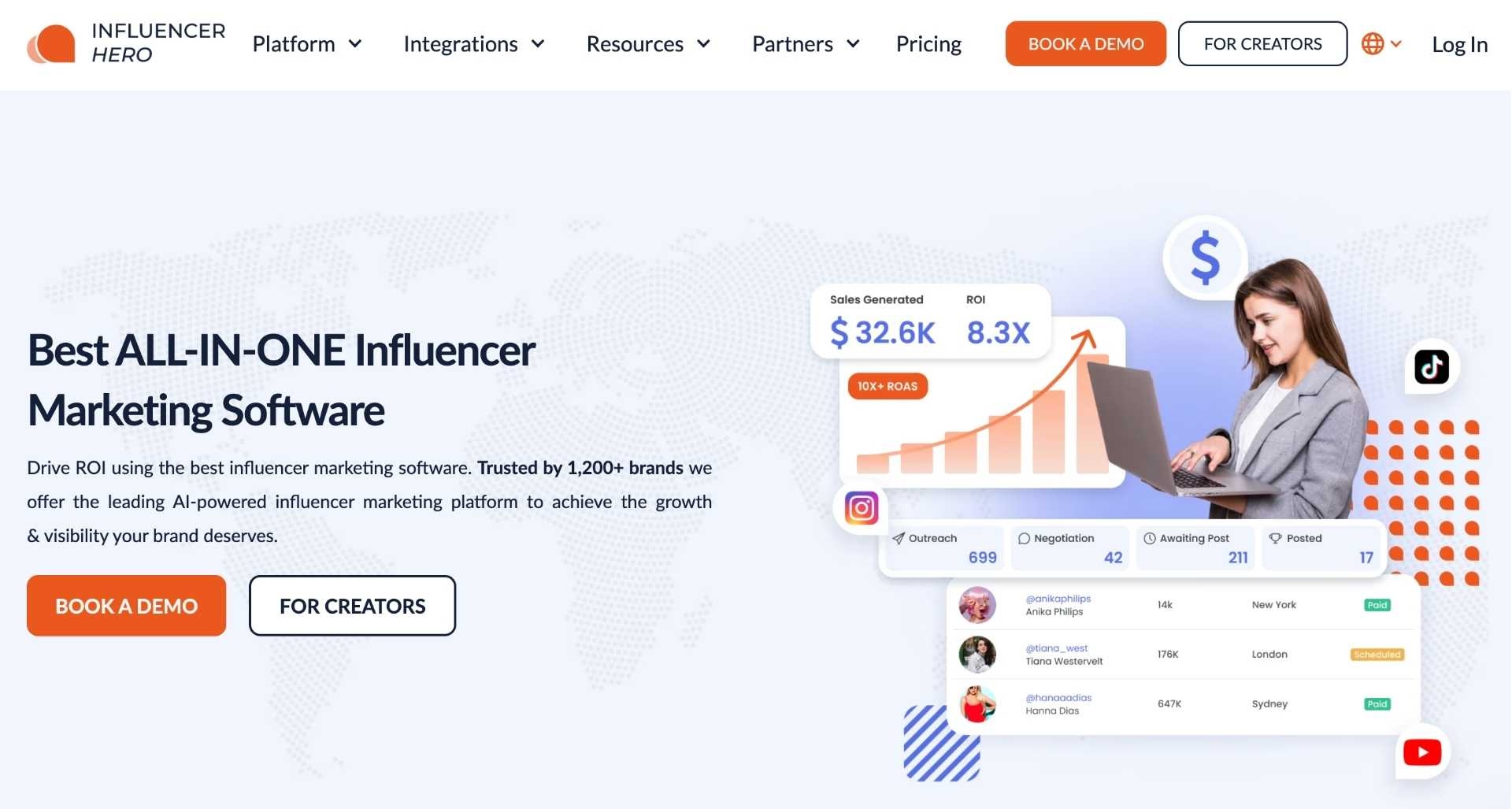
Influencer Hero es una plataforma de marketing de influencers integral creada para marcas DTC y equipos de comercio electrónico que desean descubrimiento de influencers, alcance, CRM, envío de productos, seguimiento de afiliados, recopilación de UGC y medición de ROI en un único flujo de trabajo. Su posicionamiento es especialmente fuerte para marcas que se preocupan por la automatización, la orquestación de campañas y vincular la actividad de creadores con los ingresos en lugar de tratar el marketing de influencers como un canal de conciencia desconectado.
Características clave
- Descubrimiento de influencers
Busque creadores en plataformas principales con filtros avanzados de audiencia, participación, ubicación y nicho, además de detección de fraude y recomendaciones de similitud - Alcance y automatización
Ejecute alcance personalizado a escala con mensajería asistida por IA, seguimientos automatizados y secuencias de correo electrónico de múltiples pasos - CRM de influencers
Centralice relaciones de creadores con gestión de canalizaciones para conversaciones, etapas de campañas y entregables - Flujos de trabajo de envío de productos
Gestione la siembra de productos de extremo a extremo con creación de pedidos automatizada, seguimiento de envíos y monitoreo de entrega - Seguimiento de afiliados y pagos
Cree enlaces rastreables y códigos de descuento, mida el rendimiento y gestione comisiones y pagos en un único flujo de trabajo - Análisis de campañas y seguimiento de ROI
Realice un seguimiento de la participación, clics, conversiones e ingresos a través de paneles en tiempo real vinculados al rendimiento de la campaña - Biblioteca de UGC
Capture y organice automáticamente el contenido del creador para su reutilización en anuncios pagados, redes sociales y canales de comercio electrónico - Páginas de aplicación y tiendas
Cree páginas de solicitud de creadores personalizadas y permita que los influencers promuevan productos a través de tiendas personalizadas - Integraciones de comercio electrónico
Conéctese directamente con plataformas como Shopify y WooCommerce para vincular la actividad de influencers con las ventas y la atribución - API e integraciones
Expanda las capacidades con acceso a API e integraciones como Klaviyo, Slack, Zapier y plataformas de correo electrónico
Precios
Influencer Hero ofrece precios flexibles basados en el volumen de alcance y puede tener creadores ilimitados en su CRM:
- Estándar — $649/mes (hasta 1,000 mensajes de alcance por mes)
- Pro — $1,049/mes (hasta 5,000 mensajes de alcance por mes)
- Empresarial — $2,490/mes (hasta 10,000 mensajes de alcance por mes)
- Personalizado / Agencia — Precios personalizados
Los precios personalizados están disponibles para agencias y equipos más grandes
Reseñas
4.9/5.0 (Capterra)
Ventajas
- Automatización de CRM orientada a campañas
Influencer Hero se destaca por tableros de relaciones, acciones en lotes y flujos de correo electrónico automatizados construidos específicamente para programas de creadores de alto volumen. - Flujos de trabajo impulsados por IA creados para escala
Influencer Hero simplifica el ciclo de vida completo de la campaña, desde el descubrimiento hasta el alcance, con automatización, puntuación predictiva y sugerencias de campañas inteligentes, ayudando a los equipos a reducir el trabajo manual sin perder control. - Alcance altamente personalizado a volumen
Los flujos de correo electrónico mejorados por IA y los seguimientos automatizados generan mensajes que se sienten personalizados y relevantes, mejorando las tasas de respuesta, conversiones y relaciones de creadores a largo plazo.
Desventajas
- Precios más altos para equipos pequeños
Puede ser menos accesible para marcas en etapa inicial o aquellas con presupuestos limitados - Curva de aprendizaje pronunciada
La profundidad de características significa que la incorporación y configuración pueden tomar tiempo
Integraciones
- Shopify – Conecte su tienda para enviar productos a creadores, genere códigos de descuento y enlaces de afiliados, y realice un seguimiento de las ventas impulsadas por creadores.
- WooCommerce – Realice un seguimiento de las ventas de afiliados y cree códigos de descuento para campañas de creadores vinculadas a su tienda WooCommerce.
- Klaviyo
```
- Klaviyo – Sincroniza datos de influencers y clientes en flujos de correo electrónico del ciclo de vida e informes de ingresos.
- WhatsApp — Sincroniza y gestiona conversaciones de influencers directamente en el CRM, con mensajería en tiempo real, automatización e historial de chat completo.
- DocuSign – Envía, realiza un seguimiento y firma contratos de creadores más rápidamente dentro del flujo de trabajo de influencers más amplio.
Social Native vs Influencer Hero
Social Native se orienta más hacia la activación de contenido y el comercio de UGC, con un fuerte énfasis en las licencias, casos de uso de medios pagos y la conversión del contenido de creadores en activos comprables. Influencer Hero es más centrado en CRM y operaciones, con un énfasis mayor en la automatización de alcance, la gestión de relaciones con creadores, el seguimiento de afiliados y la ejecución de campañas vinculada directamente a ingresos de comercio electrónico.
Social Native suele ser la mejor opción para marcas que priorizan la producción de contenido de creadores y la activación de activos multicanal. Influencer Hero es la opción más fuerte para marcas que desean una precios más transparente, un CRM de campaña más profundo y un mejor control del flujo de trabajo para descubrimiento, gifting, programas de afiliados y seguimiento de creadores en un solo lugar.
Upfluence

Upfluence es una plataforma de marketing de influencers construida alrededor del descubrimiento, alcance, ejecución de campañas, seguimiento de afiliados y pagos, con un ángulo de comercio electrónico particularmente fuerte. Su propuesta principal es que las marcas pueden encontrar creadores, activar clientes como influencers, sincronizar datos de tiendas y medir ventas de actividad de influencers en un solo lugar.
Funciones clave
- Base de datos grande de creadores y búsqueda avanzada – Upfluence destaca públicamente una base de datos de más de 14 millones de creadores y admite filtrado avanzado por audiencia, nicho, geografía, desempeño y similares.
- Descubrimiento asistido por IA y configuración de campañas – Jaice AI se posiciona como un copiloto de IA para descubrimiento, alcance y creación de campañas, ayudando a los equipos a personalizar la comunicación y lanzar campañas más rápidamente.
- Alcance masivo ilimitado – La plataforma admite alcance masivo, plantillas, campos personalizados y secuencias de correo electrónico de goteo en planes superiores, junto con integración de Gmail y Outlook.
- Marketplace de creadores y páginas de reclutamiento – Las marcas pueden permitir que los creadores se postulen para programas a través de páginas de reclutamiento y un marketplace de entrada.
- CRM y gestión de relaciones – Upfluence incluye seguimiento de campañas, registros de creadores, historial de comunicaciones y flujos de trabajo de relaciones de influencers para la gestión continua del programa.
- Coincidencia de comercio electrónico e identificación de cliente a creador – Una característica destacada es la coincidencia de CMS/base de datos que ayuda a las marcas a identificar clientes influyentes dentro de su CRM o stack de comercio electrónico.
- Gifting de productos y seguimiento de afiliados – Upfluence conecta la actividad del creador al gifting, códigos de descuento, enlaces de afiliados, conversiones y ventas rastreadas a través de sus integraciones de comercio electrónico.
- Pagos masivos y apoyo de cumplimiento – El nivel Autopilot añade manejo de presupuesto, pagos globales de creadores en monedas locales y apoyo para procesos fiscales y de facturación.
- Analytics de campaña en tiempo real – Las marcas pueden rastrear me gusta, alcance, impresiones, clics, conversiones y ventas, especialmente cuando se habilitan integraciones de comercio electrónico.
Precios
- Modelo de precios: Upfluence utiliza precios personalizados en lugar de una tabla de planes fijos públicos.
- Todos los planes se personalizan. Hay un mínimo de un año completo de servicio que debe comprometerse con pagos mensuales. En promedio, los planes comienzan alrededor de $2,000/mes ($24,000 anuales)
Reseñas
4.3/5.0 (Capterra)
Ventajas
- Conectividad fuerte de stack de comercio electrónico – Upfluence es uno de los ajustes mejores para marcas que desean descubrimiento de influencers conectado directamente a Shopify, Amazon y otros sistemas de tiendas para seguimiento de conversiones.
- Coincidencia de cliente como creador – Su capacidad de coincidencia de CMS y comercio electrónico es un diferenciador significativo porque ayuda a las marcas a encontrar clientes existentes que ya pueden ser ajustes de creadores fuertes.
- Jaice AI en múltiples flujos de trabajo– Upfluence está integrando IA más profundamente en el producto, desde asistencia por correo electrónico hasta creación de campañas, lo que la hace más orientada a la automatización que muchas plataformas heredadas.
Contras
- La tarificación no es transparente – Los compradores aún necesitan pasar por ventas para obtener precios firmes, y los compromisos anuales siguen siendo un punto de fricción común.
- Hay una curva de aprendizaje – Los usuarios describen regularmente la plataforma como poderosa pero no especialmente ligera para equipos principiantes.
- La edición de campañas y la flexibilidad del flujo de trabajo pueden ser limitadas – Algunos usuarios reportan una configuración engorrosa, editabilidad limitada una vez que las campañas están construidas, y fricción en la organización de listas.
Integraciones
- Shopify – Conecte datos de tienda y cliente, identifique clientes influyentes, rastree ventas y ejecute flujos de trabajo de gifting y afiliados.
- Amazon – Atribuya el desempeño del creador a las ventas del mercado y la actividad de afiliados, que es un diferenciador importante para marcas omnicanal.
- WooCommerce – Extienda el seguimiento de campañas de comercio electrónico y conversiones más allá de Shopify.
- Klaviyo – Extraiga datos de clientes y correo electrónico en flujos de trabajo de identificación de creadores y CRM.
- Stripe – Apoye operaciones de pago e financieras vinculadas a campañas de influencers y compensación de creadores.
Social Native vs Upfluence
Social Native es más fuerte como plataforma de activación de contenido y UGC, especialmente para marcas que desean activos de creadores licenciados, reutilización de medios pagos y experiencias de contenido comprables. Upfluence es más fuerte para equipos de rendimiento de comercio electrónico que necesitan descubrimiento de creadores, gestión de afiliados, emparejamiento de clientes-influencers y atribución directa de ingresos a través de Shopify y Amazon.
Si su prioridad es escalar contenido de creadores en canales pagos y propios, Social Native tiene la ventaja del motor de contenido más clara. Si su prioridad es convertir creadores e incluso clientes existentes en impulsores medibles de ingresos, Upfluence suele ser el mejor ajuste operativo.
Aspire

Aspire es una plataforma de marketing de influencers diseñada para marcas de comercio electrónico que desean ejecutar programas de comercio de boca en boca en toda la red de influencers, embajadores, afiliados, clientes y UGC. Su posicionamiento es especialmente fuerte en torno a la combinación de descubrimiento saliente con aplicaciones de creadores entrantes, seguimiento de comercio conectado a Shopify y automatización de flujos de trabajo para escalar campañas.
Características Clave
- Descubrimiento de creadores entrantes y salientes – Aspire enfatiza que las marcas pueden buscar creadores directamente o dejar que los creadores presenten solicitudes, que es una de sus ventajas de flujo de trabajo más importantes.
- Gran mercado de creadores – Aspire afirma que las marcas pueden llegar a más de 1 millón de creadores a través de su mercado, lo que la hace especialmente fuerte para marcas que desean completar rosters de campañas a través de aplicaciones entrantes.
- Automatización del flujo de trabajo de campañas – La plataforma admite procesos comerciales automatizados para distribución de productos, contenido patrocinado, contratos y aprobaciones, ayudando a equipos reducidos a gestionar programas de creadores más grandes.
- Rastreo de afiliados y ROI atribuible – Aspire se posiciona en torno al impacto de ventas medible, con rastreo de afiliados y visibilidad de rendimiento vinculada a la actividad de creadores.
- Sourcing de UGC y reutilización de medios pagos – Aspire destaca su capacidad para generar contenido de creadores de alto desempeño para anuncios, incluidas afirmaciones sobre CPM más eficiente y CPC más bajo de UGC.
- Gifting con Shopify y emparejamiento de clientes – La integración de Shopify de Aspire admite enriquecimiento de datos de clientes, envío automático de productos, análisis de rendimiento e identificación de perspectivas valiosas de creadores dentro de datos de clientes.
- CreatorStores / Páginas de Oferta de Destino – Aspire ha expandido recientemente el comercio de creadores con microtendas de marca compartida y páginas de oferta de destino conectadas a Shopify, diseñadas para mejorar la conversión y capturar datos de primera parte.
- Soporte y servicios administrados opcionales – Las marcas pueden usar la plataforma de autoservicio o agregar servicios del equipo interno de Aspire, que es parte de su atractivo de mercado intermedio.
Tarificación
```html Aspire no publica precios de paquetes públicos completos en su sitio web. Las fuentes públicas y recientes del mercado indican:
- Precios personalizados
- A menudo reportados en aproximadamente $2,000+/mes
- Las cotizaciones recientes indicaron alrededor de $2,300/mes para una configuración de nivel medio
- Generalmente se vende con un compromiso de 12 meses en lugar de planes de autoservicio mensuales
Reseñas
4.0/5.0 (Capterra)
Ventajas
- Ventaja fuerte del marketplace de entrada – El mayor diferenciador de Aspire sigue siendo su gran marketplace de creadores de entrada, que puede reducir materialmente la prospección manual para marcas que desean que los creadores se presenten primero.
- Conectividad de comercio de primera parte – Su conexión con Shopify es más profunda que el seguimiento básico de códigos de descuento, extendiéndose hacia el enriquecimiento de clientes, gifting y visibilidad del desempeño de campañas.
- CreatorStores y microshopping – Las nuevas características de comercio de creadores de Aspire, como CreatorStores y páginas de ofertas, le dan un ángulo de comercio social más fuerte que muchos CRM de influencers tradicionales.
Desventajas
- La transparencia de precios públicos es limitada – Los compradores aún necesitan solicitar una cotización, lo que ralentiza la evaluación lado a lado.
- La plataforma puede ser cara para equipos más pequeños – Los paquetes de nivel medio ya pueden empujar hacia el rango de miles bajos por mes.
- Los usuarios siguen reportando ocasionales complejidades del producto y fricciones técnicas – Las reseñas mencionan que la configuración y navegación de características pueden sentirse pesadas en algunos flujos de trabajo.
Integraciones
- Shopify – Identifique clientes influyentes, automatice gifting de productos, realice seguimiento de envíos y mida ventas de creadores.
- Meta – Utilice contenido de creadores e identidad de creadores para anuncios de contenido de marca y amplificación de redes sociales de pago.
- TikTok – Apoye asociaciones de creadores y amplificación de pago en campañas orientadas a TikTok.
- Pinterest – Extienda la colaboración de creadores en flujos de trabajo de descubrimiento y comercio impulsados por Pinterest.
- Gmail – Sincronice comunicaciones de creadores en flujos de trabajo de campañas para una gestión de relaciones más centralizada.
Social Native vs Aspire
Social Native se centra más en obtener contenido de creadores y convertirlo en activos listos para medios pagados, con licencia y comprables. Aspire es más amplio en el lado de las relaciones, con una infraestructura más fuerte para comunidades de creadores, reclutamiento de entrada, gifting, ventas afiliadas y programas de embajadores a largo plazo.
Para marcas que necesitan primero un motor de contenido, Social Native generalmente se siente más directo. Para marcas que desean un híbrido de marketing de influencers, comercio afiliado, reclutamiento de creadores y anuncios de creadores pagados, Aspire tiende a ser el sistema operativo más completo.
CreatorIQ

CreatorIQ es una plataforma de marketing de influencers empresarial construida para marcas que necesitan descubrimiento de creadores a gran escala, gobernanza estructurada, informes avanzados y control operativo multifuncional. Se posiciona a sí misma como un sistema operativo de marketing de creadores, con inteligencia impulsada por IA, gobernanza global, cumplimiento y una infraestructura recientemente expandida de seguridad de marca y benchmarking.
Características clave
- Descubrimiento y evaluación de creadores de nivel empresarial – CreatorIQ admite búsqueda, comparación, recomendaciones y evaluación de creadores alineados con contenido con campos profundos y análisis de idoneidad de marca.
- Gestión centralizada de creadores – La plataforma está construida para equipos globales que necesitan un sistema compartido para registros de creadores, flujos de trabajo, desempeño, aprobaciones e historial de relaciones.
- Flujos de trabajo de afiliados y comercio – CreatorIQ admite marketing de afiliados de creadores y generación de ingresos a través de integraciones de nivel empresarial y herramientas de comercio de creadores.
- Gobernanza y cumplimiento empresarial – La gobernanza es una parte importante de la historia del producto, con CRM compartido, informes, registros históricos y control en marcas, mercados y divisiones.
- CreatorIQ Pay – El conjunto de productos incluye infraestructura de pago dedicada para pagos a creadores y simplificación operativa.
- ``````html BenchmarkIQ – CreatorIQ recientemente expandió BenchmarkIQ, su capa de evaluación comparativa, en 37 mercados para un análisis de desempeño más global.
- SafeIQ seguridad de marca – SafeIQ es uno de los lanzamientos recientes más importantes de CreatorIQ, añadiendo infraestructura de seguridad de marca nativa de IA diseñada para el marketing empresarial de creadores.
- IA empresarial y Creator Graph – CreatorIQ está empaquetando cada vez más IA, confianza e inteligencia de creadores a gran escala como infraestructura de producto central para marcas globales.
Precios
Hay diferentes planes:
- Plan Básico: Comienza en $35,000/año. Incluye 1,000 creadores de contacto por mes
- Plan Estándar: Comienza en $50,000/año. Incluye 2,500 creadores de contacto por mes
- Plan Profesional: Comienza en $90,000/año. Incluye 5,000 creadores de contacto por mes
- Plan Empresarial: Comienza en $200,000/año. Incluye 7,500 creadores de contacto por mes
Reseñas
4.4/5.0 (Capterra)
Ventajas
- SafeIQ es un diferenciador reciente significativo – CreatorIQ ha trabajado más que muchos competidores en seguridad de marca de nivel empresarial y nativa de IA, lo que importa para marcas globales en categorías reguladas o de alta visibilidad.
- BenchmarkIQ amplía la medición competitiva – Su capa de evaluación comparativa, ahora expandida en 37 mercados, es un fuerte diferenciador para marcas internacionales que necesitan visibilidad comparativa más allá de informes de campaña.
- Gobierno y escala estructurada – CreatorIQ es una de las opciones más fuertes cuando el marketing de influencers necesita conectarse con cumplimiento normativo, finanzas, informes y estructuras operativas globales en lugar de solo ejecución de campañas.
Desventajas
- Es costoso y dirigido por empresas – CreatorIQ generalmente está fuera del alcance para marcas DTC más pequeñas o equipos que solo necesitan ejecución de campañas ligera.
- La plataforma tiene una curva de aprendizaje más pronunciada – Los usuarios a menudo la describen como poderosa pero compleja, especialmente para equipos nuevos.
- Algunos usuarios aún reportan limitaciones de informes y actualización – Las reseñas públicas mencionan ocasionales retrasos, problemas de búsqueda o análisis que pueden parecer desactualizados.
Integraciones
- Shopify – Conecte datos de comercio a campañas de creadores e informes de ingresos.
- Google Analytics – Vincule la actividad de creadores al análisis más amplio de tráfico del sitio y desempeño.
- DocuSign – Optimice contratos de creadores y flujos de trabajo de acuerdos dentro de procesos empresariales.
- Tableau – Alimente datos de marketing de creadores en paneles ejecutivos e informes de inteligencia empresarial.
- Sprinklr – La nueva asociación con Sprinklr ayuda a unificar la medición de creadores, orgánica y social de pago en un entorno de informes más amplio.
Social Native vs CreatorIQ
Social Native es la opción más adecuada cuando el objetivo principal es obtener, licenciar y activar contenido de creadores en canales de pago, propios y de comercio electrónico. CreatorIQ es la opción más fuerte para organizaciones empresariales que necesitan gobierno, calidad de datos de plataforma directa, aprobaciones globales, controles de cumplimiento e informes ejecutivos en programas de creadores muy grandes.
En la práctica, Social Native se parece más a un motor de contenido de creadores, mientras que CreatorIQ se parece más a un sistema operativo de creadores para grandes empresas con muchos equipos, regiones, aprobaciones y partes interesadas en informes.
Later
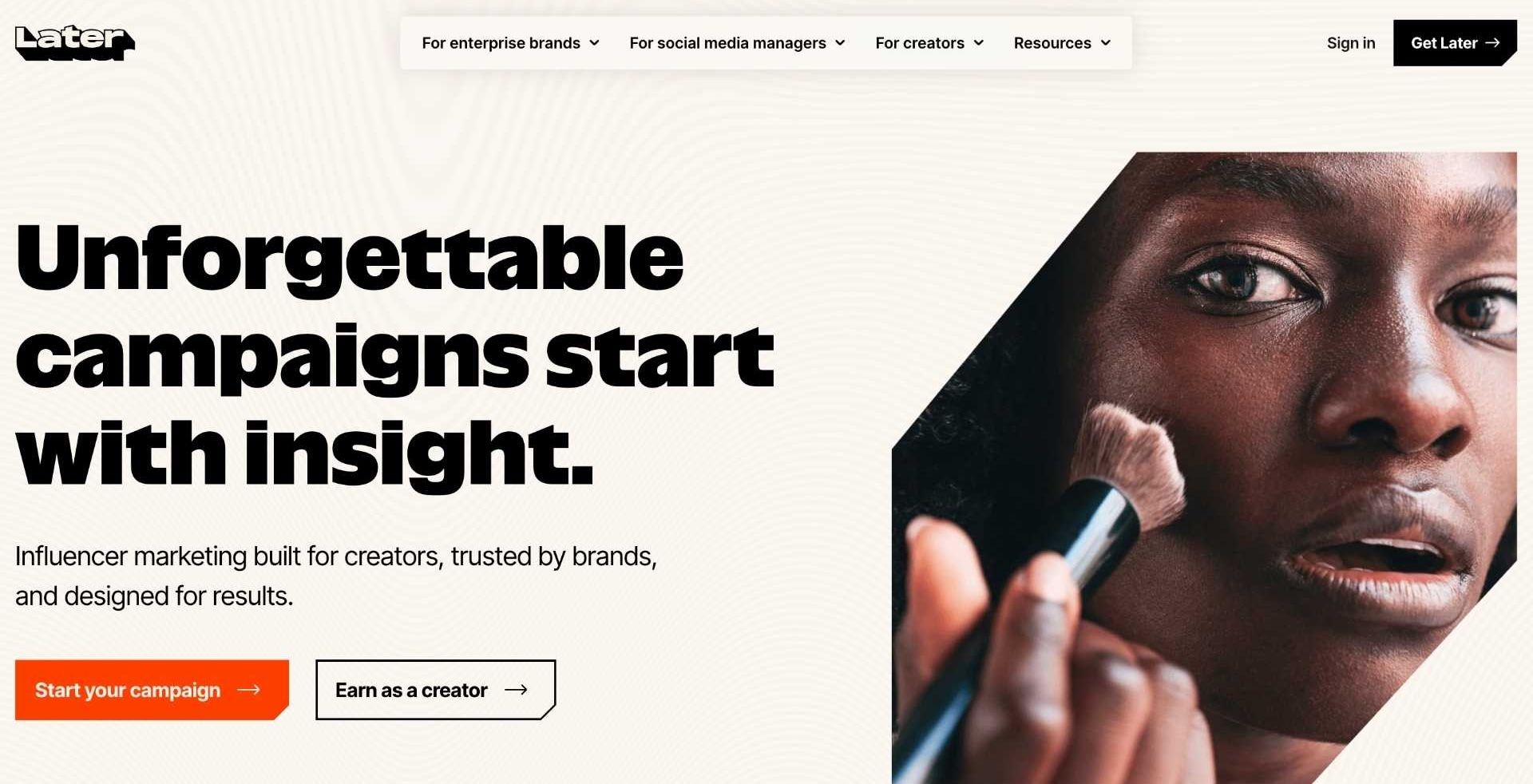
Later es ahora una plataforma de marketing social e influencers más amplia que combina gestión de medios sociales, software de marketing de influencers, soporte de campaña de servicio completo, escucha social, herramientas de comercio de Enlace en la Biografía y la red de afiliados Mavely bajo una marca. Desde la unificación de Mavrck y la adquisición de Mavely, Later se ha posicionado cada vez más como una "plataforma de ingresos sociales" en lugar de solo una herramienta de gestión de influencers.
Características Clave
- Gestión de campañas de influencers – Later Influence ayuda a marcas a encontrar creadores, evaluar compatibilidad de marca y riesgo, establecer tarifas, ejecutar campañas y rastrear ventas y ROI.
- Base de inteligencia de creadores grande ```– Later dice que analiza más de 16 millones de creadores en todas las plataformas, utilizando inteligencia de campañas y señales de datos de origen para apoyar la selección y planificación de creadores.
- Inteligencia predictiva con Later EdgeAI – EdgeAI es uno de los mayores impulsos recientes de productos de Later, utilizando escucha social, datos de Link in Bio, inteligencia de campañas y señales de comercio de creadores para guiar las decisiones de campañas.
- Informes empresariales con Later 360 – Later 360 es una capa de informes reciente que unifica datos orgánicos, de pago y de comercio para mostrar el impacto más amplio de los programas de influencers.
- Marketing de afiliados a través de Mavely – Later ahora integra Mavely en Later Influence para que las marcas puedan crear entregables de afiliados, enviar enlaces de creadores y rastrear el desempeño de afiliados dentro del mismo ecosistema.
- Workflows de regalos de Shopify y productos – Later ofrece integración con Shopify para regalos de productos, selección de creadores y seguimiento de campañas.
- Escucha social y monitoreo de salud de marca – Later posiciona su suite de datos de origen y escucha social como una entrada importante en la selección de creadores e inteligencia de campañas.
- Gestión de redes sociales en el mismo ecosistema – Una ventaja importante frente a muchas herramientas solo de influencers es que Later también incluye planificación de contenidos, publicación, analytics y herramientas de tráfico de Link in Bio.
Precios
La plataforma de marketing de influencers de Later (Later Influence) utiliza precios personalizados, y las marcas deben solicitar una demostración para conocer los costos exactos.
Según nuestra investigación, hay diferentes planes:
- Plan Essentials: Comienza en $28,500/año. Lo mejor para marcas que comienzan en marketing de influencers.
- Plan Pro: Comienza en $42,000/año. Lo mejor para datos y automatización para que sus campañas se ejecuten más rápido y logren un ROI mejor.
- Plan Premier: Comienza en $60,000/año. Todo lo que necesita para un programa de influencers escalado.
- Todos los planes incluyen una tarifa de incorporación única adicional de $5,000 para todos los clientes nuevos.
Reseñas
4.4 / 5.0 (Capterra)
Ventajas
- Posicionamiento de EdgeAI e inteligencia de desempeño
La historia actual del producto de Later es más predictiva y orientada al desempeño que su reputación anterior de ser simplemente una empresa de programación. - Modelo de entrega flexible
Ofrece a las marcas la opción de acceso a plataforma de autoservicio, soporte híbrido o servicios completos, lo que es útil para equipos con diferentes niveles de disponibilidad. - Informes sólidos y vinculación de comercio
Later combina la gestión de campañas de creadores con ventas, comercio social, reseñas e informes de una manera que atrae a marcas enfocadas en resultados medibles.
Desventajas
- Sin transparencia de precios públicos
Los compradores tienen que pasar por ventas para entender los costos, lo que dificulta la comparación rápida. - Algunas quejas técnicas y de flujo de trabajo
La retroalimentación de usuarios aún menciona fallos técnicos, fricción en la gestión de creadores y complejidad para equipos nuevos. - El mejor ajuste se inclina hacia el mercado medio a empresas
Sus paquetes más fuertes de marketing de influencers no están realmente posicionados como herramientas livianas y económicas para iniciarse.
Integraciones
- Shopify – Automatice regalos de productos, selección de creadores, códigos promocionales y seguimiento de campañas a través de su tienda Shopify.
- Looker – Extraiga datos de la API de informes de Later Influence en dashboards personalizados para análisis de campañas y creadores.
- Microsoft Power BI – Exporte datos de informes de Later en dashboards de BI para informes internos de desempeño.
- Tableau – Utilice la API de informes para analizar métricas de creadores y campañas en Tableau.
- SAP Analytics Cloud / Oracle Analytics Cloud – Conecte datos de campañas y creadores a entornos de analytics empresariales para informes más amplios.
Social Native vs Later
Social Native se especializa más en sourcing de UGC, licenciamiento y activación de contenido de creadores en ecommerce y medios de pago. Later es más amplio como plataforma de marketing, con mayor superposición entre campañas de influencers, comercio social, escucha social, informes y servicios gestionados.
Si principalmente desea contenido de creadores para alimentar anuncios, páginas de productos y experiencias comprables, Social Native sigue siendo la opción más enfocada. Si desea una mayor combinación de inteligencia de campañas, soporte de servicios, operaciones de creadores, comercio social e informes dentro de un ecosistema de marketing social más amplio, Later es la alternativa más sólida.

IZEA
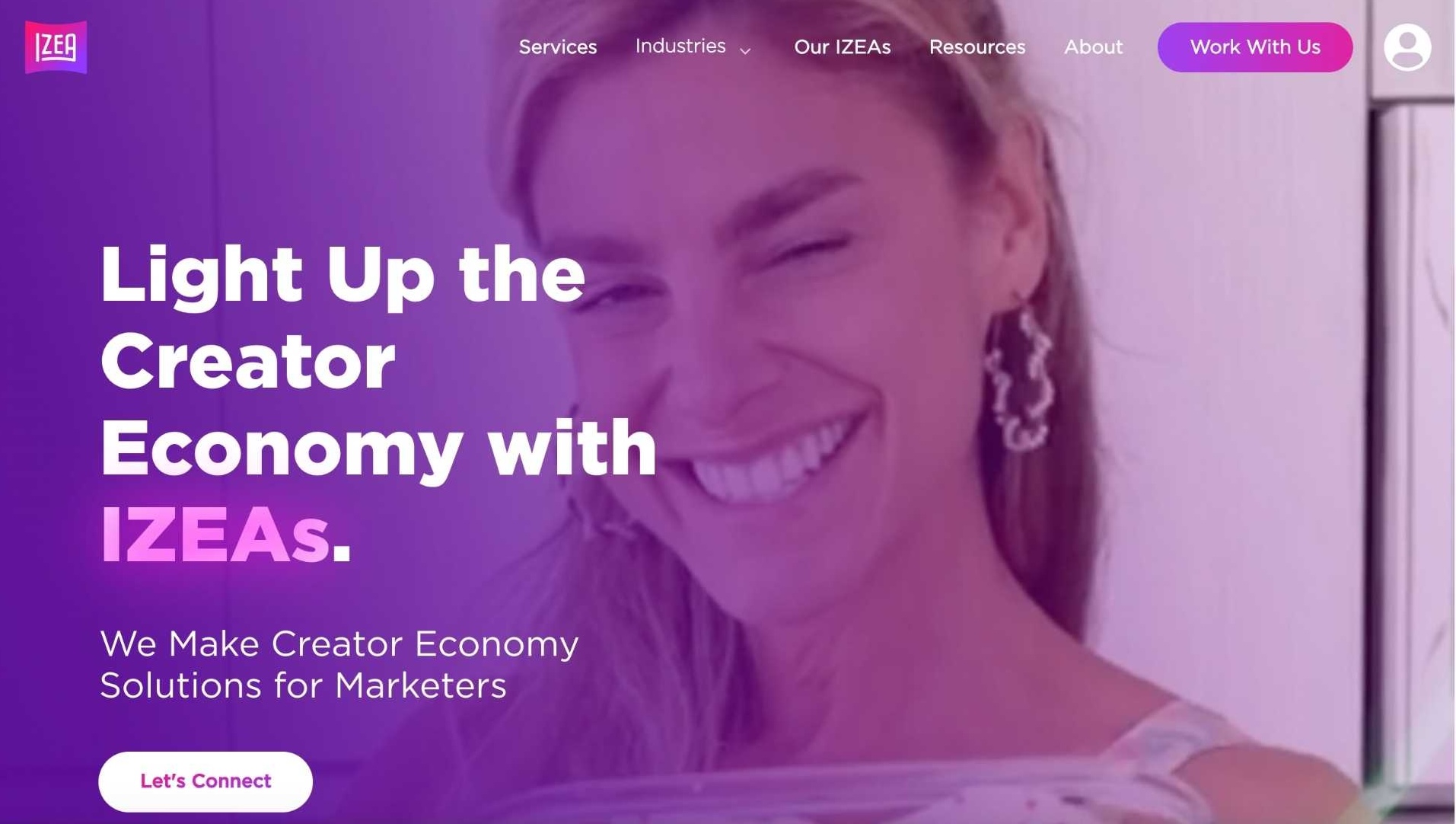
IZEA es una de las plataformas de influencer marketing más antiguas, que ofrece una combinación de descubrimiento de creadores, gestión de campañas y un mercado de creadores integrado. Se posiciona a sí misma como una plataforma de software y una red de creadores, permitiendo a las marcas ejecutar campañas de influencers, encargar contenido y gestionar relaciones con creadores a escala.
Funciones clave
- IZEA Marketplace (contratación directa de creadores)
Un mercado nativo donde las marcas pueden publicar campañas, explorar creadores y contratar directamente a influencers para contenido patrocinado o entregas de UGC. - Descubrimiento y búsqueda de influencers
Incluye filtros para datos demográficos de la audiencia, participación, plataforma y tipo de contenido, junto con perfiles de creadores que muestran el desempeño histórico. - Flujos de trabajo de gestión de campañas
Las marcas pueden crear campañas, asignar entregas, gestionar aprobaciones y realizar un seguimiento de cronogramas desde un único panel de control. - Colaboración de contenido y aprobaciones
Proporciona flujos de trabajo estructurados para la presentación de contenido, revisiones y aprobaciones, garantizando coherencia de marca en todas las campañas. - Pagos y contratos automatizados
IZEA gestiona pagos de creadores, contratos y facturación dentro de la plataforma, simplificando operaciones financieras. - Seguimiento del desempeño e informes
Realiza un seguimiento de métricas de campañas como participación, alcance, impresiones y desempeño de contenido. - Flex (solución empresarial)
IZEA Flex ofrece una solución más avanzada para grandes marcas, incluyendo análisis más profundos, personalización de flujos de trabajo e informes empresariales. - UGC y licencia de contenido
Las marcas pueden licenciar contenido de creadores y reutilizarlo en anuncios, sitios web y canales sociales.
Precios
- Plan Starter: comienza en $130/mes.
- Plan Power: comienza en $500/mes.
- Prueba gratuita: 10 días.
- Servicios gestionados: precios personalizados basados en propuesta para campañas totalmente gestionadas.
Reseñas
3.9/ 5.0 (G2)
Ventajas
- Modelo dual de mercado + SaaS
IZEA combina únicamente un mercado de creadores de autoservicio con software empresarial, permitiendo a las marcas elegir entre campañas transaccionales o gestión de programas a largo plazo. - Pagos y contratación integrados
El manejo nativo de pagos y contratos reduce la complejidad operativa en comparación con plataformas que requieren herramientas externas. - Sólidas capacidades de licencia de UGC
IZEA facilita la reutilización legal de contenido de creadores en canales de marketing, lo cual es cada vez más importante para medios pagos.
Desventajas
- El descubrimiento puede parecer menos avanzado que las plataformas más nuevas
El filtrado y las recomendaciones basadas en IA no son tan sofisticados como algunos competidores más nuevos. - La experiencia de interfaz y flujo de trabajo puede parecer desactualizada
Algunos usuarios encuentran la interfaz menos intuitiva en comparación con herramientas SaaS más nuevas. - Transparencia limitada en precios empresariales
Requiere conversaciones con ventas, especialmente para Flex.
Integraciones
- Shopify – Conecta campañas de influencers al desempeño del comercio electrónico y realiza un seguimiento del impacto en ventas.
- Google Analytics – Mide el tráfico y la atribución de campañas en todos los canales.
- Facebook / Instagram – Sincroniza datos de desempeño de campañas y gestiona flujos de trabajo de contenido social.
- YouTube – Realiza un seguimiento del desempeño de campañas de video y métricas de creadores.
- Stripe / Sistemas de pago – Gestiona pagos de creadores y flujos de trabajo financieros dentro de campañas.
Social Native vs IZEA
Social Native se enfoca más estrictamente en adquisición de UGC, licencia y conversión de activos de creadores en contenido de medios pagos y comercio electrónico. IZEA es más amplio, con una mezcla más fuerte de servicios gestionados, flujos de trabajo de mercado de creadores, generación de contenido asistida por IA y soporte de campañas de servicio completo.
```Para marcas que desean principalmente contenido de creadores para impulsar el comercio y los anuncios, Social Native se siente más especializada. Para marcas que desean un híbrido de software, acceso a marketplace y soporte de estilo agencia, IZEA es la opción más flexible.
Traackr
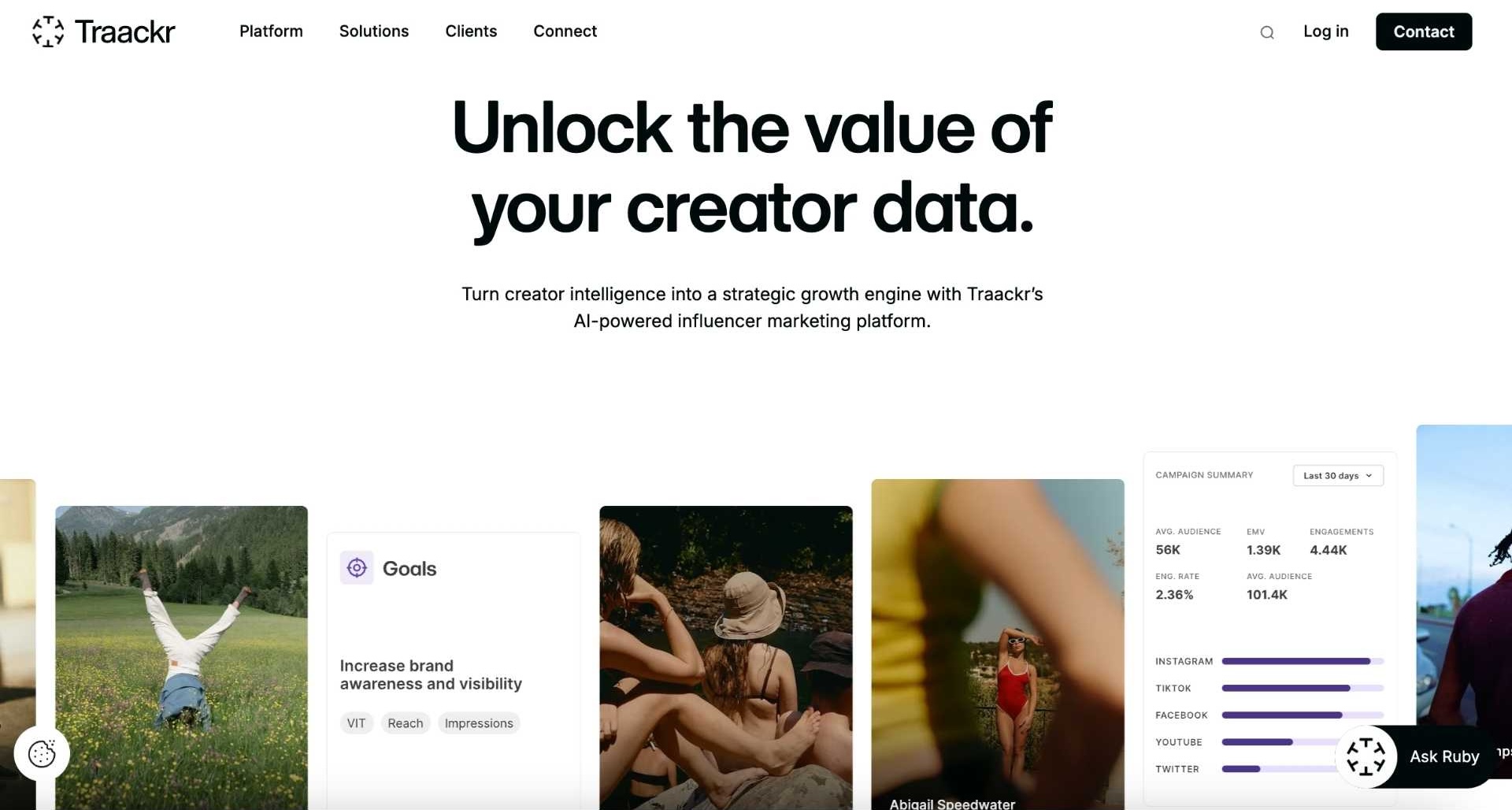
Traackr es una plataforma empresarial de influencer marketing enfocada en la toma de decisiones impulsada por datos, la gestión de relaciones con influencers y el benchmarking de rendimiento. Es particularmente conocida por su profundidad analítica y su capacidad para medir el impacto de los influencers en campañas globales.
Funciones clave
- Descubrimiento avanzado de influencers y segmentación
Permite a las marcas encontrar influencers utilizando información profunda de audiencia, afinidad de marca y análisis de contenido. - Gestión de relaciones (IRM)
Se enfoca en el seguimiento de relaciones con influencers a largo plazo, incluidas colaboraciones anteriores, historial de participación y rendimiento. - Benchmarking competitivo
Una de las fortalezas principales de Traackr: las marcas pueden comparar su rendimiento de influencers contra competidores. - Gestión y seguimiento de campañas
Admite planificación, ejecución y monitoreo de rendimiento de campañas en múltiples mercados. - Analytics de ROI y rendimiento
Rastrea participación, alcance, participación de voz y ROI con dashboards de informes detallados. - Base de datos global de influencers
Cubre múltiples plataformas y regiones, lo que la hace adecuada para campañas internacionales. - Herramientas de seguridad de marca y cumplimiento
Incluye características para garantizar que el contenido del influencer se alinee con las directrices de la marca.
Precios
- Precios oficiales: personalizado / solicitar cotización.
- Referencia pública: los precios comienzan alrededor de $32,500/año para un plan estándar, con módulos adicionales disponibles bajo solicitud.
- Tipo de contrato: generalmente contratos empresariales anuales.
Reseñas
4.3 / 5.0 (G2)
Ventajas
- Capacidades de benchmarking de clase mundial
Traackr destaca por permitir que las marcas comparen el rendimiento de influencers contra competidores y benchmarks industriales. - Enfoque sólido en la gestión de relaciones
Diseñado para programas de influencers a largo plazo en lugar de campañas puntuales. - Escalabilidad de campañas globales
Bien adaptado para marcas que ejecutan estrategias de influencers en múltiples mercados.
Desventajas
- Alto costo y posicionamiento empresarial
No es ideal para marcas pequeñas o medianas. - Incorporación y configuración complejas
Requiere tiempo y capacitación para utilizar completamente. - Enfoque limitado en flujos de trabajo UGC
Menos optimizado para producción de contenido en comparación con plataformas más nuevas.
Integraciones
- Google Analytics – Conecte campañas de influencers con el rendimiento del sitio y la atribución.
- Salesforce – Sincronice datos de influencers con sistemas CRM para flujos de trabajo empresariales.
- Adobe Analytics – Mejore los informes con integración de analytics avanzada.
- Plataformas sociales (Instagram, TikTok, YouTube) – Extraiga datos de campañas y métricas de rendimiento.
- Herramientas de visualización de datos – Exporte datos de campañas a herramientas BI para análisis más profundo.
Social Native vs Traackr
Social Native es más orientado al contenido, con mayor énfasis en licencias UGC, activación de contenido y reutilización de activos orientada al comercio. Traackr es más orientado a la medición, con benchmarking más profundo, planificación de presupuesto y analytics empresarial para marcas que desean cuantificar el rendimiento de influencers a nivel de mercado.
Si el objetivo es escalar contenido de creadores en canales pagos y propios, Social Native tiene la ventaja. Si el objetivo es hacer benchmarking de ROI, eficiencia de gasto y rendimiento del programa de creadores en equipos y mercados, Traackr es la opción más sólida.
Influencity
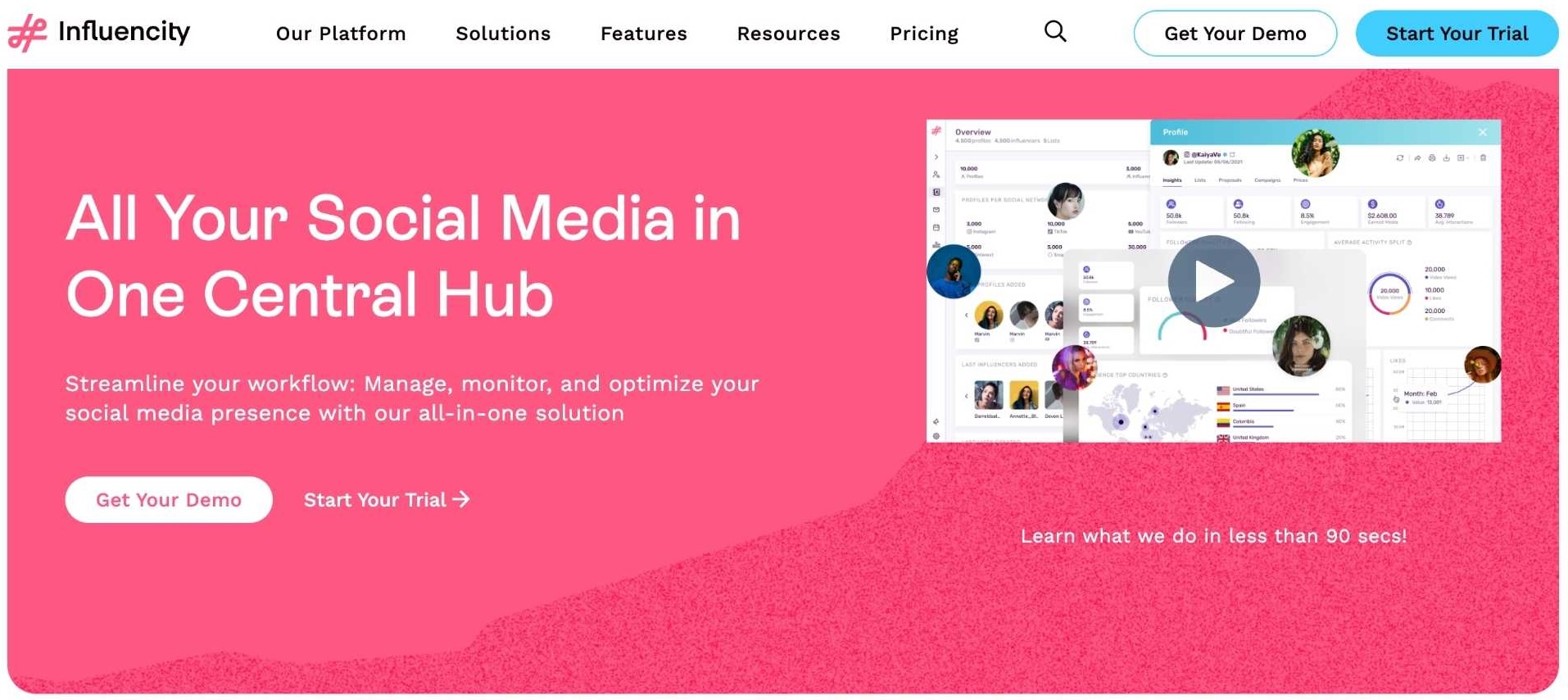
Influencity es una plataforma de marketing de influencers basada en datos enfocada en descubrimiento, análisis y gestión de campañas. Está diseñada para marcas que desean sólidas capacidades de filtrado e información detallada de audiencia sin la complejidad de herramientas empresariales pesadas.
Funciones principales
- Filtros avanzados de búsqueda de influencers
Filtre creadores por demografía de audiencia, tasa de engagement, ubicación, intereses y autenticidad. - Análisis e información de audiencia
Proporciona desgloses detallados de demografía de seguidores, intereses y comportamiento. - Herramientas de gestión de campañas
Gestione la difusión, realice un seguimiento de los entregables y supervise el progreso de la campaña. - Gestión de relaciones con influencers
Almacene y organice datos de influencers con funcionalidad similar a CRM. - Seguimiento de desempeño e informes
Mida el éxito de la campaña con métricas de engagement, alcance y ROI. - Descubrimiento de influencers similares
Identifique creadores similares basados en perfiles seleccionados. - Detección de seguidores falsos
Ayuda a garantizar la autenticidad y reducir el fraude de influencers.
Precios
Influencity ofrece tres planes de precios principales, junto con complementos:
- Plan Professional: $318/mes o $3,816/año
- Plan Business: $798/mes o $9,576/año
- Plan Enterprise: Precios personalizados
- Complemento Auto-Tracker: $660/año (para 50 influencers)
Reseñas
4.3 / 5.0 (G2)
Ventajas
- Capacidades de filtrado altamente granulares
Influencity ofrece algunos de los filtros de búsqueda más detallados disponibles para orientación precisa de influencers. - Análisis de audiencia sólido
Proporciona información profunda sobre demografía de seguidores y autenticidad. - Precios accesibles en comparación con herramientas empresariales
Más asequible para equipos medianos.
Desventajas
- Automatización limitada de difusión comparada con competidores
No es tan sólido en flujos de trabajo automatizados. - La interfaz puede parecer pesada en datos para principiantes
Puede requerir tiempo para navegar de manera efectiva. - Menos integraciones comparadas con plataformas más grandes
El ecosistema es más limitado.
Integraciones
- Shopify – Conecte flujos de trabajo de comercio electrónico para gifting, códigos de descuento y atribución de ventas.
- Gmail – Vincule su bandeja de entrada para gestionar la difusión a influencers desde dentro de la plataforma.
- Office 365 / Outlook – Sincronice cuentas de correo electrónico de Microsoft para comunicación y seguimiento de creadores.
- TikTok – Utilice Influencity en búsqueda de creadores de TikTok, planificación de campañas e informes de desempeño.
- Instagram / YouTube / Twitch – Ejecute descubrimiento de creadores y medición de campañas en sus canales sociales compatibles.
Social Native vs Influencity
Social Native es más especializado en obtención, concesión de licencias y activación de contenido de creadores en canales pagos y de comercio electrónico. Influencity es más amplio como plataforma de operaciones, combinando flujos de trabajo de creadores con gestión social y escucha, mientras también ofrece a las marcas mucha más flexibilidad de facturación.
Las marcas que desean un motor de contenido y un flujo de trabajo de activación de UGC pueden preferir Social Native. Las marcas que desean una herramienta de extremo a extremo más flexible sin contratos anuales obligatorios pueden encontrar Influencity más atractivo.
Heepsy

Heepsy es una plataforma de marketing de influencers enfocada en descubrimiento, difusión y seguimiento de campañas, con un fuerte énfasis en facilidad de uso y asequibilidad. Es particularmente popular entre marcas de comercio electrónico pequeñas y medianas.
Funciones principales
- Base de datos masiva de influencers (50M+)
Proporciona acceso a un gran grupo global de influencers en múltiples plataformas. - Filtrado y búsqueda avanzados
Filtre por nicho, ubicación, tasa de engagement, demografía de audiencia y autenticidad. -
```Fake follower detection
Incluye puntuación de autenticidad para identificar seguidores falsos y garantizar la calidad de la campaña. - Outreach and email automation
Envíe correos electrónicos masivos, gestione respuestas y realice un seguimiento del progreso de alcance. - CRM-style campaign pipeline
Canalización visual para rastrear etapas de campañas desde alcance hasta pago. - Campaign tracking and reporting
Supervise el compromiso, el desempeño del contenido y las métricas de campaña. - Shopify integration for sales tracking
Rastreé conversiones e ingresos de campañas de influencers (plan Advanced).
Precios
- Free — acceso gratuito limitado disponible.
- Starter — referencias recientes del blog oficial de Heepsy sitúan Starter en $89/mes.
- Plus — referencias recientes del blog oficial de Heepsy sitúan Plus en $249/mes.
- Advanced — referencias recientes del blog oficial de Heepsy sitúan Advanced en $369/mes.
- Heepsy también indica que los usuarios pueden elegir facturación mensual o anual, con suscripciones anuales con descuento respecto a las tarifas mensuales.
Reseñas
4.5 / 5.0 (G2)
Ventajas
- Precios asequibles y accesibles
Una de las plataformas de influencers más económicas con características principales sólidas. - Herramientas de descubrimiento y filtrado sólidas
Permite segmentación precisa de influencers en nichos y geografías. - Interfaz simple e intuitiva
Fácil de adoptar rápidamente para equipos pequeños.
Desventajas
- Funciones avanzadas bloqueadas tras planes superiores
El seguimiento de ventas y las integraciones requieren el plan Advanced. - Capacidades limitadas de IA y automatización
Carece de flujos de trabajo impulsados por IA avanzada. - La detección de seguidores falsos no es completamente precisa
Se basa en estimaciones en lugar de datos exactos.
Integraciones
- Shopify – Rastreé ventas y conversiones impulsadas por influencers.
- Email tools – Gestione campañas de alcance y comunicación.
- Instagram / TikTok APIs – Acceda a datos y métricas de influencers.
- CSV exports – Exporte datos de influencers para uso externo.
- Campaign tracking tools – Supervise métricas de desempeño en campañas.
Social Native vs Heepsy
Social Native es más avanzado para licencias UGC, activación de contenido y operaciones empresariales de creadores-contenido. Heepsy es mucho más ligero y más accesible, con mayor atractivo para equipos pequeños que principalmente desean descubrimiento asequible, alcance y seguimiento de campañas vinculado a Shopify.
Si el objetivo es escalar contenido de creadores en medios pagados y experiencias de comercio electrónico, Social Native es la plataforma más sólida. Si el objetivo es encontrar y contactar creadores rápidamente sin un gran compromiso de software, Heepsy es el punto de entrada más fácil.
Lefty
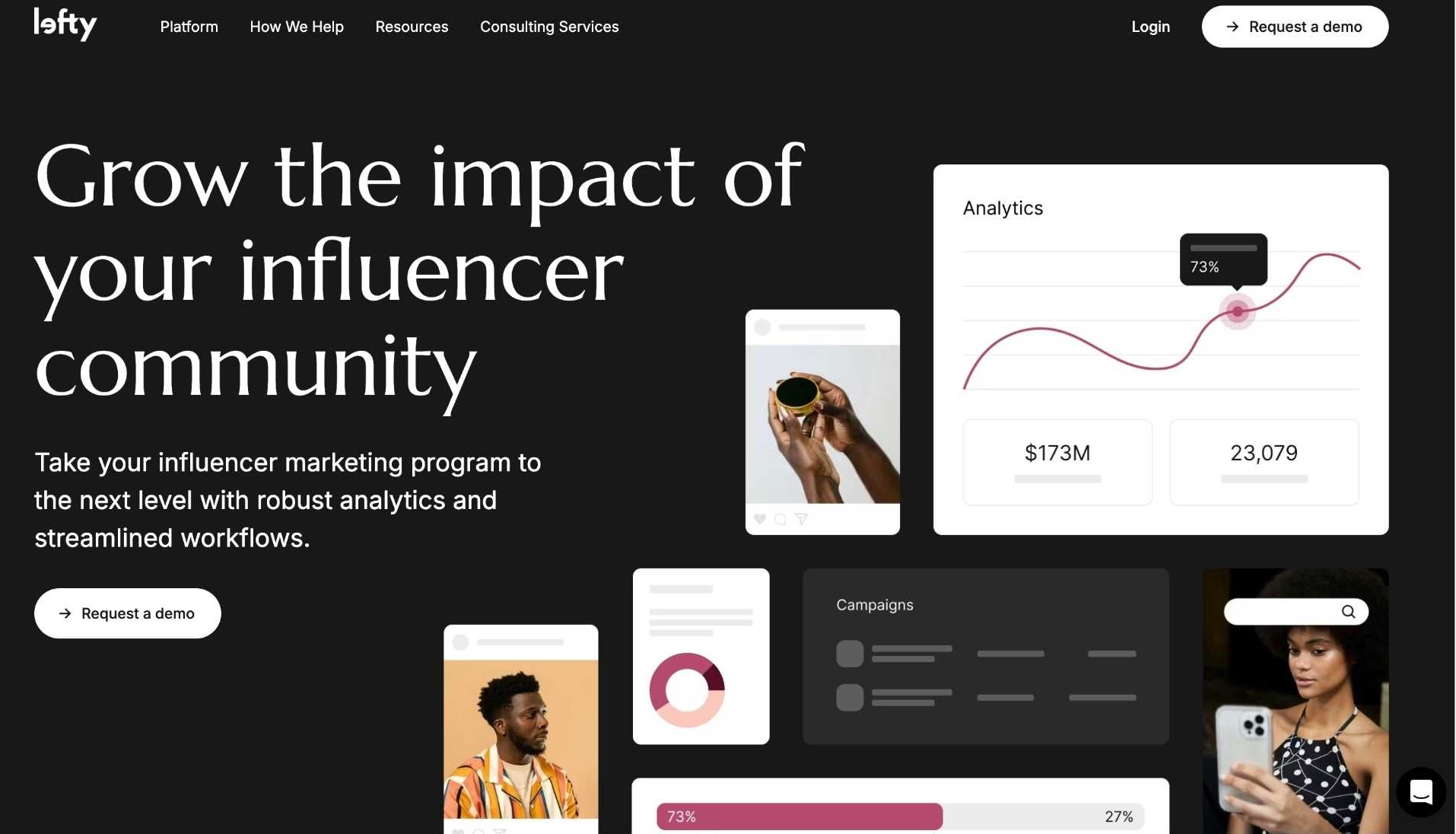
Lefty es una plataforma de marketing de influencers diseñada para marcas y agencias que desean descubrimiento, gestión de campañas y seguimiento de desempeño con un fuerte énfasis en datos y alcance global. A menudo se posiciona como una solución de nivel intermedio a empresarial con enfoque en escalabilidad.
Características principales
- Base de datos global de influencers
Acceda a un amplio grupo de creadores en múltiples plataformas y regiones. - Búsqueda avanzada y filtrado
Filtre influencers por demografía de audiencia, compromiso y tipo de contenido. - Herramientas de gestión de campañas
Planifique, ejecute y rastreé campañas desde un panel de control. - Análisis de desempeño e informes
Rastreé compromiso, alcance, impresiones y ROI. - Gestión de relaciones con influencers
Gestione asociaciones de creadores a largo plazo y rastreé historial de colaboración. - Seguimiento y monitoreo de contenido
Rastreé automáticamente publicaciones, menciones e hitos de campañas. - Información competitiva
Analice estrategias de influencers de competidores y desempeño de campañas.
Precios
- Precio inicial: ~€590 por mes.
- ```html Plan Pro: ~€990/mes, incluye 2 usuarios, 5 campañas e informes ilimitados.
- Plan Premium: ~€1,690/mes, que añade un gestor dedicado.
- Plan Premium+: ~€3,490/mes para 10 usuarios y 25 campañas.
Reseñas
4,7/5,0 (G2)
Ventajas
- Capacidades sólidas de campañas globales
Adecuado para marcas que ejecutan programas de influencer marketing en múltiples mercados. - Analytics e informes exhaustivos
Ofrece información detallada sobre el desempeño de las campañas. - Conjunto de funciones equilibrado entre descubrimiento y gestión
Cubre todo el ciclo de vida del influencer marketing.
Desventajas
- Transparencia de precios limitada
Requiere participación del equipo de ventas para comprender los costos. - No es tan fuerte en flujos de trabajo de UGC
Menor enfoque en la producción de contenido comparado con plataformas más nuevas. - Puede ser complejo para equipos más pequeños
Mejor adaptado para agencias o marcas más grandes.
Integraciones
- Shopify – Sincronice inventario, envíe regalos y realice un seguimiento de la siembra de productos directamente desde su tienda.
- Salesforce Commerce Cloud – Conecte datos de productos y ejecute flujos de trabajo de gifting de influencer o afiliados sin hojas de cálculo manuales.
- Magento – Conecte su tienda Magento a Lefty para inventario, solicitudes de productos y operaciones de gifting.
- Stripe – Gestione pagos de creadores a nivel mundial a través de la integración nativa de Stripe de Lefty.
- Gmail / Outlook – Conecte cuentas de correo electrónico para ejecutar y realizar un seguimiento de la comunicación con influencers desde dentro de Lefty.
Social Native vs Lefty
Social Native se enfoca más en el abastecimiento de UGC, licencias y activación de contenido en medios pagados y comercio electrónico. Lefty está más orientado a analytics y flujos de trabajo para marcas lifestyle, con un énfasis más fuerte en pronósticos, visibilidad de CRM, siembra de productos e informes de comercio social.
Para marcas que desean contenido de creadores como activo de comercio reutilizable, Social Native es el ajuste más directo. Para equipos de moda, belleza y lujo que desean un seguimiento de rendimiento más sólido y operaciones de influencer marketing conectadas al comercio electrónico, Lefty es una alternativa convincente.
Reflexiones Finales
Elegir la alternativa correcta a Social Native en última instancia depende de sus prioridades—ya sea producción de contenido, relaciones con influencers, integración de comercio electrónico o seguimiento de rendimiento. Plataformas como Influencer Hero, Upfluence y Aspire se inclinan hacia flujos de trabajo impulsados por CRM e ingresos, mientras que CreatorIQ y Traackr se enfocan en analytics y gobernanza a escala empresarial. Mientras tanto, herramientas como Heepsy e Influencity ofrecen puntos de entrada más flexibles y accesibles, y plataformas como IZEA y Later combinan software con servicios gestionados. Social Native destaca por su enfoque centrado en contenido e impulsado por UGC, pero las marcas que buscan capacidades de CRM más profundas, flexibilidad de precios o analytics avanzados pueden encontrar una alineación más sólida con una de estas alternativas según sus objetivos específicos.
.png)


.jpg)