

10 beste Popular Pays Alternativen für Influencer Marketing
Die Verwaltung von Influencer Marketing im großen Maßstab ist zu einem zentralen Wachstumsfaktor für D2C-Marken geworden, weshalb Influencer-Marketing-Software unverzichtbar ist, um Creator Discovery, Outreach, Campaign Workflows und Performance Tracking an einem Ort zu handhaben. Popular Pays ist eine bekannte Plattform in diesem Bereich, besonders für Marken, die sich auf UGC-Produktion und Creator-Zusammenarbeit konzentrieren, bringt aber Kompromisse mit sich, wie begrenzte Preistransparenz, einen eher US-zentrierten Creator-Pool, gelegentliche Workflow-Friktionen und Schwierigkeiten bei der Suche nach Nischen-Creatorn. Daher erkunden viele Teams Popular Pays Alternativen, die bessere eCommerce-Integrationen, stärkere Automatisierung oder fortgeschrittenere Analytics bieten. Ob Sie Tools zum ersten Mal bewerten oder zu einer anderen Plattform wechseln möchten – das Verständnis dafür, wie sich diese Lösungen unterscheiden, ist entscheidend für die Auswahl der richtigen Lösung für Ihre Wachstumsstrategie.
In diesem Artikel vergleichen wir die 10 besten Popular Pays Alternativen, einschließlich Influencer Hero, Upfluence, Aspire, CreatorIQ, Later, IZEA, Traackr, Influencity, Heepsy und Lefty.
Schlüsselkriterien zur Bewertung von Influencer-Marketing-Plattformen
Kernfunktionen
Bewertung wesentlicher Influencer-Marketing-Funktionen, einschließlich Influencer Discovery, Outreach, CRM, Campaign Management, Reporting und Content Workflows.
Preisgestaltung & Flexibilität
Vergleich von Preismodellen, Abonnementplänen und Vertragsbedingungen, um unterschiedliche Budgets und Wachstumsphasen zu berücksichtigen.
Kundenbewertungen & Zufriedenheit
Analyse von Benutzerfeedback von vertrauenswürdigen Bewertungsplattformen, mit Fokus auf Benutzerfreundlichkeit, Zuverlässigkeit, Kundensupport und Gesamtleistung.
Vorteile & Nachteile
Übersicht der Stärken und Schwächen jeder Plattform, um hervorzuheben, wo sie gut funktioniert und wo sie je nach Anwendungsfall Schwächen aufweisen kann.
Integrationen
Übersicht der wichtigsten Integrationen (z.B. Shopify und andere Tech-Tools), mit Hervorhebung dessen, was jede Integration in einem Satz ermöglicht.
Popular Pays Übersicht
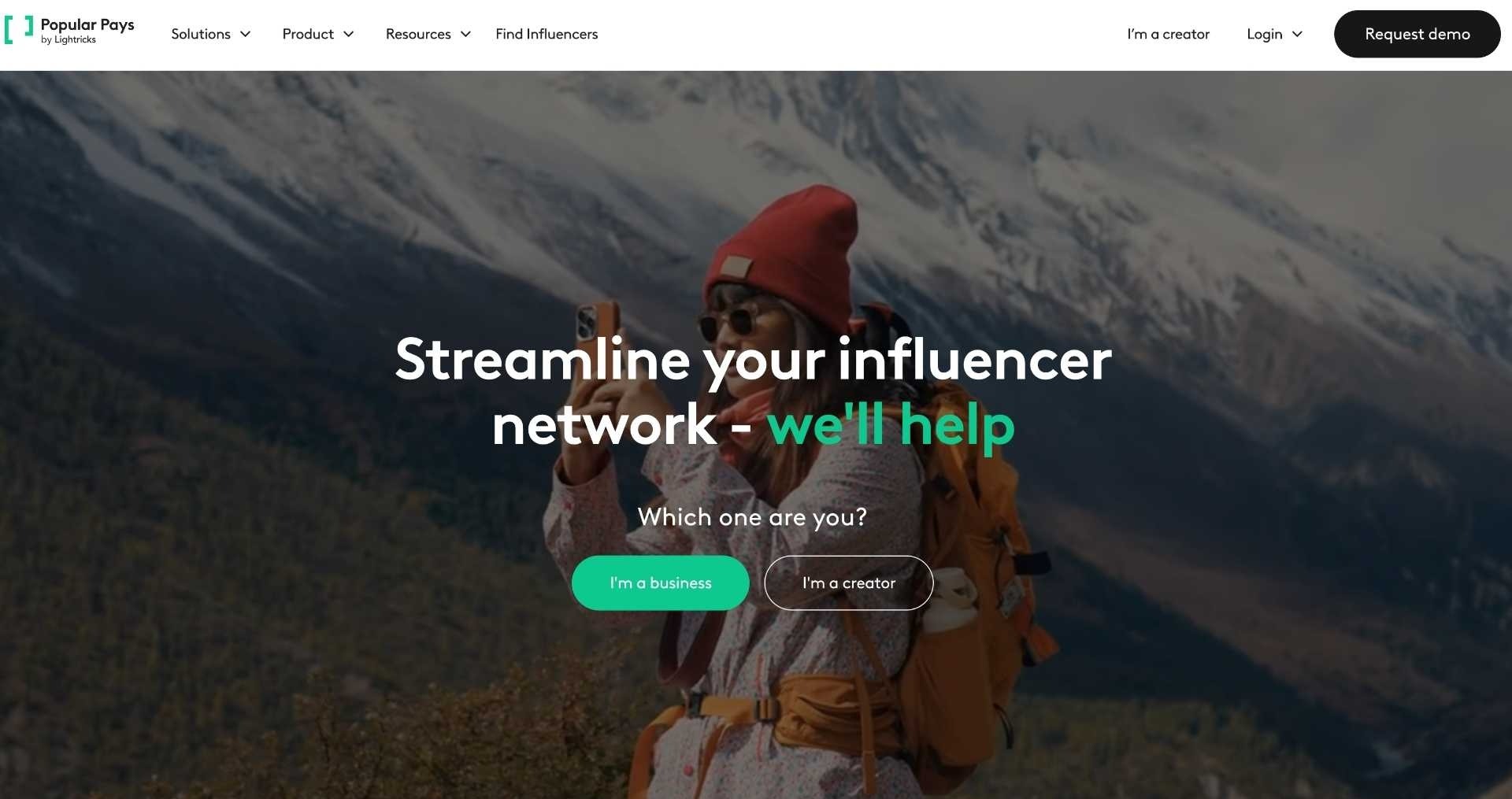
Popular Pays ist eine Influencer-Marketing- und Content-Collaboration-Plattform, die Lightricks gehört. Sie ist darauf ausgelegt, Marken bei der Creator Discovery zu unterstützen, Influencer-Kampagnen zu verwalten und skalierbare User-Generated Content (UGC) von einer einzigen Plattform aus zu produzieren. Popular Pays ist als Hybrid zwischen einem Creator Marketplace und einem Campaign-Management-Tool positioniert und konzentriert sich besonders darauf, Marken die Optimierung der Content-Produktion zu ermöglichen und dabei die Kontrolle über Brand Safety, Genehmigungen und Performance Tracking zu bewahren.
Kernfunktionen
- Creator Marketplace (160K+ geprüfte Creator)
Popular Pays bietet Zugang zu einem großen, kurierten Creator-Netzwerk, das Marken ermöglicht, Creator basierend auf Zielgruppen-Fit, Nische und bisheriger Content-Performance zu entdecken. - Fortgeschrittene Influencer Discovery & Matching
Umfasst Filter-, Such- und Lookalike-Funktionen, um Creator zu identifizieren, die ähnlich wie top-performing Profile sind oder mit spezifischen Campaign-Zielen übereinstimmen. - Campaign Briefing & Workflow Management
Marken können Campaign Briefs erstellen, Genehmigungen verwalten, Lieferumfänge zuweisen und Fortschritt durch strukturierte Workflows verfolgen – was die Abhängigkeit von Spreadsheets und manueller Koordination reduziert. - Creator Communication & Collaboration Tools
Eingebautes Messaging (über Threads) ermöglicht Teams, mit Creatorn zu kommunizieren, Änderungen anzufordern, Zeitpläne zu verwalten und alle Zusammenarbeit an einem Ort zu zentralisieren. - Content Library & Asset Management
Alle genehmigten Creator-Inhalte werden in einer zentralisierten Bibliothek gespeichert, was es einfach macht, Assets über Paid Ads, Social Media und eCommerce-Kanäle erneut zu verwenden. - Performance Tracking & Analytics
Bietet Reporting auf Campaign-, Creator- und Post-Ebene, einschließlich Engagement, Reach und allgemeiner Campaign-Performance-Metriken. - Shopify Integration für Conversion Tracking
Ermöglicht Marken, Creatorn eindeutige Discount Codes zuzuweisen und Conversions, Revenue und durch Influencer getriebene Verkäufe direkt zu verfolgen. - AI-Powered Brand Safety (SafeCollab)
```Ein KI-Tool, das die historischen Inhalte von Creatorn über Video, Audio und Text scannt, um potenzielle Brand-Safety-Risiken vor einer Zusammenarbeit zu kennzeichnen. - KI-Tools für Briefing und Content-Bearbeitung
Funktionen wie BriefAI helfen dabei, schnell Kampfen-Briefs zu erstellen, während AI Studio Content-Bearbeitung (z. B. Hintergrund- oder Styling-Anpassungen) im großen Maßstab ermöglicht. - Multi-Plattform-Kampagnenunterstützung
Unterstützt große Social-Media-Plattformen wie Instagram, TikTok, YouTube und Facebook mit erweiterte Unterstützung für die Content-Verteilung über Kanäle wie Pinterest und Amazon.
Preise
Popular Pays listet keine vollständige Preisstruktur auf seiner Website auf, und die meisten Pläne werden je nach Brand-Anforderungen individuell angeboten.
- Pro-Plan: Beginnt bei ungefähr 999 USD/Monat
- Custom / Enterprise-Pläne: Preise auf Anfrage verfügbar
- Kostenlose Testversion: Verfügbar (basierend auf Drittanbieter-Auflistungen)
- Vertragsbedingungen: Nicht eindeutig öffentlich offengelegt (wahrscheinlich variiert je nach Plan)
Insgesamt ist die Preistransparenz begrenzt im Vergleich zu vielen Konkurrenten, was es kleineren Teams schwerer macht, die Kosten im Voraus zu bewerten.
Bewertungen
4,4 / 5,0 (G2)
Integrationen
- Shopify – Verfolgen Sie influencer-getriebene Verkäufe, weisen Sie Rabattcodes zu und messen Sie ROI direkt aus Ihrem E-Commerce-Shop.
- TikTok Creator Marketplace – Greifen Sie auf plattformspezifische Creator-Daten zu und verwalten Sie TikTok-Kampagnen effizienter.
- Facebook Ads Manager – Verbinden Sie die Performance von bezahlter Medien mit Influencer-Kampagnen für bessere Attribution.
- Amazon – Veröffentlichen und nutzen Sie Influencer-Content erneut zur Unterstützung von Produktlisten und zur Verbesserung der Konversation.
- Pinterest – Verteilen Sie genehmigte Inhalte auf Pinterest, um Reichweite und Discovery zu erweitern.
Vorteile
- Starke KI-Investition (SafeCollab + BriefAI)
Popular Pays zeichnet sich durch seine KI-gestützte Brand-Safety und Campaign-Briefing-Tools aus, die Teams dabei helfen, manuelle Überprüfungen zu reduzieren und die Kampagnen-Einrichtung zu beschleunigen. - Optimiert für skalierbare UGC-Produktion
Die Plattform ist nicht nur für Influencer-Outreach gedacht – sie ist optimiert zum Generieren, Verwalten und Wiederverwenden großer Mengen von Creator-Content über Kanäle hinweg. - Multi-Channel-Content-Aktivierung
Integrationen mit Shopify, Meta, TikTok und Amazon machen es einfacher, Influencer-Content in umsatzsteigernde Assets über organische Posts hinaus zu verwandeln.
Häufige Nachteile von Popular Pays
Begrenzte Preistransparenz
Der Mangel an klaren Preistierung macht es für Teams schwierig, Kosten zu vergleichen oder die Eignung zu bestimmen, ohne einen Verkaufsprozess durchzuführen.
Geografische Einschränkungen bei der Creator-Erkennung
Einige Funktionen sind stärker für in den USA ansässige Creator optimiert, was die Effektivität bei globalen Influencer-Kampagnen einschränken kann.
Content-Einreichungs- und Plattform-Usability-Probleme
Benutzer berichten gelegentlich von Reibung bei Content-Uploads und Creator-seitiger Plattformerfahrung, die die Kampagnen-Ausführung verlangsamen kann.
Inkonsistente Creator-Qualität in Nischen-Kampagnen
Obwohl der Marktplatz groß ist, kann das Finden von hochspezifischen oder Nischen-Creatorn zusätzliche manuelle Filterung und Outreach erfordern.
Beste Alternativen zu Popular Pays
| TOOL | BEWERTUNGEN | AM BESTEN FÜR | TESTVERSION INFO | PREISE | ||
|---|---|---|---|---|---|---|
1 |

|
⭐ | Influencer-CRM und Automatisierung | Demo buchen | Preise | Website |
2 |

|
```html ⭐ | Influencer-Discovery | Demo buchen | Preise | Website |
3 |

|
⭐ | Influencer-Partnerschaften | Demo buchen | Preise | Website |
4 |

|
⭐ | Enterprise-Influencer-Marketing | Demo buchen | Preise | Website |
5 |

|
⭐ | Social-Media- und Influencer-Kampagnen | Demo buchen | Preise | Website |
6 |

|
⭐ | Influencer-Marktplatz | Demo buchen | Preise | Website |
7 |

|
⭐ | Enterprise-Influencer-Analytics | Demo buchen | Preise | Website |
8 |

|
⭐ | Kampagnenverwaltung | Demo buchen | Preise | Website |
9 |

|
⭐ | Influencer-Discovery | Demo buchen | Preise | ``````html Website |
10 |

|
⭐ | Influencer-Analytics und Discovery | Demo buchen | Preise | Website |

Influencer Hero
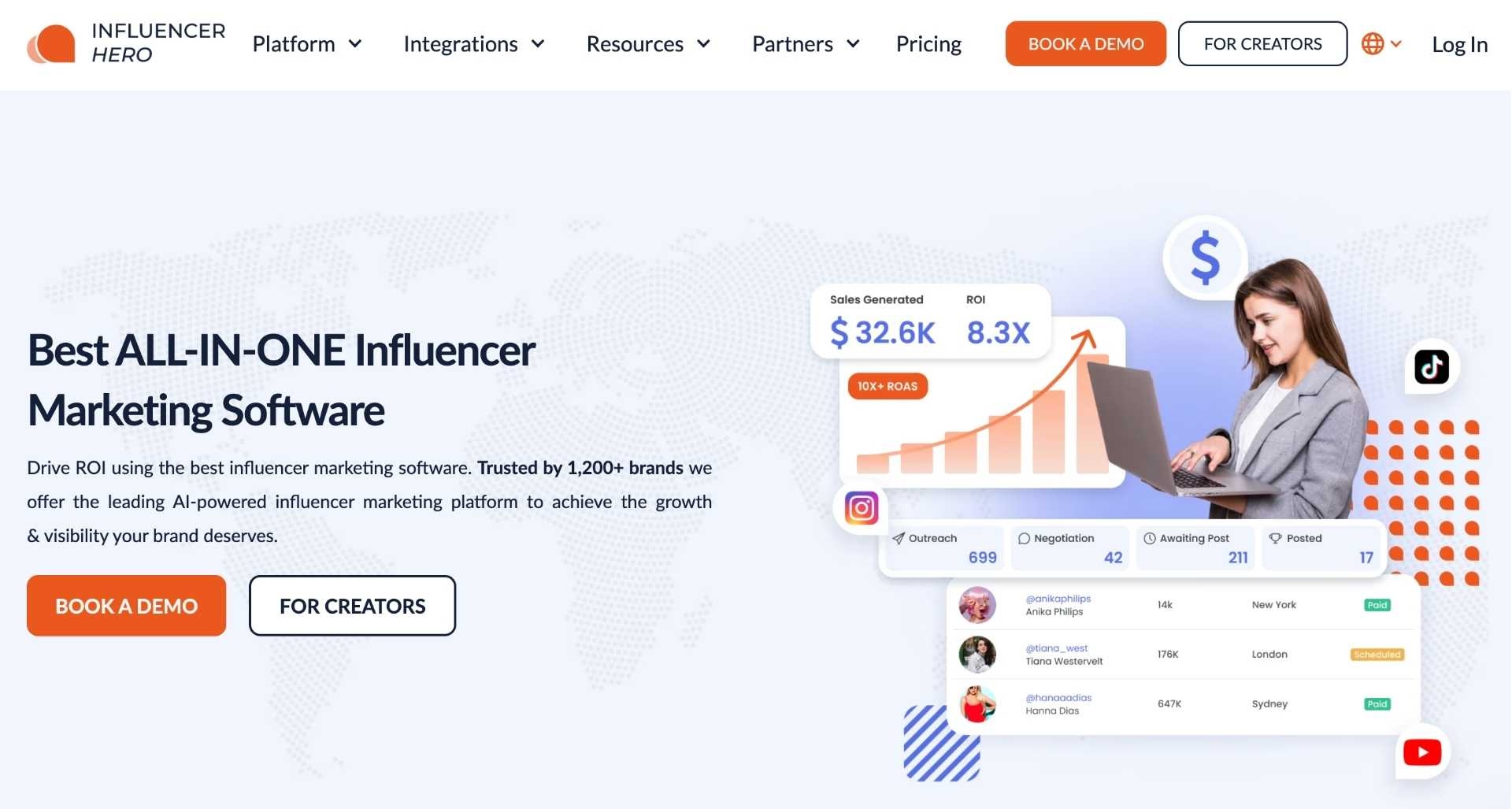
Influencer Hero ist eine All-in-One-Influencer-Marketing-Plattform, die für D2C- und E-Commerce-Marken entwickelt wurde und Discovery, Outreach, Influencer Gifting, Affiliate-Tracking und ROI-Reporting in einem System bietet. Ihre Positionierung ist besonders stark für Marken, die Creator-Aktivitäten an Umsätze koppeln möchten, mit einem Workflow, der auf CRM-Automatisierung, Creator Commerce und skalierbarem Outreach basiert.
Wichtigste Funktionen
- Influencer-Discovery mit Lookalikes und Betrugsprüfungen – Influencer Hero ermöglicht es Marken, Creator mit Filtern wie Standort, Demografie, Engagement und Interessen zu suchen, und bietet gleichzeitig Fake-Follower-Erkennung und Lookalike-Vorschläge, um das Erstellen von Shortlists zu beschleunigen.
- Chrome-Erweiterung für Live-Creator-Sourcing – Teams können Creator-Einblicke beim Durchsuchen von Social-Media-Plattformen abrufen und Profile direkt in Kampagnen importieren, was manuelle Rechercheschritte reduziert.
- Automatisiertes Outreach und Drip-Sequenzen – Die Plattform unterstützt eins-zu-eins und Massen-Outreach, KI-unterstützte Texte, Reply-Tracking und mehrstufige Follow-up-Flows, sodass Marken die Creator-Rekrutierung skalieren können, ohne die Struktur zu verlieren.
- Kampagnen-zentriertes CRM – Sein CRM ist einer der Hauptunterschiede, mit Boards für Liefergegenstände, Outreach-Stufen, Genehmigungen und ROI-Tracking sowie Massenaktionen, um Creator schneller durch Workflows zu bewegen.
- Gifting und Product Seeding – Influencer Hero verbindet Creator-Kampagnen mit Store-Operationen, sodass Marken Produkte versenden, Erfüllung überwachen und Seeding-Kampagnen verwalten können, ohne sich auf Tabellenkalkulationen zu verlassen.
- Affiliate-Links, Codes und Auszahlungen – Marken können nachverfolgbare Affiliate-Links und Discount-Codes generieren, Klicks und Bestellungen einzelnen Creatorn zuordnen und Auszahlungsflüsse aus demselben Workspace verwalten.
- UGC-Erfassung und Content-Bibliothek – Creator-Beiträge werden automatisch in einer durchsuchbaren Bibliothek erfasst, um sie in Anzeigen, E-Mails, Landingpages und internen Berichten erneut zu verwenden.
- Application Pages und Creator Storefronts – Die Plattform unterstützt Marken-Application-Pages und Creator Storefronts, um Marken dabei zu helfen, eingehende Creator zu gewinnen und Content-Beziehungen in Commerce-Workflows umzuwandeln.
- KI-Workflow-Optimierung – Influencer Hero hebt KI-basierte Creator-Empfehlungen, prädiktive ROI-Unterstützung und Outreach-Unterstützung als Teil seiner Automatisierungsschicht hervor.
Preise
Influencer Hero bietet flexible Preise basierend auf Outreach-Volumen, und Sie können unbegrenzte Creator in Ihrem CRM haben:
- Standard — 649 USD/Monat (bis zu 1.000 Outreach-Nachrichten pro Monat)
- Pro — 1.049 USD/Monat (bis zu 5.000 Outreach-Nachrichten pro Monat)
- Business — 2.490 USD/Monat (bis zu 10.000 Outreach-Nachrichten pro Monat)
- Custom / Agency — Maßgeschneiderte Preise
Benutzerdefinierte Preise sind für Agenturen und größere Teams verfügbar
Bewertungen
4,9/5,0 (Capterra)
Vorteile
- Kampagnen-fokussierte CRM-Automatisierung – Influencer Hero ist ungewöhnlich workflow-intensiv für seine Preisklasse, mit strukturierten Boards, Massenaktionen und automatisiertem statusbasiertem Outreach, das speziell für hochvolumige Creator-Programme entwickelt wurde.
- Breite E-Commerce-Flexibilität – Sie geht über einen einzelnen Store-Fokus hinaus, indem sie Shopify, WooCommerce, Amazon, Webflow und Affiliate-Tracking-Ebenen unterstützt, was für Marken nützlich ist, die über mehrere Storefronts oder Marktplätze verkaufen.
- Hochgradig personalisiertes Outreach in großem Maßstab – KI-verbesserte E-Mail-Flows und automatisierte Follow-ups generieren Nachrichten, die sich maßgeschneidert und relevant anfühlen, und verbessern Reply-Raten, Konversionen und langfristige Creator-Beziehungen.
Nachteile
- Die anfängliche Einrichtung erfordert möglicherweise einige Konfiguration – Da die Plattform CRM-Logik, Automatisierung und Commerce-Workflows enthält, benötigen Teams möglicherweise Onboarding-Unterstützung, um diese richtig zu konfigurieren.
- Höhere Preise für kleinere Teams – ```May be less accessible for early-stage brands or those with limited budgets
Integrationen
- Shopify – Synchronisieren Sie Produkte, Bestellungen, Rabattcodes und von Creatorn generierte Einnahmen direkt in Campaign-Workflows.
- WhatsApp — Synchronisieren und verwalten Sie Influencer-Gespräche direkt im CRM mit Echtzeit-Messaging, Automatisierung und vollständiger Chat-Chronik.
- Amazon – Attributieren Sie Marketplace-generierte Creator-Einnahmen und bewahren Sie Reporting-Konsistenz über einen DTC-Storefront hinaus.
- Klaviyo – Verbinden Sie Creator-Aktivität mit E-Mail- und Lifecycle-Marketing-Workflows für bessere Retention und Attribution Visibility.
- GoAffPro – Generieren Sie Affiliate-Links und Codes für Creator, synchronisieren Sie dann Clicks und Sales zurück in Influencer Hero für Reporting.
Popular Pays vs. Influencer Hero
Popular Pays ist stärker als Creator-Collaboration- und UGC-Production-Plattform positioniert, während Influencer Hero commerce-orientierter und operativ tiefer für DTC-Marken ist, die Creator-Aktivität an Sales, Affiliate-Tracking und Gifting gebunden haben möchten. Popular Pays konzentriert sich auf geprüften Marketplace-Zugang, Creative-Workflows und KI-gestützte Brand Safety, während Influencer Hero mehr Gewicht auf CRM-Automatisierung, Creator-Funnels und eCommerce-Attribution legt.
Ein weiterer großer Unterschied ist die Preisstruktur. Influencer Hero hat öffentliche Preise und beginnt mit einem niedrigeren, besser zugänglichen monatlichen Satz mit 3-Monats-Verpflichtung, während Popular Pays stärker auf angebotsbasierte Verkaufsgespräche setzt. Für DTC-Marken, die sich am meisten um Outreach-Volumen, Affiliate-Links und Product-Seeding kümmern, ist Influencer Hero üblicherweise die leistungsorientierte Option; für Marken, die Campaign-Collaboration und skalierbare Creator-Content-Production priorisieren, bleibt Popular Pays die inhaltsorientierte Wahl.
Upfluence

Upfluence ist eine Influencer-Marketing-Plattform, die auf Discovery, Outreach, Campaign-Ausführung, Affiliate-Tracking und Payments aufgebaut ist und einen besonders starken eCommerce-Fokus hat. Das Kernversprechen ist, dass Marken Creator finden, Kunden als Influencer aktivieren, Store-Daten synchronisieren und Sales aus Influencer-Aktivität an einem Ort messen können.
Wichtigste Funktionen
- Große Creator-Datenbank und erweiterte Suche – Upfluence hebt öffentlich eine Datenbank von über 14 Millionen Creatorn hervor und unterstützt erweiterte Filterung nach Audience, Nische, Geografie, Performance und Lookalikes.
- KI-gestützte Discovery und Campaign-Setup – Jaice AI ist als KI-Co-Pilot für Discovery, Outreach und Campaign-Erstellung positioniert und hilft Teams, Kommunikation zu personalisieren und Campaigns schneller zu starten.
- Unbegrenzter Massen-Outreach – Die Plattform unterstützt Bulk-Outreach, Templates, benutzerdefinierte Felder und Drip-E-Mail-Sequenzen in höheren Plänen sowie Gmail- und Outlook-Integration.
- Creator-Marketplace und Recruitment-Seiten – Marken können Creator durch Recruitment-Seiten und einen Inbound-Marketplace an Programme beitreten lassen.
- CRM und Relationship Management – Upfluence bietet Campaign-Tracking, Creator-Records, Kommunikationsverlauf und Influencer-Relationship-Workflows für laufendes Program-Management.
- eCommerce-Matching und Customer-to-Creator-Identifikation – Ein herausragendes Feature ist CMS/Datenbank-Matching, das Marken hilft, einflussreiche Kunden in ihrem CRM oder eCommerce-Stack zu identifizieren.
- Product-Gifting und Affiliate-Tracking – Upfluence verbindet Creator-Aktivität mit Gifting, Rabattcodes, Affiliate-Links, Conversions und verfolgten Sales durch eCommerce-Integrationen.
- Massen-Payments und Compliance-Support – Der Autopilot-Tier bietet Budget-Handling, globale Creator-Payouts in lokalen Währungen und Support für Tax- und Invoicing-Prozesse.
- Echtzeit-Campaign-Analytics – Marken können Likes, Reach, Impressions, Clicks, Conversions und Sales verfolgen, besonders wenn eCommerce-Integrationen aktiviert sind.
Preisgestaltung
- Preismodell: Upfluence nutzt benutzerdefinierte Preise anstelle eines öffentlichen festen Plantarifs.
- All plans are custom made. There's a minimum full year of service you have to commit to with monthly payments. On average plans start around $2,000/month ($24,000 yearly)
Bewertungen
4.3/5.0 (Capterra)
Vorteile
- Starke eCommerce-Stack-Konnektivität – Upfluence ist eine der besseren Lösungen für Marken, die die Influencer-Discovery direkt mit Shopify, Amazon und anderen Speichersystemen für Conversion Tracking verbinden möchten.
- Matching von Kunden als Creator – Seine CMS- und eCommerce-Matching-Funktion ist ein aussagekräftiger Unterscheidungsfaktor, da sie Marken hilft, bestehende Kunden zu finden, die möglicherweise bereits gute Creator-Kandidaten sind.
- Jaice AI über mehrere Workflows – Upfluence integriert KI tiefer in das Produkt, von E-Mail-Unterstützung bis zur Campaign-Erstellung, was es automatisierungsorientierter macht als viele etablierte Plattformen.
Nachteile
- Die Preisgestaltung ist nicht transparent – Käufer müssen noch immer mit dem Vertrieb sprechen, um verbindliche Preise zu erhalten, und jährliche Verpflichtungen bleiben ein häufiger Kritikpunkt.
- Es gibt eine Lernkurve – Nutzer beschreiben die Plattform regelmäßig als leistungsstark, aber nicht besonders einsteigerfreundlich für neue Teams.
- Campaign-Bearbeitung und Workflow-Flexibilität können einschränkend sein – Einige Nutzer berichten von umständlicher Einrichtung, begrenzter Bearbeitbarkeit nach der Campaign-Erstellung und Friktionen bei der Listenorganisation.
Integrationen
- Shopify – Verbinden Sie Speicher- und Kundendaten, identifizieren Sie einflussreiche Kunden, verfolgen Sie Verkäufe und führen Sie Gifting- und Affiliate-Workflows aus.
- Amazon – Attributieren Sie Creator-Performance zu Marketplace-Umsätzen und Affiliate-Aktivitäten, was ein großer Unterscheidungsfaktor für Omnichannel-Marken ist.
- WooCommerce – Erweitern Sie eCommerce-Campaign und Conversion Tracking über Shopify hinaus.
- Klaviyo – Ziehen Sie Kunden- und E-Mail-Daten in Creator-Identifikation und CRM-Workflows.
- Stripe – Unterstützen Sie Zahlungs- und Finanzoperationen im Zusammenhang mit Influencer-Kampagnen und Creator-Vergütung.
Popular Pays vs Upfluence
Popular Pays ist stärker auf Creator-Zusammenarbeit und UGC ausgerichtet, während Upfluence stärker auf Influencer-Commerce, Customer Matching und Conversion Attribution ausgerichtet ist. Wenn eine Marke einen integrierten Workflow für speicherverbundene Discovery, Gifting, Affiliate-Links und Amazon- oder Shopify-Reporting wünscht, bietet Upfluence in der Regel eine stärkere Commerce-Infrastruktur. Popular Pays ist dagegen bekannter für Content-Workflows, Brand-Safety-Tools und Campaign-Zusammenarbeit zwischen Creatorn und internen Teams.
Es gibt auch einen Unterschied im Plattform-Feel. Popular Pays ist normalerweise die einfachere redaktionelle Lösung für Marken, die sich auf von Creatorn produzierte Inhalte konzentrieren, während Upfluence oft die bessere Wahl für umsatzorientierte eCommerce-Teams ist, die eine engere Attribution und Kundendata-Aktivierung wünschen. Upfluences benutzerdefinierte Verpackung und steilere Einrichtung können ein Nachteil für kleinere Teams sein, während Popular Pays aus einer Campaign-Zusammenarbeitsperspektive tendenziell leichter zu verstehen ist.
Aspire

Aspire ist eine Influencer-Marketing-Plattform, die für eCommerce-Marken konzipiert ist, die Word-of-Mouth-Commerce-Programme über Influencer, Markenbotschafter, Affiliates, Kunden und UGC durchführen möchten. Seine Positionierung ist besonders stark bei der Kombination von ausgehender Discovery mit eingehenden Creator-Bewerbungen, Shopify-verbundener Commerce-Verfolgung und Workflow-Automatisierung zur Skalierung von Kampagnen.
Wichtigste Funktionen
- Eingehende und ausgehende Creator-Discovery – Aspire betont, dass Marken entweder direkt nach Creatorn suchen oder Creatorn sich bewerben lassen können, was einer seiner wichtigsten Workflow-Vorteile ist.
- Großer Creator-Marketplace – Aspire gibt an, dass Marken über seinen Marketplace 1 Mio.+ Creator erreichen können, was es besonders für Marken geeignet macht, die ihre Campaign-Rosters durch eingehende Bewerbungen füllen möchten.
- Campaign-Workflow-Automatisierung – Die Plattform unterstützt automatisierte Geschäftsprozesse für Produktseeding, gesponserte Inhalte, Verträge und Genehmigungen und hilft schlanken Teams, größere Creator-Programme zu verwalten.
- Affiliate- und attributables ROI-Tracking– Aspire positioniert sich rund um messbare Verkaufsauswirkungen mit Affiliate-Tracking und Leistungstransparenz, die an Creator-Aktivitäten gebunden sind.
- UGC-Beschaffung und bezahlte Medienwiederverwendung – Aspire hebt seine Fähigkeit hervor, hochperformante Creator-Inhalte für Anzeigen zu generieren, einschließlich Ansprüchen rund um effizientere CPM und niedrigere CPC aus UGC.
- Shopify-gestützte Produktzusendung und Kundenabgleich – Die Shopify-Integration von Aspire unterstützt Kundendata-Anreicherung, automatisierte Produktversände, Leistungsanalyse und die Identifizierung wertvollen Creator-Prospects in Kundendaten.
- CreatorStores / Offer Landing Pages – Aspire hat seine Creator-Commerce kürzlich mit Co-Branded Microstores und Offer Landing Pages erweitert, die mit Shopify verbunden sind und die Konversion verbessern und Erstanbieterdaten erfassen sollen.
- Support und optionale verwaltete Services – Marken können entweder die DIY-Plattform nutzen oder Services aus Aspires Inhouse-Team hinzufügen, was zu seinen Mittelmarkt-Vorzügen gehört.
Preise
Aspire veröffentlicht keine vollständige öffentliche Paketpreisgestaltung auf seiner Website. Öffentliche und aktuelle Marktquellen deuten an:
- Benutzerdefinierte Preise
- Häufig berichtet bei etwa 2.000+ USD/Monat
- Neuere Angebote deuteten auf etwa 2.300 USD/Monat für ein Mittelstufensetup hin
- Normalerweise mit einer 12-Monats-Bindung verkauft statt Month-to-Month-Self-Service-Plänen
Bewertungen
4,0/5,0 (Capterra)
Vorteile
- Starker Eingangsmarktplatz-Vorteil – Aspires größter Differenzierer ist immer noch sein großer eingehender Creator-Marketplace, der die manuelle Prospektierung für Marken, die möchten, dass Creator sich selbst zu Wort melden, wesentlich reduzieren kann.
- Erstanbieterkonnektivität im Commerce – Seine Shopify-Verbindung ist tiefer als einfaches Discount-Code-Tracking und erstreckt sich auf Kundenbereichung, Produktzusendung und Kampagnen-Leistungstransparenz.
- CreatorStores und Micro-Shopping – Aspires neuere Creator-Commerce-Features wie CreatorStores und Offer Landing Pages geben ihm einen stärkeren Social-Commerce-Winkel als viele traditionelle Influencer-CRMs.
Nachteile
- Transparenz der öffentlichen Preisgestaltung ist begrenzt – Käufer müssen immer noch ein Angebot anfordern, was die Seite-an-Seite-Bewertung verlangsamt.
- Die Plattform kann für kleinere Teams teuer sein – Mittelstufenpakete können bereits in den Bereich von Niedrigtausenden pro Monat drücken.
- Nutzer berichten immer noch gelegentlich von Produktkomplexität und technischen Reibereien – Bewertungen erwähnen, dass Setup und Feature-Navigation in einigen Workflows schwerfällig wirken können.
Integrationen
- Shopify – Synchronisieren Sie Käuferdaten, automatisieren Sie Produktzusendung und verbinden Sie Creator-Leistung mit Store-Aktivität und Verkaufsergebnissen.
- WooCommerce – Erweitern Sie Commerce-Tracking und Kampagnen-Workflows auf WooCommerce-basierte Stores.
- Slack – Halten Sie Teams über Kampagnen-Updates und Creator-Workflows abgestimmt, ohne interne Kommunikationskanäle zu verlassen.
- TikTok – Profitieren Sie von Partner-Konnektivität auf höchster Ebene für Kampagnenausführung und Creator-Aktivierung auf TikTok.
- Pinterest – Nutzen Sie Aspires Partner-Ökosystem, um Creator-Kampagnen und Commerce-Workflows auf Pinterest ebenfalls zu unterstützen.
Popular Pays vs. Aspire
Popular Pays und Aspire unterstützen beide Creator-Discovery, Workflows und Content-Produktion, aber Aspire ist generell die stärkere Wahl für Marken, die eingehende Bewerbungen, Affiliate-Commerce und Storefront-verbundene Kampagnenausführung wünschen. Popular Pays konzentriert sich mehr auf Creator-Zusammenarbeit, UGC-Produktion und Brand Safety, während Aspire sich weiter auf Word-of-Mouth-Commerce, Bewerbungs-gesteuerte Beschaffung und zuordnungsreife ROI konzentriert.
Aspire ist auch typischerweise besser geeignet für Marken, die Creator, Ambassadors, Affiliates und Kunden unter einer umfassenderen Commerce-Strategie verwalten möchten. Popular Pays wirkt stärker fokussiert darauf, Creator-Content-Kampagnen sauber auszuführen, während Aspire darauf ausgelegt ist, diese Kampagnen in ein größeres Revenue-Engine zu skalieren, besonders für Shopify-zentrische Marken.
CreatorIQ

CreatorIQ ist eine Enterprise-Influencer-Marketing-Plattform, die für Marken entwickelt wurde, die eine großflächige Creator-Discovery, strukturierte Governance, erweiterte Reporting-Funktionen und funktionsübergreifende operative Kontrolle benötigen. Sie positioniert sich als Creator-Marketing-Betriebssystem mit KI-gestützter Intelligence, globaler Governance, Compliance und kürzlich erweiterter Brand-Safety- und Benchmarking-Infrastruktur.
Wichtige Funktionen
- Enterprise-Grade-Creator-Discovery und -Bewertung – CreatorIQ unterstützt Suche, Vergleich, Empfehlungen und inhaltsorientierte Creator-Bewertung mit umfangreichen Feldern und Brand-Fit-Analyse.
- Zentralisierte Creator-Verwaltung – Die Plattform wurde für globale Teams entwickelt, die ein gemeinsames System für Creator-Datensätze, Workflows, Leistung, Genehmigungen und Beziehungsverlauf benötigen.
- Affiliate- und Commerce-Workflows – CreatorIQ unterstützt Creator-Affiliate-Marketing und Umsatzgenerierung durch Enterprise-Grade-Integrationen und Creator-Commerce-Tools.
- Enterprise-Governance und Compliance – Governance ist ein wichtiger Teil der Produktgeschichte, mit gemeinsamer CRM, Reporting, historischen Protokollen und Kontrolle über Marken, Märkte und Abteilungen.
- CreatorIQ Pay – Die Produktsuite umfasst dedizierte Zahlungsinfrastruktur für Creator-Auszahlungen und operative Vereinfachung.
- BenchmarkIQ – CreatorIQ hat sein BenchmarkIQ, seine Competitive-Benchmarking-Schicht, kürzlich auf 37 Märkte erweitert, um eine umfassendere globale Leistungsanalyse zu ermöglichen.
- SafeIQ Brand Safety – SafeIQ ist eines der wichtigsten neuen Produkte von CreatorIQ und bietet KI-native Brand-Safety-Infrastruktur für Enterprise-Creator-Marketing.
- Enterprise-AI und Creator Graph – CreatorIQ bündelt zunehmend AI, Vertrauen und großflächige Creator-Intelligence als Kern-Produktinfrastruktur für globale Marken.
Preise
Es gibt verschiedene Pläne:
- Basic-Plan: Beginnt bei 35.000 USD/Jahr. Beinhaltet 1.000 kontaktierte Creator pro Monat
- Standard-Plan: Beginnt bei 50.000 USD/Jahr. Beinhaltet 2.500 kontaktierte Creator pro Monat
- Professional-Plan: Beginnt bei 90.000 USD/Jahr. Beinhaltet 5.000 kontaktierte Creator pro Monat
- Enterprise-Plan: Beginnt bei 200.000 USD/Jahr. Beinhaltet 7.500 kontaktierte Creator pro Monat
Bewertungen
4,4/5,0 (Capterra)
Vorteile
- SafeIQ ist ein bedeutsamer neuer Unterscheidungsfaktor – CreatorIQ hat stärker als viele Konkurrenten bei Enterprise-Grade, KI-nativer Brand Safety investiert, was für globale Marken in regulierten oder hochpräsenten Kategorien wichtig ist.
- BenchmarkIQ erweitert den Wettbewerbsvergleich – Die Benchmarking-Schicht, die nun auf 37 Märkte erweitert ist, ist ein starker Unterscheidungsfaktor für internationale Marken, die über Campaign-Reporting hinaus Vergleichbarkeit benötigen.
- Governance und strukturierte Skalierung – CreatorIQ ist eine der stärksten Optionen, wenn Influencer-Marketing in Compliance-, Finanz-, Reporting- und globale Betriebsstrukturen integriert werden muss, anstatt nur Campaign-Umsetzung zu leisten.
Nachteile
- Es ist teuer und enterprise-fokussiert – CreatorIQ liegt typischerweise außerhalb der Reichweite kleinerer D2C-Marken oder Teams, die nur leichte Campaign-Umsetzung benötigen.
- Die Plattform hat eine steilere Lernkurve – Benutzer beschreiben sie häufig als leistungsstarker, aber komplex, besonders für neue Teams.
- Einige Benutzer berichten weiterhin von Reporting- und Aktualitätsbeschränkungen – Öffentliche Bewertungen erwähnen gelegentliche Verzögerungen, Suchprobleme oder Analytics, die veraltet wirken können.
Integrationen
- Shopify – Verbinden Sie Commerce-Daten mit Creator-Kampagnen und Umsatz-Reporting.
- Google Analytics – Verknüpfen Sie Creator-Aktivitäten mit umfassenderer Website-Traffic- und Leistungsanalyse.
- DocuSign – Optimieren Sie Creator-Verträge und Vereinbarungsworkflows in Enterprise-Prozessen.
- Tableau – Speisen Sie Creator-Marketing-Daten in Executive Dashboards und Business-Intelligence-Reporting ein.
- Sprinklr – Die neue Sprinklr-Partnerschaft hilft dabei, Creator-, Organic- und Paid-Social-Messung in einer breiteren Reporting-Umgebung zu vereinheitlichen.
Popular Pays vs CreatorIQ
Popular Pays eignet sich besser für Marken, die einen zugänglicheren Creator-Campaign- und UGC-Workflow wünschen, während CreatorIQ für Enterprise-Organisationen konzipiert ist, die Governance, Compliance, Benchmarking und funktionsübergreifende operative Kontrolle benötigen. Popular Pays ist leichter als Kooperationsplattform zu verstehen; CreatorIQ ist viel mehr ein Enterprise-Betriebssystem.
Die größte Lücke liegt in der Komplexität und Skalierbarkeit. Popular Pays konzentriert sich auf Kampagnenausführung, Inhaltsproduktion und Creator-Sicherheit in einem eher praktischen alltäglichen Sinne. CreatorIQ bietet tiefere Governance, Zahlungsinfrastruktur, Benchmarking und strukturierte Integrationen in Enterprise-Stacks, aber das geht mit höheren Kosten und mehr Implementierungsaufwand einher.
Later
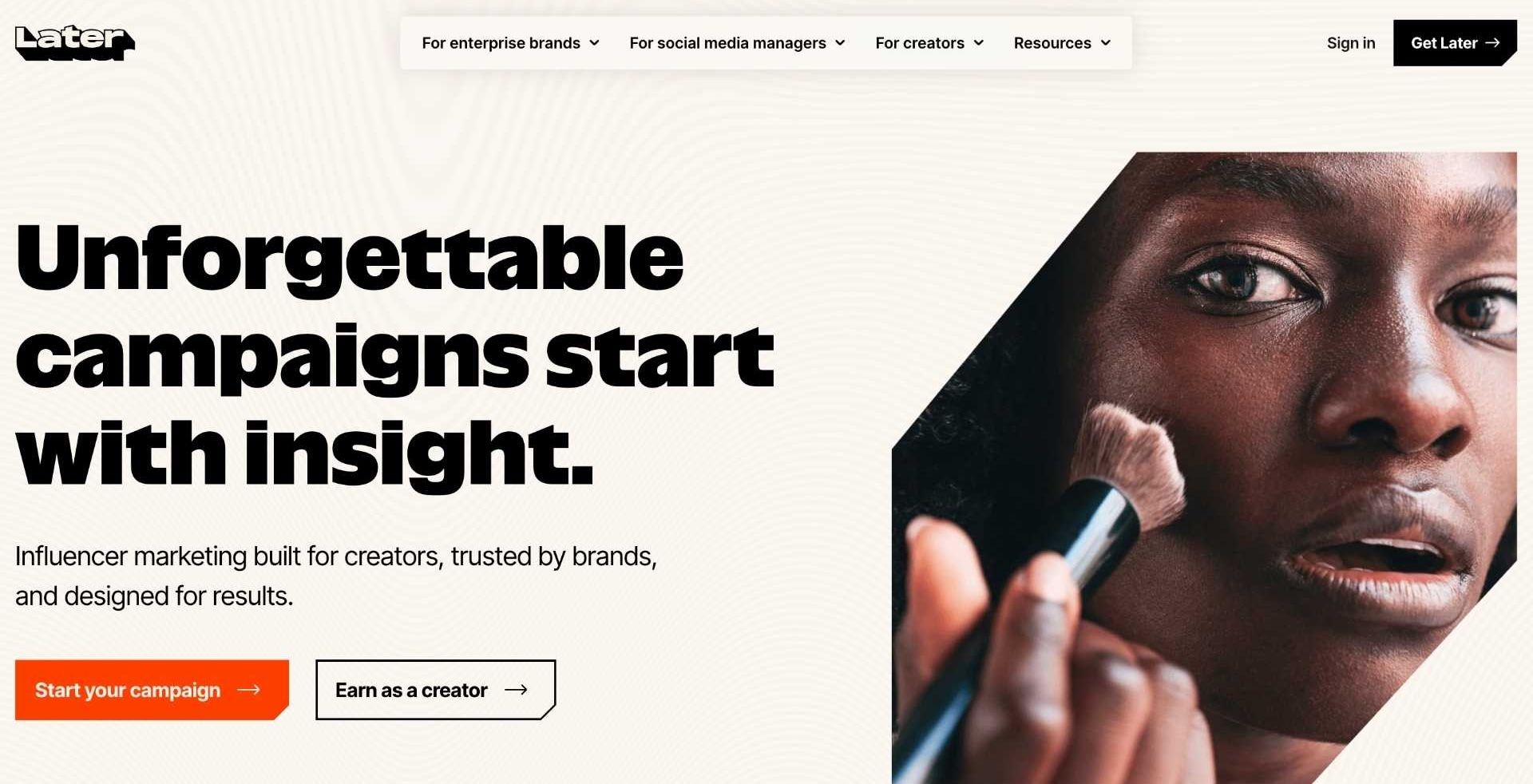
Later ist mittlerweile eine breitere Social- und influencer-Marketing-Plattform, die Social-Media-Management, Influencer-Marketing-Software, Full-Service-Kampagnenunterstützung, Social Listening, Link-in-Bio-Commerce-Tools und das Mavely-Affiliate-Netzwerk unter einer Marke vereint. Seit der Mavrck-Vereinigung und der Mavely-Akquisition positioniert sich Later zunehmend als „Social-Revenue-Plattform" und nicht nur als Influencer-Management-Tool.
Wichtigste Funktionen
- Influencer-Kampagnenverwaltung – Later Influence hilft Marken, Creator zu finden, Brand Fit und Risiko zu bewerten, Sätze festzulegen, Kampagnen durchzuführen und Verkäufe und ROI zu verfolgen.
- Große Creator-Intelligence-Datenbank – Later gibt an, dass es 16M+ Creator über Plattformen hinweg analysiert und dabei Kampagnen-Intelligence und First-Party-Datensignale nutzt, um Creator-Auswahl und Planung zu unterstützen.
- Prädiktive Intelligence mit Later EdgeAI – EdgeAI ist eine der größten kürzlichen Produktpushes von Later und nutzt Social Listening, Link-in-Bio-Daten, Kampagnen-Intelligence und Creator-Commerce-Signale, um Kampagnenentscheidungen zu lenken.
- Enterprise-Reporting mit Later 360 – Later 360 ist eine kürzliche Reporting-Schicht, die organische, bezahlte und Commerce-Daten vereint, um die breitere Auswirkung von Influencer-Programmen zu zeigen.
- Affiliate-Marketing über Mavely – Later integriert jetzt Mavely in Later Influence, sodass Marken Affiliate-Liefergegenstände erstellen, Creator-Links versenden und Affiliate-Leistung im selben Ökosystem verfolgen können.
- Shopify Gifting und Produktworkflows – Later bietet Shopify-Integration für Produktzusendung, Creator-Auswahl und Kampagnenverfolgung.
- Social Listening und Brand-Health-Monitoring – Later positioniert seine First-Party-Daten und Social-Listening-Suite als wichtigen Input für Creator-Auswahl und Kampagnen-Intelligence.
- Social-Media-Management im selben Ökosystem – Ein großer Vorteil gegenüber vielen reinen Influencer-Tools ist, dass Later auch Inhaltsplanung, Publishing, Analytics und Link-in-Bio-Traffic-Tools umfasst.
Preise
Die Influencer-Marketing-Plattform von Later (Later Influence) verwendet benutzerdefinierte Preise, und Marken müssen eine Demo anfordern, um genaue Kosten zu erfahren.
Basierend auf unserer Recherche gibt es verschiedene Pläne:
- Essentials Plan: Beginnt bei 28.500 USD pro Jahr. Beste Option für Marken, die in Influencer-Marketing anfangen.
- Pro Plan: Beginnt bei 42.000 USD pro Jahr. Beste Option für Daten und Automatisierung, um Ihre Kampagnen schneller auszuführen und bessere ROI zu erzielen.
- Premier Plan: Beginnt bei 60.000 USD pro Jahr. Alles, was Sie für ein skaliertes Influencer-Programm benötigen.
- Alle Pläne beinhalten eine zusätzliche einmalige Onboarding-Gebühr von 5.000 USD für alle neuen Kunden.
Bewertungen
4,4 / 5,0 (Capterra)
Vorteile
- Later EdgeAI ist ein großer aktueller Differenziator – Later investiert stark in prädiktive Kampagnen-Intelligence, die auf proprietären First-Party-Daten, Social Listening, Link-in-Bio-Transaktionen und Kaufdaten aufgebaut ist.
- Later 360 erweitert das Reporting über reine Influencer-Metriken hinaus – Die neue Enterprise-Reporting-Suite bietet Marken einen einheitlicheren Überblick über organische, bezahlte und Commerce-Leistung als die meisten eigenständigen Influencer-Tools.
- Vereinheitlichter Social- + Influencer- + Affiliate-Stack – Later ist ungewöhnlich, da es Influencer-Management, Social Publishing, Link in Bio und das Mavely-Affiliate-Netzwerk unter einer Marke vereint.
Nachteile
- Die Preisgestaltung ist immer noch angebotsbasis für Influencer-Pläne – Obwohl Later zugänglicher als Marke ist, erfordert seine Influencer-Plattform immer noch Verkaufsgespräche.
- Die Plattform kann sich eher breit als spezialisiert anfühlen – Weil Later Social-Media-Management, Creator-Kampagnen und Affiliate-Commerce abdeckt, könnten Teams, die nur ein fokussiertes Influencer-CRM benötigen, die Produktbreite breiter als nötig finden.
- Einige Enterprise-Workflows sind auf das sich weiterentwickelnde Ökosystem von Later angewiesen – Features sind zunehmend auf Later Influence, Later Social, Link in Bio und Mavely verteilt, was leistungsstark sein kann, aber auch geschichteter ist als einfachere Tools.
Integrationen
- Shopify – Automatisieren Sie Produktzusendungen, Creator-Auswahl und Campaign-Ergebnisverfolgung über Ihre Store-Verbindung.
- Mavely – Unterstützen Sie Affiliate-Lieferungen, Creator-Links und Affiliate-Performance-Tracking direkt in Later Influence.
- Instagram APIs – Authentifizieren Sie Creator-Konten, erfassen Sie Inhalte und Daten, und unterstützen Sie Campaign-Tracking, das an die Instagram-Performance gebunden ist.
- TikTok APIs – Rufen Sie Creator-Daten und Campaign-Inhalte über Plattformverbindungen ab, die Creator-Authentifizierung und Messung unterstützen.
- Slack – Laters Hilfedokumentation nennt Slack unter häufigen API-Tools, die mit der Plattform für Enterprise-Workflows und Zusammenarbeit verwendet werden.
Popular Pays vs Later
Popular Pays ist eine geradlinigere Creator-Kollaborationsplattform, während Later zu einem viel breiteren Ökosystem geworden ist, das Influencer Marketing, Affiliate Commerce, Social-Media-Management, Social Listening und Link in Bio Traffic umfasst. Wenn eine Marke einen Anbieter möchte, der sowohl Influencer-Ausführung als auch breitere Social-Operationen abdeckt, ist Later die bessere Wahl. Wenn das Ziel ein fokussierterer Creator-Campaign- und UGC-Workflow ist, ist Popular Pays einfacher und direkter.
Later hat auch eine größere aktuelle Produktgeschichte rund um prädiktive Intelligenz und einheitliches Reporting, besonders mit EdgeAI, Later 360 und Mavely. Popular Pays hebt sich immer noch mehr durch Creator-Zusammenarbeit, Content-Produktion und KI-gestützte Brand Safety im Campaign-Workflow selbst ab. In der Praxis eignet sich Later für Marken, die Influencer Marketing in ein größeres Social-Revenue-System integrieren möchten, während Popular Pays besser für Teams ist, die Creator-Ausführung ohne Kauf eines breiteren Social Stack wünschen.

IZEA
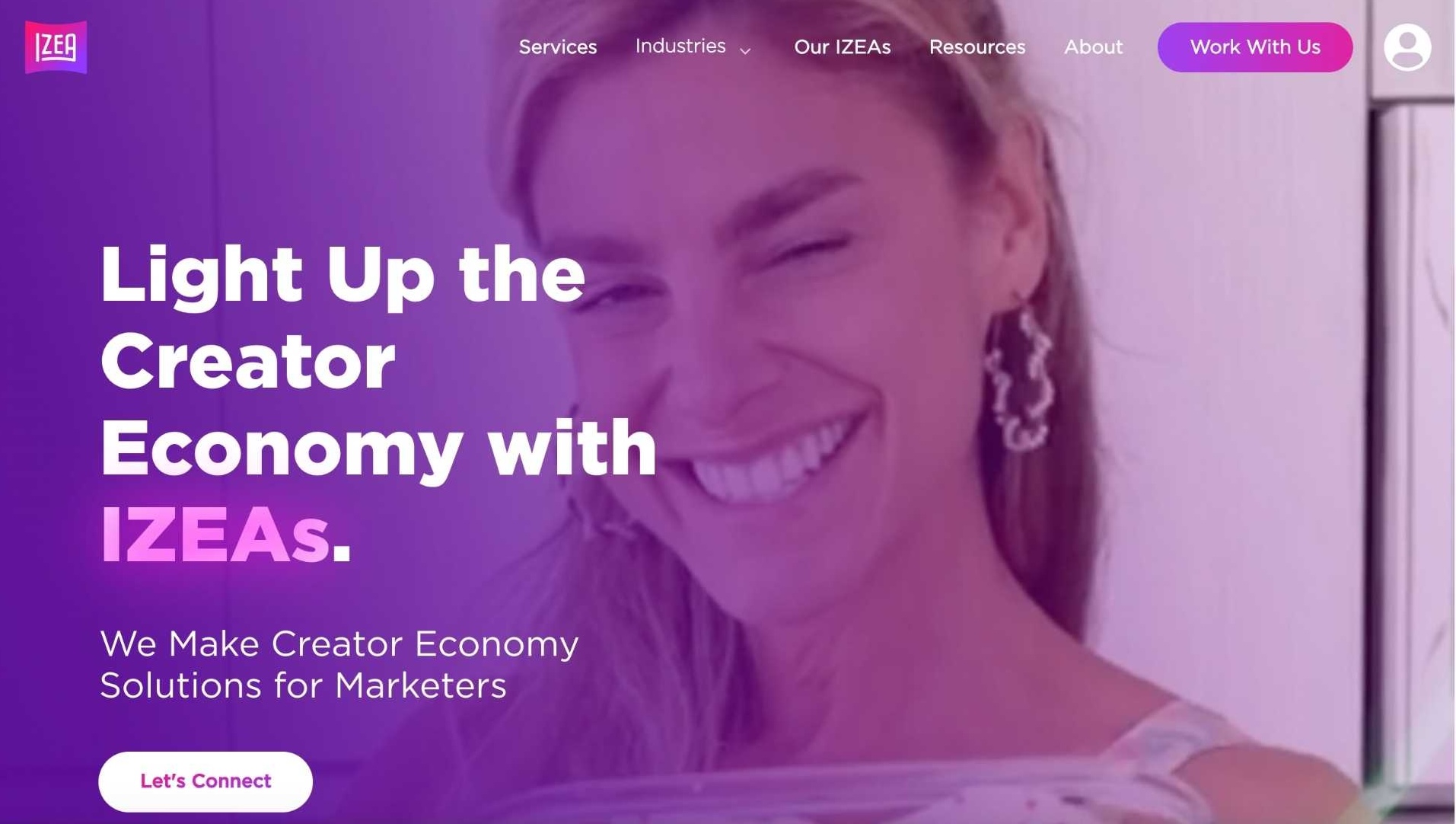
IZEA ist eine der längsten bestehenden Influencer-Marketing-Plattformen und bietet eine Kombination aus Creator-Discovery, Campaign-Management und einem integrierten Creator-Marktplatz. Die Plattform positioniert sich sowohl als Software-Plattform als auch als Creator-Netzwerk und ermöglicht es Marken, Influencer-Kampagnen durchzuführen, Inhalte zu beauftragen und Creator-Beziehungen im großen Maßstab zu verwalten.
Wichtigste Funktionen
- IZEA Marketplace (direkte Creator-Einstellung)
Ein nativer Marktplatz, auf dem Marken Kampagnen veröffentlichen, Creator durchsuchen und Influencer direkt für Sponsored Content oder UGC-Lieferungen einstellen können. - Influencer-Discovery und -Suche
Umfasst Filter für Zielgruppenendemografien, Engagement, Plattform und Inhaltstyp sowie Creator-Profile, die historische Leistung zeigen. - Campaign-Management-Workflows
Marken können Kampagnen erstellen, Lieferumfänge zuweisen, Genehmigungen verwalten und Zeitpläne aus einem Dashboard nachverfallen. - Inhaltskooperation und Genehmigungen
Bietet strukturierte Workflows für Inhaltseinreichung, Überarbeitungen und Genehmigungen, um Konsistenz über alle Kampagnen hinweg zu gewährleisten. - Automatisierte Zahlungen und Verträge
IZEA verwaltet Creator-Zahlungen, Verträge und Rechnungen innerhalb der Plattform und vereinfacht finanzielle Abläufe. - Performance-Tracking und Reporting
Verfolgt Kampagnenmetriken wie Engagement, Reichweite, Impressionen und Content-Performance. - Flex (Enterprise-Lösung)
IZEA Flex bietet eine erweiterte Lösung für große Marken mit tieferer Analytik, Workflow-Anpassung und Enterprise Reporting. - UGC und Content-Lizenzierung
Marken können Creator-Inhalte lizenzieren und über Anzeigen, Websites und Social-Kanäle hinweg wiederverwenden.
Preisgestaltung
- Starter Plan: ab 130 USD/Monat.
- Power Plan: ab 500 USD/Monat.
- Kostenlose Testversion: 10 Tage.
- Managed Services: benutzerdefinierte angebotgestützte Preisgestaltung für vollständig verwaltete Kampagnen.
Bewertungen
3,9 / 5,0 (G2)
Vorteile
- Duales Marketplace + SaaS-Modell
IZEA kombiniert auf einzigartige Weise einen selbstbedienten Creator-Marktplatz mit Enterprise-Software und ermöglicht es Marken, zwischen transaktionalen Kampagnen und langfristigem Program-Management zu wählen. - Integrierte Zahlungen und Vertragsabwicklung
Native Zahlungs- und Vertragsbearbeitung reduziert die operative Komplexität im Vergleich zu Plattformen, die externe Tools erfordern. - Starke UGC-Lizenzierungsfunktionen
IZEA macht es einfacher, Creator-Inhalte legal über Marketing-Kanäle hinweg wiederzuverwenden, was zunehmend für bezahlte Medien wichtig ist.
Nachteile
- Discovery kann sich weniger fortschrittlich anfühlen als neuere Plattformen
Filterung und KI-gestützte Empfehlungen sind nicht so anspruchsvoll wie bei einigen neueren Konkurrenten. - Benutzeroberflächendesign und Workflow-Erlebnis können veraltet wirken
Einige Benutzer finden die Benutzeroberfläche weniger intuitiv als neuere SaaS-Tools. - Begrenzte Transparenz bei Enterprise-Preisgestaltung
Erfordert Verkaufsgespräche, besonders für Flex.
Integrationen
- Shopify – Verbinden Sie Influencer-Kampagnen mit E-Commerce-Performance und verfolgen Sie die Verkaufsauswirkungen.
- Google Analytics – Messen Sie Datenverkehr und Campaign-Attribution über Kanäle hinweg.
- Facebook / Instagram – Synchronisieren Sie Campaign-Performance-Daten und verwalten Sie Social-Content-Workflows.
- YouTube – Verfolgen Sie Video-Campaign-Performance und Creator-Metriken.
- Stripe / Payment-Systeme – Verwalten Sie Creator-Zahlungen und finanzielle Workflows innerhalb von Kampagnen.
Popular Pays im Vergleich zu IZEA
Popular Pays konzentriert sich mehr auf Creator-Zusammenarbeit, UGC-Produktion und moderne KI-gestützte Workflows, während IZEA sich mehr auf marktplatzgestützte Influencer-Einstellung und transaktionale Kampagnen konzentriert. IZEAs integriertes Zahlungsmodell und Marktplatz-Modell ermöglichen es, Kampagnen schnell auszuführen, während Popular Pays eine strukturiertere Umgebung für langfristige Creator-Beziehungen und skalierbare Content-Produktion bietet.
Traackr
``````html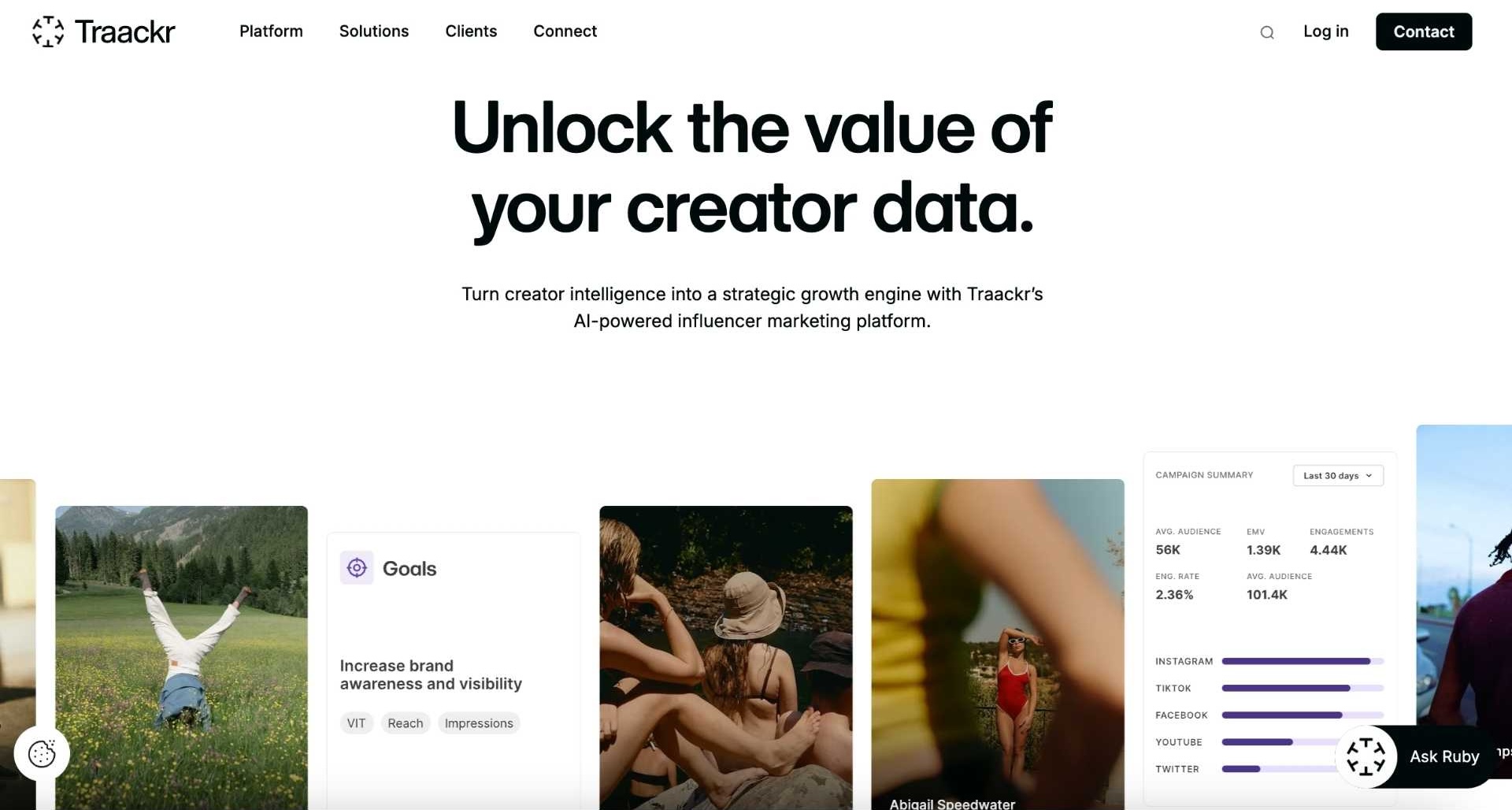
Traackr ist eine Enterprise-Plattform für Influencer-Marketing, die sich auf datengesteuerte Entscheidungsfindung, Influencer-Beziehungsmanagement und Performance-Benchmarking konzentriert. Sie ist besonders bekannt für ihre Analyse-Tiefe und ihre Fähigkeit, die Wirkung von Influencern über globale Kampagnen hinweg zu messen.
Hauptfunktionen
- Erweiterte Influencer-Discovery und Segmentierung
Ermöglicht es Marken, Influencer mithilfe von tiefen Zielgruppenerkenntnissen, Brand Affinity und Content-Analyse zu finden. - Beziehungsmanagement (IRM)
Konzentriert sich auf langfristige Influencer-Beziehungsverfolgung, einschließlich bisheriger Zusammenarbeit, Engagement-Verlauf und Performance. - Konkurrenz-Benchmarking
Eines der Kernstärken von Traackr – Marken können ihre Influencer-Performance mit Wettbewerbern vergleichen. - Kampagnenverwaltung und Tracking
Unterstützt Kampagnenplanung, Umsetzung und Performance-Überwachung über mehrere Märkte. - ROI und Performance-Analytics
Verfolgt Engagement, Reichweite, Share of Voice und ROI mit detaillierten Reporting-Dashboards. - Globale Influencer-Datenbank
Deckt mehrere Plattformen und Regionen ab und eignet sich für internationale Kampagnen. - Brand Safety und Compliance-Tools
Beinhaltet Funktionen, um sicherzustellen, dass Influencer-Inhalte mit Brand Guidelines übereinstimmen.
Preise
- Offizielle Preise: individuell / Angebot anfordern.
- Öffentlicher Vergleich: Die Preise beginnen bei etwa 32.500 USD/Jahr für einen Standard-Plan, mit zusätzlichen Modulen auf Anfrage verfügbar.
- Vertragstyp: In der Regel jährliche Enterprise-Verträge.
Bewertungen
4,3 / 5,0 (G2)
Vorteile
- Erstklassige Benchmarking-Funktionen
Traackr zeichnet sich dadurch aus, dass es Marken ermöglicht, die Performance von Influencern mit Wettbewerbern und Branchenbenchmarks zu vergleichen. - Starker Fokus auf Beziehungsmanagement
Konzipiert für langfristige Influencer-Programme statt für einmalige Kampagnen. - Globale Kampagnen-Skalierbarkeit
Gut geeignet für Marken, die Multi-Market-Influencer-Strategien durchführen.
Nachteile
- Hohe Kosten und Enterprise-Positionierung
Nicht ideal für kleine oder mittelständische Marken. - Komplexe Onboarding und Einrichtung
Erfordert Zeit und Schulung, um das volle Potenzial zu nutzen. - Begrenzte Fokussierung auf UGC-Workflows
Weniger optimiert für Content-Produktion im Vergleich zu neueren Plattformen.
Integrationen
- Google Analytics – Verbinden Sie Influencer-Kampagnen mit Website-Performance und Attribution.
- Salesforce – Synchronisieren Sie Influencer-Daten mit CRM-Systemen für Enterprise-Workflows.
- Adobe Analytics – Erweitern Sie das Reporting mit erweiterter Analytics-Integration.
- Social Plattformen (Instagram, TikTok, YouTube) – Abrufen von Kampagnendaten und Performance-Metriken.
- Datenvisualisierungs-Tools – Exportieren Sie Kampagnendaten in BI-Tools für tiefere Analysen.
Popular Pays vs Traackr
Popular Pays konzentriert sich stärker auf Creator-Zusammenarbeit und UGC-Produktion, während Traackr eine datenintensive Plattform ist, die für Benchmarking und Enterprise-Analytics entwickelt wurde. Traackr glänzt bei der Performance-Messung und globalen Skalierbarkeit, während Popular Pays besser für praktische Kampagnenumsetzung und Content-Workflows geeignet ist.
Influencity
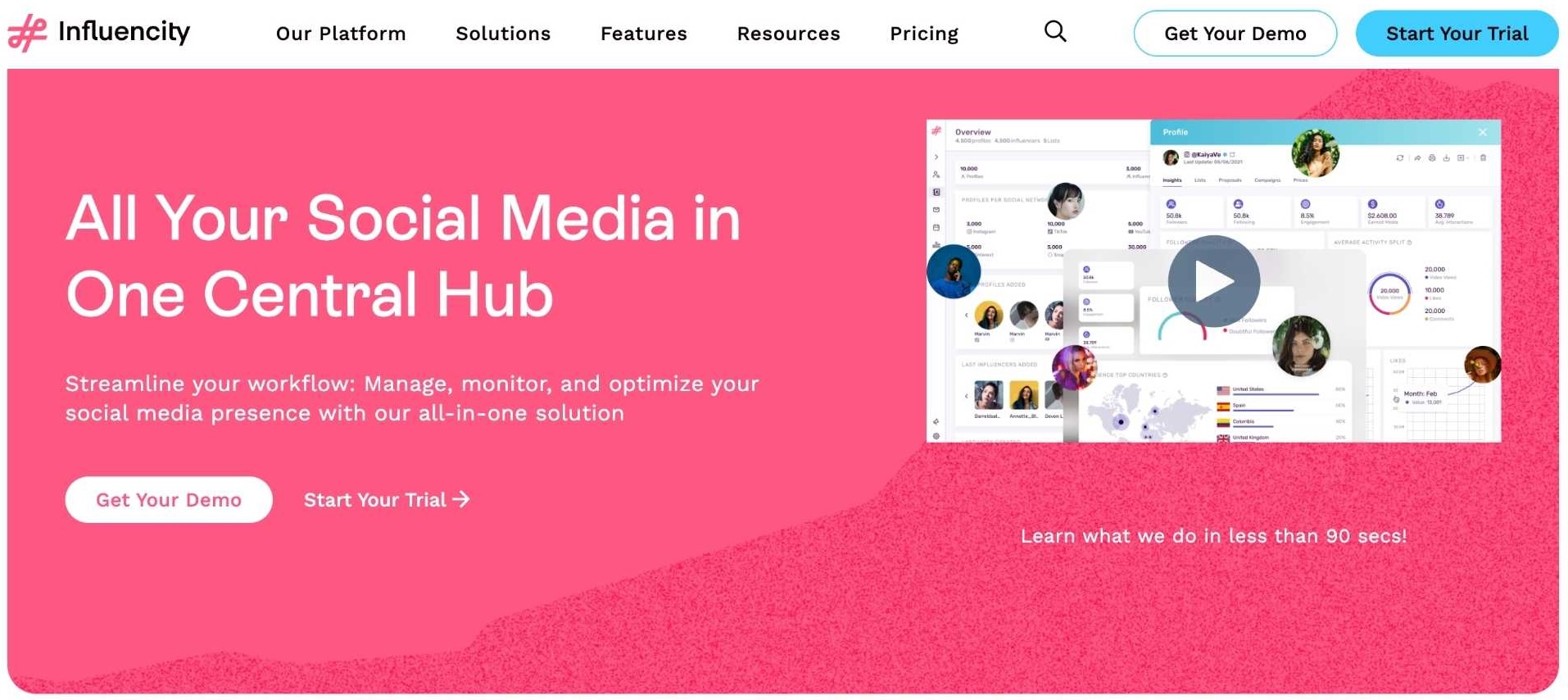
Influencity ist eine datengesteuerte Plattform für Influencer-Marketing, die sich auf Discovery, Analytics und Kampagnenverwaltung konzentriert. Sie ist für Marken konzipiert, die starke Filtermöglichkeiten und detaillierte Zielgruppenerkenntnisse ohne die Komplexität von Enterprise-lastigen Tools wünschen.
Hauptfunktionen
- Erweiterte Influencer-Suchfilter
```- Filter creators by audience demographics, engagement rate, location, interests, and authenticity.
- Audience analytics and insights
Provides detailed breakdowns of follower demographics, interests, and behavior. - Campaign management tools
Manage outreach, track deliverables, and monitor campaign progress. - Influencer relationship management
Store and organize influencer data with CRM-like functionality. - Performance tracking and reporting
Measure campaign success with engagement, reach, and ROI metrics. - Lookalike influencer discovery
Identify similar creators based on selected profiles. - Fake follower detection
Helps ensure authenticity and reduce influencer fraud.
Preise
Influencity offers three main pricing tiers, along with add-ons:
- Professional Plan: $318/month or $3,816/year
- Business Plan: $798/month or $9,576/year
- Enterprise Plan: Custom pricing
- Auto-Tracker Add-On: $660/year (for 50 influencers)
Bewertungen
4.3 / 5.0 (G2)
Vorteile
- Highly granular filtering capabilities
Influencity offers some of the most detailed search filters available for precise influencer targeting. - Strong audience analytics
Provides deep insights into follower demographics and authenticity. - Accessible pricing compared to enterprise tools
More affordable for mid-sized teams.
Nachteile
- Limited outreach automation compared to competitors
Not as strong in automated workflows. - UI can feel data-heavy for beginners
May require time to navigate effectively. - Fewer integrations compared to larger platforms
Ecosystem is more limited.
Integrationen
- Shopify – Track influencer-driven sales and conversions.
- Google Analytics – Measure campaign traffic and ROI.
- Instagram / TikTok APIs – Access real-time influencer data.
- YouTube – Analyze video performance and audience metrics.
- CSV export tools – Export data for external analysis.
Popular Pays vs Influencity
Popular Pays is more focused on campaign execution and content collaboration, while Influencity is stronger in data analysis and influencer discovery. Influencity is ideal for teams that prioritize analytics and targeting, whereas Popular Pays is better for managing creator workflows and producing UGC.
Heepsy

Heepsy is an influencer marketing platform focused on discovery, outreach, and campaign tracking, with a strong emphasis on ease of use and affordability. It is particularly popular among small to mid-sized eCommerce brands.
Wichtigste Funktionen
- Massive influencer database (50M+)
Provides access to a large global pool of influencers across multiple platforms. - Advanced filtering and search
Filter by niche, location, engagement rate, audience demographics, and authenticity. - Fake follower detection
Includes authenticity scoring to identify fake followers and ensure campaign quality. - Outreach and email automation
Send bulk emails, manage responses, and track outreach progress. - CRM-style campaign pipeline
Visual pipeline to track campaign stages from outreach to payment. - Campaign tracking and reporting
Monitor engagement, content performance, and campaign metrics. - Shopify integration for sales tracking
Track conversions and revenue from influencer campaigns (Advanced plan).
Preise
- Free — limited free access is available.
- Starter — recent official Heepsy blog references place Starter at $89/month.
- Plus — recent official Heepsy blog references place Plus at $249/month.
- Advanced — recent official Heepsy blog references place Advanced at $369/month.
- Heepsy sagt auch, dass Benutzer monatliche oder jährliche Abrechnungen wählen können, wobei jährliche Abonnements gegenüber monatlichen Tarifen rabattiert sind.
Bewertungen
4,5 / 5,0 (G2)
Vorteile
- Erschwingliche und zugängliche Preisgestaltung
Eine der budgetfreundlicheren Influencer-Plattformen mit starken Kernfunktionen. - Starke Discovery- und Filterungsfunktionen
Ermöglicht präzises Targeting von Influencern über Nischen und Geografien hinweg. - Einfache und intuitive Benutzeroberfläche
Leicht für kleine Teams zum schnellen Übernehmen.
Nachteile
- Erweiterte Funktionen hinter höheren Plänen gesperrt
Verkaufsverfolgung und Integrationen erfordern den Advanced-Plan. - Begrenzte KI- und Automatisierungsfunktionen
Fehlen fortgeschrittene KI-gesteuerte Arbeitsabläufe. - Fake-Follower-Erkennung ist nicht vollständig präzise
Basiert auf Schätzungen statt auf exakten Daten.
Integrationen
- Shopify – Verfolgen Sie influencer-gesteuerte Verkäufe und Konversionen.
- E-Mail-Tools – Verwalten Sie Outreach-Kampagnen und Kommunikation.
- Instagram / TikTok APIs – Zugriff auf Influencer-Daten und Metriken.
- CSV-Exporte – Exportieren Sie Influencer-Daten zur externen Nutzung.
- Campaign-Tracking-Tools – Überwachen Sie Leistungsmetriken über Kampagnen hinweg.
Popular Pays vs Heepsy
Popular Pays ist eine fortschrittlichere Plattform mit Fokus auf Zusammenarbeit, Content-Workflows und KI-Funktionen, während Heepsy ein einfacheres, kostengünstigeres Tool ist, das auf Discovery und Outreach ausgerichtet ist. Heepsy ist ideal für kleinere Teams oder solche, die gerade mit Influencer Marketing beginnen, während Popular Pays besser für Marken geeignet ist, die UGC-Produktion skalieren und komplexe Kampagnen verwalten möchten.
Lefty
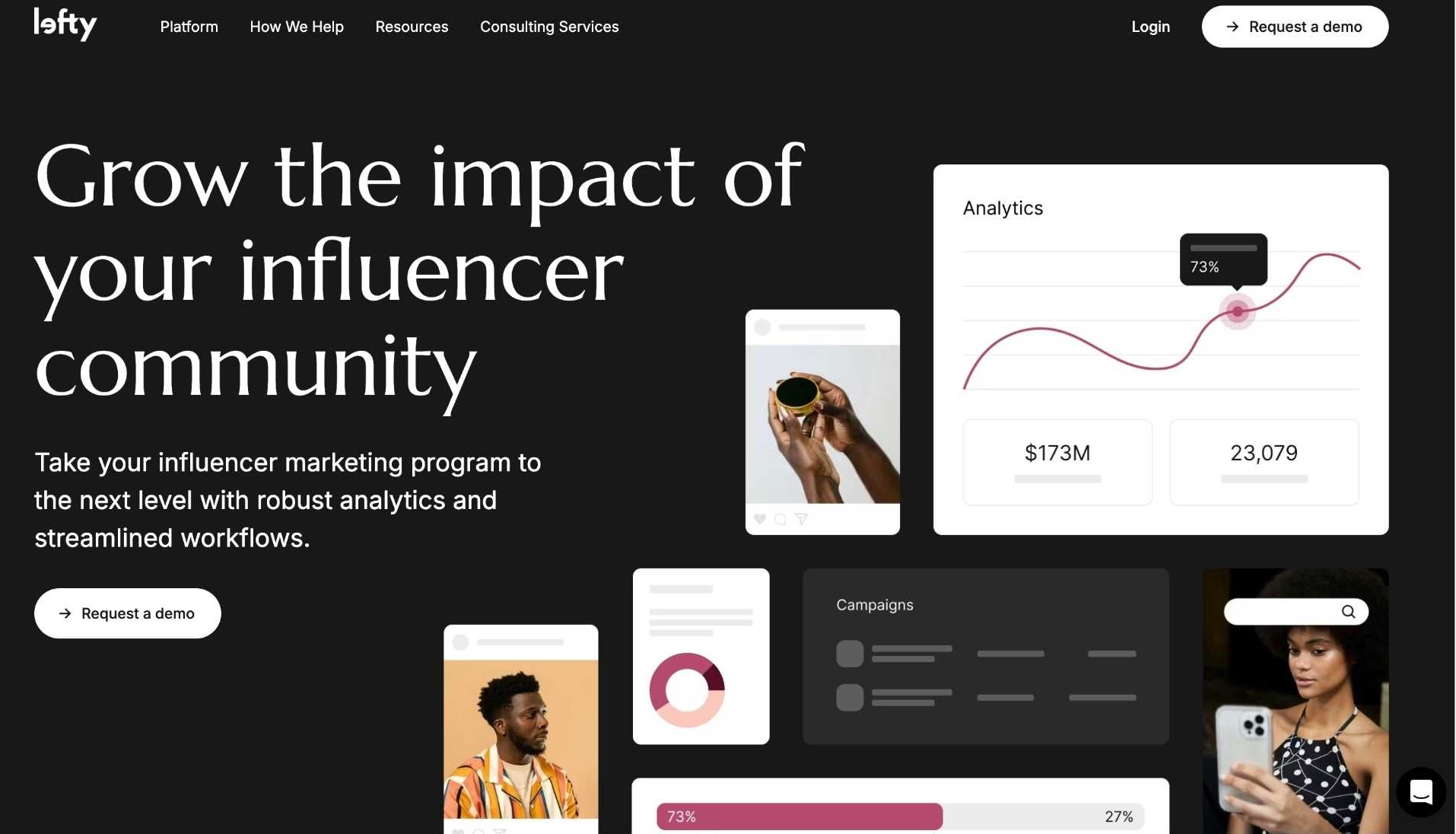
Lefty ist eine Influencer-Marketing-Plattform, die für Marken und Agenturen entwickelt wurde, die Discovery, Kampagnenverwaltung und Leistungsverfolgung mit starkem Fokus auf Daten und globale Reichweite wünschen. Sie wird oft als Mittel- bis Enterprise-Lösung mit Fokus auf Skalierbarkeit positioniert.
Hauptfunktionen
- Globale Influencer-Datenbank
Zugriff auf einen großen Pool von Creators über mehrere Plattformen und Regionen. - Erweiterte Suche und Filterung
Filtern Sie Influencer nach Zielgruppendaten, Engagement und Inhaltstyp. - Kampagenverwaltungstools
Planen, führen aus und verfolgen Sie Kampagnen aus einem Dashboard. - Leistungsanalyse und Reporting
Verfolgen Sie Engagement, Reichweite, Impressionen und ROI. - Influencer-Beziehungsmanagement
Verwalten Sie langfristige Creator-Partnerschaften und verfolgen Sie die Zusammenarbeitshistorie. - Content-Tracking und -Überwachung
Verfolgen Sie automatisch Beiträge, Erwähnungen und Kampagnenziele. - Wettbewerbsinformationen
Analysieren Sie Influencer-Strategien und Kampagnenleistung der Konkurrenz.
Preisgestaltung
- Startpreis: ~€590 pro Monat.
- Pro-Plan: ~€990/Monat, einschließlich 2 Benutzer, 5 Kampagnen und unbegrenzte Berichte.
- Premium-Plan: ~€1.690/Monat, ein dedizierter Manager kommt hinzu.
- Premium+-Plan: ~€3.490/Monat für 10 Benutzer und 25 Kampagnen.
Bewertungen
4,7/5,0 (G2)
Vorteile
- Starke globale Kampagnenmöglichkeiten
Geeignet für Marken, die Multi-Market-Influencer-Programme durchführen. - Umfassende Analytik und Reporting
Bietet detaillierte Einblicke in die Kampagnenleistung. - Ausgewogener Funktionsumfang über Discovery und Management
Deckt den gesamten Influencer-Marketing-Lebenszyklus ab.
Nachteile
- Begrenzte Preisverpflichtung
Erfordert Verkaufsgespräche zum Verständnis der Kosten. - Nicht so stark in UGC-Workflows
Weniger Fokus auf Content-Produktion im Vergleich zu neueren Plattformen. - Kann für kleinere Teams komplex sein
Besser geeignet für Agenturen oder größere Marken.
Integrationen
- Instagram / TikTok APIs – Ziehen Sie Creator-Daten und Kampagnenleistungsmetriken.
- YouTube – Analysieren Sie Video-Kampagnen und Creator-Leistung.
- ```html Google Analytics – Verfolgen Sie Website-Traffic und Conversions.
- CRM-Systeme – Synchronisieren Sie Influencer-Daten mit internen Workflows.
- Reporting-Tools – Exportieren Sie Kampagnendaten für externe Analysen.
Popular Pays vs Lefty
Popular Pays konzentriert sich stärker auf UGC-Produktion und Creator-Zusammenarbeit, während Lefty sich eher auf Analytics, Discovery und Kampagnen-Tracking im großen Maßstab konzentriert. Lefty eignet sich besser für globale Marken, die Performance-Erkenntnisse benötigen, während Popular Pays stärker bei praktischer Content-Erstellung und Kampagnen-Workflows ist.
Abschließende Gedanken
Popular Pays ist eine starke Option für Marken, die auf Creator-Zusammenarbeit und skalierbare UGC-Produktion ausgerichtet sind, aber die hervorgehobenen Alternativen bieten je nach Geschäftsanforderungen unterschiedliche Stärken. Plattformen wie Influencer Hero, Upfluence und Aspire zeichnen sich durch ihre E-Commerce-Integrationen und Revenue-Attribution aus, während Tools wie CreatorIQ und Traackr sich eher an Enterprise-Teams mit fortgeschrittenen Analytics und globaler Skalierbarkeit richten. Derweil bieten Lösungen wie Heepsy und Influencity zugänglichere, Discovery-fokussierte Optionen für kleinere Teams. Letztendlich hängt die richtige Wahl davon ab, ob eine Marke Content-Erstellung, Performance-Tracking, Automation oder Enterprise-Level-Insights priorisiert.
```

.png)


.jpg)