

10 beste HypeAuditor-Alternativen • Wichtige Kriterien • HypeAuditor-Übersicht • Beste HypeAuditor-Alternativen • GRIN • Upfluence • CreatorIQ • Influencer Hero • NeoReach • Lefty • Insense • Kolsquare • Skeepers • Creator.co • Abschließende Gedanken • Häufig gestellte Fragen
```10 beste HypeAuditor-Alternativen für Influencer Marketing
Influencer-Marketing-Software ist zu einem Kernbestandteil geworden, wie D2C-Marken Kunden akquirieren, Beziehungen zu Creatorn verwalten und echte ROI aus Kampagnen nachverfolgen. Tools wie HypeAuditor haben sich durch ihre starke Influencer-Entdeckung, Zielgruppen-Analytics und Betrugserkennung einen Namen gemacht und helfen Teams, Creator vor der Budgetinvestition zu überprüfen. Viele Marken stoßen jedoch auf Grenzen bei der Preistransparenz, Workflow-Komplexität und dem Bedarf nach tieferen E-Commerce-Integrationen oder End-to-End-Kampagnenverwaltung. Deshalb erkunden immer mehr Teams aktiv HypeAuditor-Alternativen, die besser zu ihrem Stadium, Budget und Wachstumsmodell passen. In diesem Leitfaden vergleichen wir die 10 besten Influencer-Marketing-Software-Plattformen, um Ihnen die richtige Wahl zu erleichtern.
Wir werden führende Plattformen wie GRIN, Upfluence, CreatorIQ, Influencer Hero, NeoReach, Lefty, Insense, Kolsquare, Skeepers und Creator.co untersuchen.
Schlüsselkriterien zur Bewertung von Influencer-Marketing-Plattformen
Kernfunktionen
Bewertung wesentlicher Influencer-Marketing-Fähigkeiten, einschließlich Influencer-Entdeckung, Outreach, CRM, Kampagnenverwaltung, Reporting und Content-Workflows.
Preise & Flexibilität
Vergleich von Preismodellen, Abonnementplänen und Vertragsbedingungen, um verschiedene Budgets und Wachstumsphasen abzudecken.
Kundenbewertungen & Zufriedenheit
Analyse von Nutzerfeedback von vertrauenswürdigen Bewertungsplattformen mit Fokus auf Benutzerfreundlichkeit, Zuverlässigkeit, Kundensupport und Gesamtleistung.
Vorteile & Nachteile
Überprüfung der Stärken und Schwächen jeder Plattform, um hervorzuheben, wo sie funktioniert und wo sie möglicherweise basierend auf verschiedenen Anwendungsfällen Mängel hat.
Integrationen
Überprüfung der wichtigsten Integrationen (z. B. Shopify und andere Tech-Tools), Hervorhebung, was jede Integration in einem Satz ermöglicht.
HypeAuditor-Übersicht
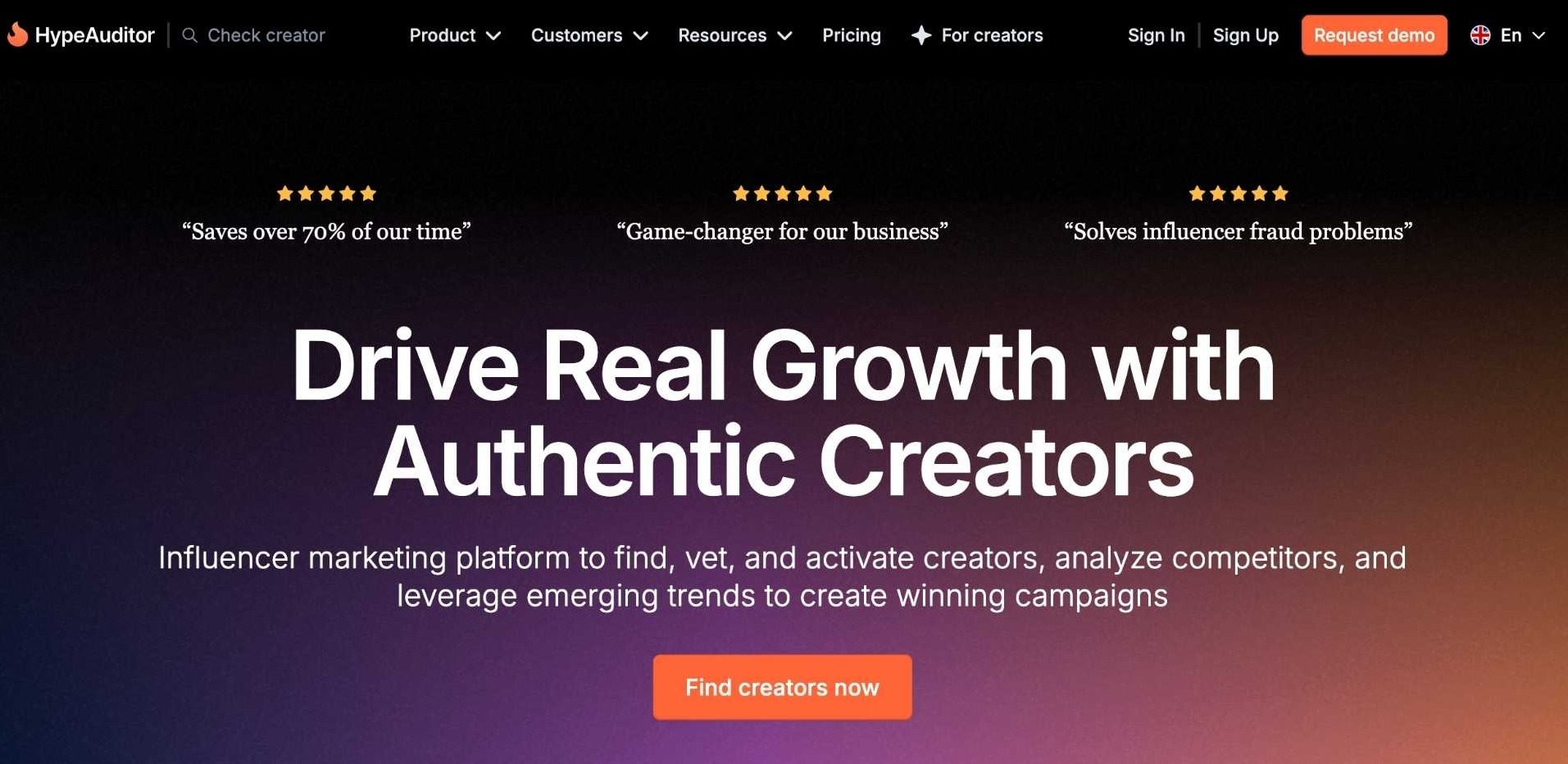
HypeAuditor ist eine Influencer-Marketing-Plattform für Marken und Agenturen, die Creator entdecken, Zielgruppen-Qualität überprüfen, Kampagnen verwalten und ROI aus einem System heraus messen möchten. Auf ihrer Website positioniert sich HypeAuditor als datengesteuerte Plattform für Influencer-Entdeckung, Analytics, Kampagnenverwaltung, CRM und Marktanalyse mit einer Creator-Datenbank von mehr als 223 Millionen Profilen und Unterstützung für wichtige Creator-Kanäle wie Instagram, TikTok, YouTube, Twitch und X.
Kernfunktionen
- Influencer-Entdeckung im großen Maßstab: HypeAuditor ermöglicht es Marken, eine Creator-Datenbank mit 223M+ Profilen zu durchsuchen und Ergebnisse mit detaillierten Filtern nach Zielgruppen-Demografie, Engagement, Authentizität, Geografie und Nischen-Passung einzugrenzen.
- Zielgruppen-Qualität und Betrugserkennung: Eine Kernstärke der Plattform ist die Überprüfung der Creator-Qualität vor der Budgetausgabe, wobei Metriken wie Zielgruppen-Qualität, Follower-Authentizität, Engagement und Account-Level-Analytics verwendet werden.
- KI-gestützte Nischen-Suche: HypeAuditor hat seine KI-Suche erweitert, um Bios, Bildunterschriften und visuellen Inhalt zu analysieren, damit Marken Creator in engeren Nischen finden können, ohne sich nur auf exakte Keyword-Übereinstimmungen zu verlassen.
- Ähnliche und verwandte Creator-Entdeckung: Die Plattform hilft Teams, ähnliche Creator wie bewährte Partner zu finden, was nützlich ist, wenn eine Kampagne skaliert wird, sobald ein Profil-Archetyp eine gute Leistung zeigt.
- Influencer-Outreach und CRM: HypeAuditor enthält einen integrierten Outreach-Workflow und Influencer-CRM, mit dem Teams Kontakte speichern, E-Mails personalisieren und Beziehungen verwalten können, ohne zwischen separaten Tools wechseln zu müssen.
- Kampagnenverwaltung: Marken können Briefs, Genehmigungen, Creator-Kommunikation, Vergütung und Kampagnen-Tracking innerhalb der Plattform verwalten, anstatt Tabellenkalkulationen und E-Mail-Threads zusammenzufügen.
- Content- und Leistungsverfolgung: HypeAuditor verfolgt Posts und Kampagnenaktivitäten und präsentiert wichtige Metriken durch Kampagnen-Reporting, einschließlich Analytics, die zahlende Campaign-Management-Benutzer jetzt in einigen Workflows ohne zusätzliche Report-Freischaltungen abrufen können.
- Zielgruppen-Überschneidungsanalyse: ```Sein Audience-Overlap-Bericht hilft Marken, die Einstellung mehrerer Creator zu vermeiden, die die gleichen Follower erreichen, was besonders für Awareness-Kampagnen nützlich ist, bei denen inkrementelle Reichweite wichtig ist.
- Media Monitor und Wettbewerbsintelligenz: HypeAuditors Media Monitor verfolgt brand-, konkurrenz- und schlüsselwortbasierte Content-Feeds über soziale Plattformen hinweg und hilft Teams, UGC zu identifizieren, Trends zu erkennen und kategoriebezogene Konversationen zu überwachen.
- Campaign Reporting und Exporte: Die Plattform unterstützt herunterladbare PDF- und PPTX-Exporte, was es einfacher macht, Kampagnenergebnisse in client-gerechte oder stakeholder-gerechte Berichte umzuwandeln.
- E-Commerce-Messung: HypeAuditor unterstützt Promo-Links, Product Seeding, Affiliate-Links und Revenue Tracking, sodass Influencer-Kampagnen an E-Commerce-Ergebnisse gebunden werden können, anstatt nur an Engagement-Metriken.
- API und Workflow-Automatisierung: Für Teams, die die Plattform erweitern möchten, bietet HypeAuditor eine API und eine Zapier-Integration, die sie mit Tausenden anderer Apps verbindet.
Preisgestaltung
HypeAuditor veröffentlicht kein vollständiges transparentes Preisraster auf seiner Hauptseite. Der offizielle Preisinhalt besagt, dass die Preisgestaltung an Nutzung und Vertragslaufzeit angepasst wird, wobei alle Pläne die Kernmodule enthalten, aber nach Nutzungsgrenzen variieren, anstatt dass harte Funktionsausschlüsse bestehen. Die derzeit sichtbare Planstruktur sieht folgendermaßen aus:
- Kostenloser Zugang / kostenlose Tools: HypeAuditor bietet einen kostenlosen Einstiegspunkt mit kostenlosen Media-Plänen, Campaign-Management, Demo-Zugang zu einigen Funktionen und mehr als 40 kostenlosen Tools wie Engagement-Checkern, Fake-Follower-Checks und Preisrechnern.
- Basic-Plan: Beginnt bei $299/Monat bei jährlicher Abrechnung, laut HypeAuditors eigenem Preis-Erklärer. Er bietet begrenzten Zugang zu Kerntools und wird für kleinere Teams oder Marken, die gerade anfangen, positioniert.
- Pro-Plan: Angebot auf Anfrage. HypeAuditor gibt an, dass Pro erweiterte Discovery-Filter, breitere Datenabdeckung und erweiterte Berichte wie Competitor Monitoring und Market Analysis freischaltet.
- Enterprise-Plan: Angebot auf Anfrage. HypeAuditor gruppiert Enterprise mit Pro für vollständige Datenabdeckung und erweiterte Grenzen, ausgerichtet auf größere Teams mit intensiverer Nutzung.
Ein Third-Party-Marketplace-Listing gibt auch einen Startpreis von $399 pro Benutzer/Monat an, was darauf hindeutet, dass reale Angebote je nach Paket, Arbeitsplätze oder Edition variieren können. Da HypeAuditors eigene Website Sales-geführt und angepasst ist, ist es am sichersten, die Preisgestaltung als angebotbasiert zu behandeln, anstatt als festgelegt.
Bewertungen
4,8/5,0 (Capterra)
Integrationen
- Shopify: Verbinden Sie Ihren Shop, um Product Seeding, Affiliate-Links und Promo-Codes an einem Ort nachzuverfolgen und Creator-Aktivitäten an Verkäufe zu knüpfen.
- WooCommerce: Nutzen Sie HypeAuditor, um Influencer-E-Commerce-Kampagnen mit Produktmustern, Affiliate-Tracking und Store-verknüpfter Leistungsmessung zu unterstützen.
- Magento: Synchronisieren Sie E-Commerce-Aktivitäten, sodass Teams Gifting, Links und Revenue Attribution in Campaign-Workflows verwalten können.
- PayPal: Zahlen Sie Creator in über 200 Ländern und 25 wichtigen Währungen, während Sie Rechnungs- und Auszahlungs-Workflows in HypeAuditor zentralisieren.
- Zapier: Verbinden Sie HypeAuditor mit über 5.000 Apps, um Reporting, CRM-Updates, Tabellen und andere Workflow-Übergaben zu automatisieren.
Vorteile
- Starke KI-gestützte Discovery für Nischen-Creator-Sourcing: Ihre KI-gestützte Nischensuche geht über einfache Schlüsselwörter hinaus, indem sie visuelle Inhalte und verwandte Begriffe analysiert, was sie besonders für Marken in engen Nischen nützlich macht, die genauere Creator-Matching benötigen.
- Nützliche Audience-Overlap-Analyse für intelligenters Media Planning: Der Audience-Overlap-Bericht hilft Teams, verschwendete Ausgaben zu reduzieren, indem er Creator mit weniger duplizierter Reichweite identifiziert, was ein wertvoller Differenzierungsfaktor für Awareness-fokussierte Kampagnen ist.
- Kürzliche Workflow-Verbesserungen verbessern Reporting und Automatisierung: Jüngste Platform-Updates fühlten PPTX-Exporte, breitere Campaign-Analytics-Zugang, Media Monitor und eine Zapier-Integration hinzu, was HypeAuditor für Teams, die Wert auf operative Effizienz legen, attraktiver macht, ebenso wie auf Creator-Überprüfung.
Häufige Nachteile von HypeAuditor
Die Preisgestaltung ist immer noch schwerer im Voraus zu bewerten als viele Self-Service-Tools
Die Preisgestaltung von HypeAuditor ist angepasst, und selbst mit dem neueren Preis-Erklärer benötigen Käufer häufig noch Unterstützung durch den Vertrieb, um ihre realen Kosten zu verstehen. Dies kann die Budgetplanung und den Anbietervergleich verlangsamen, besonders für kleinere Teams.
Kann für kleinere Marken teuer wirken
Öffentliche Bewertungszusammenfassungen deuten immer wieder auf Kosten als Hürde für kleine Unternehmen hin, besonders im Vergleich zu leichteren influencer-Tools.
Einige Daten- und Fit-Probleme treten in der Praxis immer noch auf
Eine wiederkehrende Beschwerde ist, dass Creator-Empfehlungen oder Profildaten nicht immer perfekt mit den angewendeten Filtern übereinstimmen, und einige Rezensenten weisen auch auf veraltete oder ungenaue Influencer-Informationen hin.
Berichtstiefe hat für einige Teams immer noch Lücken
Während Reporting einer der Verkaufsargumente von HypeAuditor ist, erwähnen Bewertungszusammenfassungen auch Einschränkungen wie fehlende manuelle Vertriebsverfolgung, begrenzte Analytics für einige Kontotypen oder Live-Stream-Anwendungsfälle, und Momente, in denen Campaign-Reporting immer noch mehr Flexibilität benötigt.
Die besten HypeAuditor-Alternativen
| TOOL | BEWERTUNGEN | BEST FÜR | TESTVERSION-INFO | PREISE | ||
|---|---|---|---|---|---|---|
1 |

|
⭐ | DTC Creator-Management | Demo buchen | Preise | Website |
2 |

|
⭐ | Influencer-Entdeckung | Demo buchen | Preise | Website |
3 |

|
⭐ | Enterprise influencer marketing | Demo buchen | Preise | Website |
4 |

|
⭐ | Influencer CRM & Automatisierung | Demo buchen | Preise | Website |
5 |

|
⭐ | Influencer Kampagnen & Daten-Analytics | Demo buchen | Preise | Website |
6 |
```html

|
⭐ | Influencer-Analytics & Discovery | Demo buchen | Preise | Website |
7 |

|
⭐ | UGC-Creator & Paid Social Ads | Demo buchen | Preise | Website |
8 |

|
⭐ | Datengestützte Influencer Discovery & Campaign-Analytics | Demo buchen | Preise | Website |
9 |

|
⭐ | Influencer Gifting & UGC-Kampagnen mit Micro-Influencern | Demo buchen | Preise | Website |
10 |

|
⭐ | Influencer-Kampagnen & Creator Marketplace | Demo buchen | Preise | Website |
1. GRIN
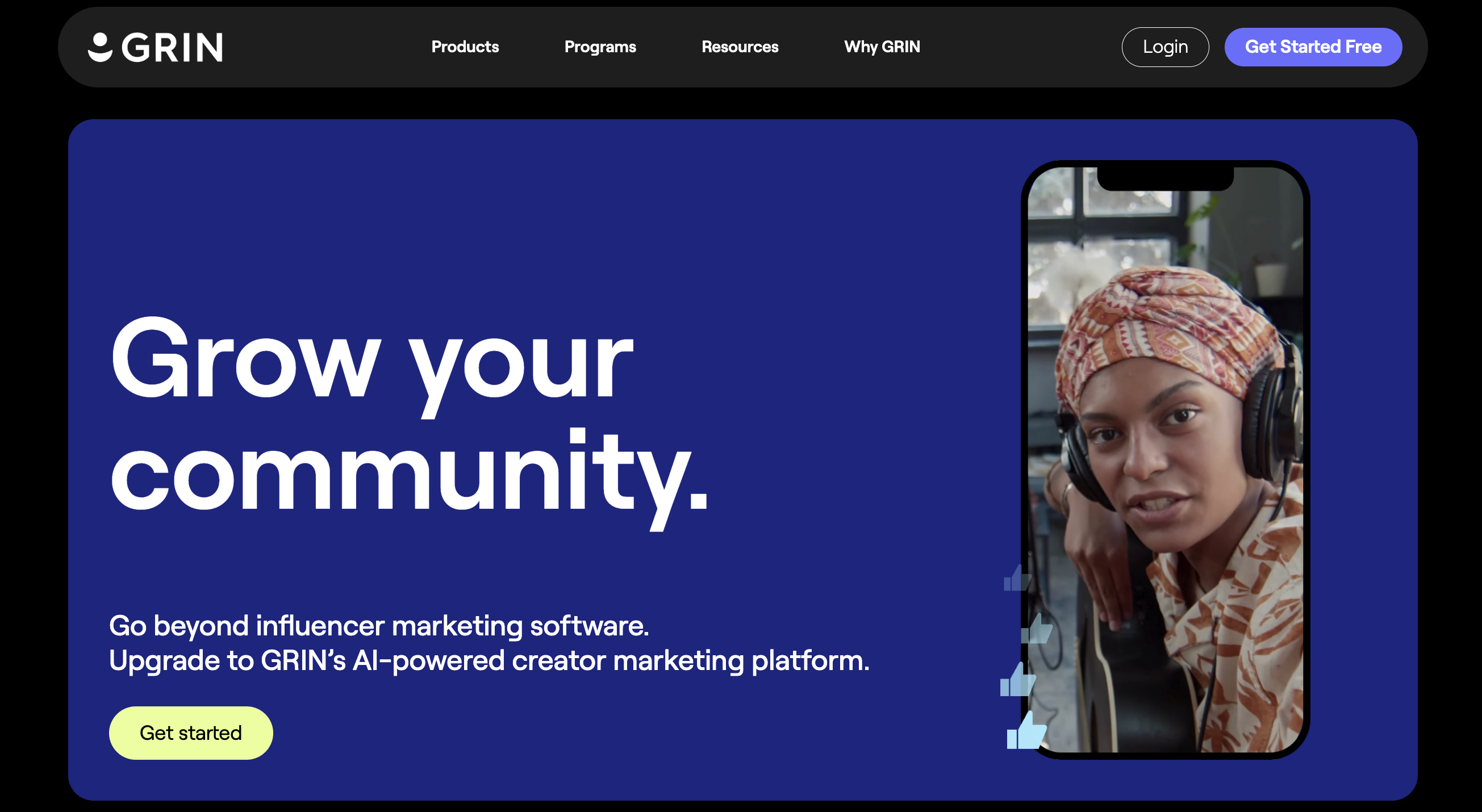
```GRIN ist eine All-in-One-Plattform zur Creator-Verwaltung, die hauptsächlich für DTC- und E-Commerce-Marken entwickelt wurde, um Creator-Discovery, Outreach, Gifting, Affiliate-Programme, Content-Collection und ROI-Tracking aus einem System heraus zu verwalten. Im Jahr 2026 hat sich GRIN zu einem zugänglicheren Self-Service-Modell mit kostenloser Testversion, Monatspreis und einer stärkeren KI-Schicht durch Gia, seinen Creator-Marketing-Assistenten, verschoben.
Wichtigste Funktionen
- Creator-Discovery und CRM: GRIN hilft Marken dabei, Creator zu finden, Beziehungshistorien zu speichern, Tags und Status zu verwalten und Verträge, Inhalte, Zahlungen und Leistung in einem Creator-CRM zu zentralisieren.
- Integrierter Outreach und E-Mail-Workflows: Teams können Creator-Kommunikation innerhalb von GRIN mit Vorlagen, automatisierten Sequenzen und verfolgten Öffnungen, Klicks und Antworten verwalten, anstatt sich auf separate Posteingang-Workflows zu verlassen.
- Produkt-Gifting und Seeding: GRIN verbindet Gifting mit E-Commerce-Operationen, sodass Marken Creator Produkte anfordern lassen, Fulfillment verfolgen und Versandstatus ohne Spreadsheets verwalten können.
- Affiliate- und Umsatztracking: Die Plattform kombiniert Creator-Discovery, Gifting, Link-Generierung, Provisionsabrechnung und Performance-Reporting in einem einzigen Affiliate-Workflow, was besonders für Marken nützlich ist, die die Umsatzauswirkungen messen.
- Content-Bibliothek und Genehmigungen: GRIN speichert Creator-Inhalte in einer zentralisierten Bibliothek, unterstützt Zusammenarbeit und Genehmigungen und macht es Teams leichter, Top-Performing-Assets über Kanäle hinweg zu nutzen.
- Gia KI-Assistent: GRIN startete Gia 2025 als einen KI-nativen Assistenten, der speziell für Creator-Marketer entwickelt wurde und bei Aufgaben in Discovery, Outreach und Workflow-Ausführung hilft.
- Programmverwaltung im großen Maßstab: GRIN ist so gebaut, dass es Influencer, Affiliates, Markenbotschafter und Customer-Creator auf einer Plattform verwaltet, anstatt Influencer-Marketing als separates Silo zu behandeln.
Preise
- Offizielles Preismodell: GRINs aktuelle Preisseite bewirbt eine 30-Tage-kostenlose Testversion und flexiblere Pakete als zuvor, einschließlich Self-Service-Zugang.
- Öffentliche Anfangspreis-Benchmark: Aktuelle Software-Verzeichnisse führen GRIN ab 999 USD/Monat auf, obwohl die Enterprise-Preisgestaltung immer noch basierend auf Funktionen und Programmgröße erheblich zu skalieren scheint.
- Enterprise-Benchmark-Preisgestaltung: Aktuelle Sales-Benchmarks und Produktübersichten zeigen, dass GRIN häufig bei 25.000 USD/Jahr (ca. 2.050 USD/Monat) beginnt, ohne Rabatte für Vorauszahlung. Verträge erfordern ein einjähriges Engagement mit monatlicher Abrechnung.
Bewertungen
4,5/5,0 (G2)
Vorteile
- Gia gibt GRIN eine stärkere KI-Geschichte als zuvor: Der Launch von Gia ist einer der klarsten Differenzierungsfaktoren von GRIN und positioniert es als eine KI-native Creator-Marketing-Plattform statt nur eines Workflow-Tools.
- Die Plattform ist zutiefst E-Commerce-zentrisch: GRINs stärkster Vorteil liegt darin, wie eng es Gifting, Affiliate-Links, Provisionsabrechnung und Creator-Management für Marken verbindet, die Produkte direkt online verkaufen.
- Aktuelle Preisänderungen senken die Eintrittsbarriere: Im Vergleich zu älteren Enterprise-Style-Verkaufsmotionen bietet GRIN nun sofortige Anmeldung, eine 30-Tage-kostenlose Testversion und Monatspläne an, was es flexibler macht als viele Legacy-Konkurrenten.
Nachteile
- Immer noch teuer, wenn Sie über den Trial-Zugang hinausgehen: Auch mit Self-Service-Preisgestaltung bleibt GRIN eine Premium-Plattform, wobei kostenpflichtige Pläne deutlich über leichteren Influencer-Tools beginnen.
- Es gibt immer noch eine Lernkurve im täglichen Gebrauch: Review-Seiten erwähnen weiterhin Navigationskomplexität, manuelle Status-Bearbeitung und operative Friktion um Creator-Lieferungen.
- Einige Teams berichten von Glitches und Workflow-Unebenheiten: Öffentliche Reviews erwähnen immer noch Bugs, Upload-Probleme und Plattformleistungsfrustration, besonders in komplexeren Programmen.
Integrationen
- Shopify: Verbinden Sie Ihren Store, um Gifting, Affiliate-Links, Creator-Umsatzverfolgung und E-Commerce-Attribution innerhalb von GRIN zu aktivieren.
- WooCommerce: Nutzen Sie WooCommerce zur Automatisierung von Produkt-Seeding, Rabattcodes und Creator-gesteuertem Verkaufstracking.
- PayPal: Zahlen Sie Creator direkt über die Plattform und halten Sie Provisionen oder Kampagnenzahlungs-Workflows zentralisiert.
- DocuSign: Verwalten Sie Creator-Verträge und Signaturerfassung ohne die Plattform zu verlassen.
- Slack:```html Erhalten Sie Benachrichtigungen über Creator-Aktivitäten und operative Updates in Slack, während Kampagnen voranschreiten.
HypeAuditor vs GRIN
HypeAuditor und GRIN überlappen sich bei Discovery, Analytics, CRM und Campaign Management, sind aber mit leicht unterschiedlichen Schwerpunkten aufgebaut. HypeAuditor ist stärker, wenn Audience Vetting, Betrugserkennung und Influencer-Analytik Priorität haben, während GRIN stärker in E-Commerce-Ausführung, Creator-Beziehungsmanagement, Gifting, Affiliate-Tracking und Revenue Attribution investiert. HypeAuditor bleibt auch bei der Preisgestaltung stärker vertriebsorientiert, während GRIN jetzt Self-Service-Onboarding, kostenlosen Testzugriff und monatliche Pläne anbietet.
Für DTC-Marken, die produktbasierte Kampagnen durchführen, fühlt sich GRIN normalerweise operativ besser integriert an, da es Creator-Workflows direkt mit Fulfillment, Affiliate-Links und Commission-Logik verbindet. HypeAuditor ist oft die bessere Wahl für Marken, denen Discovery-Präzision, Audience-Authentizität und Influencer-Qualitätsbewertung vor der Aktivierung am wichtigsten sind.
2. Upfluence
Upfluence ist eine Influencer- und Affiliate-Marketing-Plattform, die für Marken entwickelt wurde, die Creator entdecken, Affiliates akquirieren, Outreach verwalten, Gifting-Kampagnen durchführen und E-Commerce-gesteuerte ROI an einem Ort messen möchten. Die Positionierung ist besonders stark für E-Commerce-Marken, da sie Creator-Programme direkt mit Store-Daten und Kundendaten verbindet und kürzlich durch Jaice, ihren integrierten Campaign Copilot, weiter in KI-gestützte Workflows vorangetrieben hat.
Wichtigste Funktionen
- Creator-Discovery über große Kanäle: Upfluence bietet Creator-Suche mit Audience- und Performance-Daten, Lookalikes, Rekrutierungsseiten und gebrandete Suchen, um Teams schneller Partner zu finden.
- KI-gestützte Kampagnenerstellung mit Jaice: Upfluence betont jetzt Jaice AI für Kampagnenerstellung, Creator-Suche und personalisierte Outreach, um Teams dabei zu helfen, Programme schneller mit weniger manuellem Aufwand zu starten.
- Massen-Outreach und CRM-Tools: Die Plattform unterstützt Massen-Outreach, E-Mail-Templates, automatisierte Sequenzen in höheren Ebenen und integrierte CRM-Funktionen zur Verfolgung von Gesprächen und Kampagnenstatus.
- CMS und Customer Matching: Eine herausragende Funktion ist die Abstimmung von Creators mit Ihrer CRM oder E-Commerce-Kundenbasis, um Personen zu finden, die bereits von oder in Kontakt mit Ihrer Marke sind.
- E-Commerce-verbundene Gifting- und Affiliate-Workflows: Upfluence verbindet sich mit E-Commerce-Stacks, um Codes zu generieren, Verkäufe zu verfolgen, Produkte zu versenden und Affiliate-Kampagnen vom gleichen System aus durchzuführen.
- Marketplace und Rekrutierungsseiten: Marken können Creator-Programme veröffentlichen und Creator können sich bewerben. Dies ist nützlich, wenn Sie sowohl Outbound-Rekrutierung als auch eingehende Bewerbungen wünschen.
- Zahlungs- und Compliance-Tools: Höhere Ebenen fügen Creator-Auszahlungen, Multi-Währungs-Zahlungen, Rechnungsunterstützung und automatisierte Steuerformulare hinzu.
- Social Listening und Analytik: Upfluence umfasst Social Listening, Sales Analytics und Echtzeit-Kampagnendaten, um Creator-Aktivitäten mit Ergebnissen zu verbinden.
Preise
- Preismodell: Upfluence verwendet benutzerdefinierte Preise anstelle einer öffentlichen festen Plantabelle.
- Alle Pläne sind benutzerdefiniert. Sie müssen sich mindestens ein volles Jahr Service mit monatlichen Zahlungen verpflichten. Im Durchschnitt beginnen Pläne bei etwa 2.000 USD/Monat (24.000 USD pro Jahr)
Bewertungen
4,3/5,0 (Capterra)
Vorteile
- Jaice AI ist ein bedeutender aktueller Differenzierungsfaktor: Upfluence setzt stark auf Jaice als KI-Copilot für Creator-Suche, Kampagnenaufbau und personalisierte Outreach, anstatt KI nur auf Copy-Unterstützung zu begrenzen.
- Es ist eine der stärkeren E-Commerce-nativen Plattformen: Upfluences direkte Verbindungen zu Shopify, WooCommerce, Magento, BigCommerce und Amazon machen es besonders attraktiv für Marken, die Influencer-Marketing mit Sales Attribution verbinden möchten.
- Customer Matching ist ungewöhnlich wertvoll für DTC-Marken: Die Fähigkeit, einflussreiche Kunden zu identifizieren, die sich bereits in Ihrer CRM oder Store-Daten befinden, ist ein praktischer Vorteil, den viele konkurrierende Plattformen noch als Add-on oder Workaround behandeln.
Nachteile
``````html- Die Preisgestaltung ist immer noch eher vertriebsorientiert als transparent: Obwohl die Preisseite klarer ist als zuvor, müssen die meisten Teams immer noch mit dem Vertrieb sprechen, um ihre echten monatlichen Kosten zu verstehen.
- Einige Benutzer beschreiben die Plattform in einigen Bereichen immer noch als unhandlich: Das öffentliche Feedback erwähnt weiterhin eine Lernkurve, Reibung bei der Kampagnenbearbeitung und UI/Workflow-Awkwardness in intensiveren Anwendungsfällen.
- Eine jährliche Verpflichtung kann immer noch ein Nachteil sein: Upfluence ist besser geeignet für Marken, die bereit sind, in ein strukturierteres Programm zu investieren, anstatt für diejenigen, die nach leichten monatlichen Experimenten suchen.
Integrationen
- Shopify: Influencer an Kunden abgleichen, Produkte versenden, Codes generieren und Verkäufe direkt der Creator-Aktivität zuordnen.
- Amazon Attribution: Führen Sie Amazon-fokussierte Creator-Kampagnen durch und verbinden Sie die Affiliate-Leistung wieder mit zurechenbaren Verkäufen.
- Klaviyo: Identifizieren Sie einflussreiche Abonnenten in Ihren E-Mail-Listen und aktivieren Sie sie für Creator- oder Affiliate-Kampagnen.
- Stripe: Nutzen Sie Upfluence Pay powered by Stripe, um Transaktionen zu verfolgen und Creator zu bezahlen.
- Hootsuite: Pushen Sie Creator-Inhalte in Hootsuite-Workflows als Teil von Social-Content-Operationen.
HypeAuditor vs Upfluence
HypeAuditor und Upfluence bieten beide Creator Discovery, Outreach, CRM und Kampagnenmessung, aber sie priorisieren unterschiedliche Dinge. HypeAuditor ist bekannter für Analyse-Tiefe, Publikumsqualitätsprüfungen und die Überprüfung von Influencern vor der Aktivierung, während Upfluence aggressiver auf die E-Commerce-Ausführung, Customer Matching, Gifting und affiliate-gesteuerte Verkäufe ausgerichtet ist. Upfluence hat auch eine klarere Commerce-Stack-Geschichte durch Shopify, Amazon und angrenzende Shop-Integrationen.
Ein weiterer großer Unterschied ist die Workflow-Richtung. HypeAuditor wirkt mehr wie Discovery-and-Analysis First, während Upfluence mehr wie eine Commerce-Growth-Engine gebaut ist, die zufällig Creator-Programme durchführt. Marken, die sich auf Affiliate-Expansion, Customer-as-Creator-Recruiting und Sales Attribution konzentrieren, tendieren oft zu Upfluence, während Marken, die Creator-Überprüfung und Betrugsprävention priorisieren, möglicherweise immer noch HypeAuditor bevorzugen.
3. CreatorIQ

CreatorIQ ist eine Enterprise-Creator-Marketing-Plattform, die für große Marken entwickelt wurde, die Governance, Workflow-Kontrolle, Compliance, Brand Safety und umfangreiche Berichte über komplexe Creator-Programme benötigen. Das Unternehmen positioniert sich als System für „Creator-Led Growth" und nicht nur für Influencer-Kampagnenmanagement, das KI-gestützte Intelligenz, Enterprise-Kontrollen und systemübergreifende Integrationen für globale Teams kombiniert.
Wichtigste Funktionen
- Enterprise-Grade-Creator-Discovery: CreatorIQ unterstützt öffentliche Creator-Suche, semantische Suche, umfangreiche Filterung, Publikumserkenntnisse und direkte Integrationen mit großen Social-Media-Plattformen für zuverlässigere Analysen.
- Strukturiertes Creator-CRM: Teams können Creator taggen, Notizen führen, vergangene Programme verfolgen, Genehmigungen organisieren und Kommunikation in einer Governance-intensiven CRM-Umgebung verwalten.
- Kampagnen-Setup und Genehmigungsworkflows: CreatorIQ unterstützt vorlagengestützte Kampagnenerstellung, Creator-spezifische Liefergegenstände, Briefs, Genehmigungen und teilbare One-Sheet-Überprüfungen für Stakeholder.
- Globale Zahlungen und Compliance: Die Plattform umfasst Zahlungsabwicklung, Unterstützung bei der Steuerdokumentation und administrative Kontrollen, die besonders für internationale Programme nützlich sind.
- Benutzerdefinierte Dashboards und Reporting: CreatorIQ ist eine der stärkeren Reporting-Plattformen in der Kategorie, mit Live-Dashboards, executive-freundlichen Berichten und Enterprise-Grade-Datenaustauschfunktionen.
- ExchangeIQ-Integrationen und API-Konnektivität: Seine ExchangeIQ-Schicht hilft Teams, Creator-, Kampagnen-, Verkaufs- und Zuordnungsdaten in CRMs, BI-Tools und interne Systeme zu synchronisieren.
- Brand Safety und Governance: CreatorIQ betont Always-On-Brand-Safety, Benutzerberechtigungen, Zugriffskontrolle und Compliance-Workflows mehr als die meisten Mid-Market-Plattformen.
- Creator Connect und Inbound-Recruiting: CreatorIQ unterstützt auch Branded-Signup-Erlebnisse, mit denen Creator sich direkt in das Ökosystem einer Marke anmelden können. ``````html
Preise
Es gibt verschiedene Pläne:
- Basic Plan: Beginnt bei $35.000/Jahr. Umfasst 1.000 Kontakt-Creator pro Monat
- Standard Plan: Beginnt bei $50.000/Jahr. Umfasst 2.500 Kontakt-Creator pro Monat
- Professional Plan: Beginnt bei $90.000/Jahr. Umfasst 5.000 Kontakt-Creator pro Monat
- Enterprise Plan: Beginnt bei $200.000/Jahr. Umfasst 7.500 Kontakt-Creator pro Monat
Bewertungen
4,4/5,0 (Capterra)
Vorteile
- Sprinklr-Integration stärkt sein Enterprise-Reporting-Angebot: CreatorIQ hebt jetzt aktiv seine Sprinklr-Integration hervor, um Owned-, Earned-, Paid- und Creator-Reporting in einer Messumgebung zu vereinen.
- ExchangeIQ ist ein echter Enterprise-Differenzierungsfaktor: CreatorIQ zeichnet sich dadurch aus, wie gut es Creator-Daten in BI-Tools, Reporting-Systeme und interne Workflows übertragen kann, was für globale Marken viel wichtiger ist als oberflächliche Creator-Suche allein.
- Governance und Compliance sind reifer als bei den meisten Konkurrenten: Zugriffskontrolle, Zahlungsverwaltung, Brand Safety und Enterprise-Workflow-Struktur machen CreatorIQ besonders stark für komplexe Organisationen und regulierte Kategorien.
Nachteile
- Es ist teuer und Enterprise-lastig: CreatorIQ liegt normalerweise außerhalb der Reichweite kleinerer DTC-Teams, sowohl bei den jährlichen Ausgaben als auch bei der Implementierungskomplexität.
- Die Plattform kann sich komplex in der Bedienung anfühlen: Bewertungen erwähnen regelmäßig eine Lernkurve und tägliche Komplexität im Vergleich zu schneller bewegenden Mid-Market-Tools.
- Einige Nutzer wünschen sich noch aktuellere oder flexiblere Reporting-Möglichkeiten in Teilen des Produkts: Trotz insgesamt starker Analytics erwähnen öffentliche Bewertungen noch gelegentlich Probleme mit Datenfriendlichkeit und Reporting-Einschränkungen.
Integrationen
- Sprinklr: Vereinen Sie Creator-Reporting mit Owned-, Earned- und Paid-Social-Measurement innerhalb eines breiteren Enterprise-Social-Stack.
- Shopify: Verbinden Sie Gifting- und Commerce-Daten mit Creator-Workflows und Reporting.
- Google Analytics: Kombinieren Sie Kampagnenleistung mit Website- und Attribution-Daten für stärkeres ROI-Reporting.
- DocuSign: Verwalten Sie Verträge und Signaturs-Workflows mit weniger manueller Rechtskoordination.
- Tableau: Exportieren und analysieren Sie Creator-Daten in umfassenden Business-Intelligence-Umgebungen.
HypeAuditor vs CreatorIQ
HypeAuditor und CreatorIQ sprechen beide anspruchsvolle Teams an, sind aber auf unterschiedliche Betriebsmodelle ausgerichtet. HypeAuditor ist zugänglicher für Marken, die starke Discovery, Authentizitäts-Scoring und Kampagnen-Analytics ohne sofortigen Umstieg in ein vollständiges Enterprise-Betriebssystem wünschen. CreatorIQ hingegen ist für große Organisationen konzipiert, die funktionsübergreifende Governance, fortschrittliches Reporting, Integrationen und multinationalen Programm-Überblick benötigen.
In der Praxis ist HypeAuditor oft die einfachere Wahl für Marken, die sich auf Influencer Intelligence und Aktivierung konzentrieren, während CreatorIQ die bessere Lösung ist, wenn influencer marketing in Finance-, Legal-, BI- und Enterprise-Reporting-Infrastruktur integriert werden muss. CreatorIQ liegt auch tendenziell bei einem deutlich höheren jährlichen Ausgabenniveau.
4. Influencer Hero

Influencer Hero ist eine All-in-One-Influencer-Marketing-Plattform, die eCommerce- und DTC-Marken hilft, Discovery, Outreach, CRM, Gifting, Affiliate-Tracking, UGC-Erfassung und Performance-Reporting von einem Ort aus durchzuführen. Die Positionierung der Plattform ist besonders stark für Marken, die flexible Preisgestaltung, KI-gestützte Workflows und engere Integration zwischen Creator-Kampagnen und Store-Umsatz wünschen.
Wichtigste Funktionen
- Influencer-Discovery über ein breites Plattform-Set: Influencer Hero unterstützt Creator-Discovery mit Filtern für Zielgruppe, Demografie, Engagement, gefälschte Follower und Lookalike-Matching über große soziale Kanäle hinweg.
- KI-gestützte Outreach und Workflow-Automatisierung: ```The platform includes AI-assisted search, smart outreach copy, automated follow-ups, and structured dealflow boards to help teams manage large creator pipelines.
- Campaign-centric CRM: One of its clearest strengths is an influencer CRM built around campaign stages, approvals, deliverables, and bulk actions rather than just static creator records
- Gifting workflows: Streamline product seeding with automated order creation, shipping, and delivery tracking.
- Campaign analytics & ROI tracking: Monitor performance across engagement, clicks, conversions, and revenue with real-time reporting dashboards
- UGC tracking and content library: Influencer Hero collects creator posts, stores approved content, and makes assets easy to reuse for ads or other channels.
- Affiliate and payout management: Brands can generate affiliate links and discount codes, track conversions, and automate payouts from the same platform.
- Creator storefronts and application pages: Influencer Hero supports branded creator application pages and storefront-style commerce flows, which is still relatively uncommon in this category.
- API and integration layer: The platform offers API access and a growing integrations library for ecommerce, email, contracts, and customer service tools.
- eCommerce integrations: Sync with platforms like Shopify and WooCommerce to connect influencer activity directly to sales
Preise
Influencer Hero offers flexible pricing based on outreach volume and you can have unlimited creators in your CRM:
- Standard — $649/month (up to 1,000 outreach messages per month)
- Pro — $1,049/month (up to 5,000 outreach messages per month)
- Business — $2,490/month (up to 10,000 outreach messages per month)
- Custom / Agency — Tailored pricing
Custom pricing is available for agencies and larger teams
Bewertungen
4.9/5.0 (Capterra)
Vorteile
- AI-powered workflows built for scale: Influencer Hero streamlines the full campaign lifecycle—from discovery to outreach—with automation, predictive scoring, and smart campaign suggestions, helping teams reduce manual work without losing control.
- Highly personalized outreach at volume: AI-enhanced email flows and automated follow-ups generate messages that feel tailored and relevant, improving reply rates, conversions, and long-term creator relationships.
- Storefronts are a standout differentiator: Influencer Hero has leaned into creator storefronts as an ongoing affiliate and retention mechanism, which gives it a more commerce-native angle than many traditional influencer CRMs.
Nachteile
- No free trial: Makes it harder for teams to evaluate the platform before committing
- Higher pricing for smaller teams: May be less accessible for early-stage brands or those with limited budgets
- Steep learning curve: Feature depth means onboarding and setup can take time
Integrationen
- Shopify: Send products, generate codes and affiliate links, and track creator-driven sales from your store.
- WooCommerce: Track affiliate sales and create discount codes for WooCommerce-based creator programs.
- Klaviyo: Identify influencers inside your contacts and export influencer profiles into Klaviyo workflows.
- Gorgias: Show whether a support ticket is coming from an influencer directly inside your customer support workflow.
- Zapier: Connect Influencer Hero to thousands of other apps and automate influencer workflows across the stack.
HypeAuditor vs Influencer Hero
HypeAuditor and Influencer Hero differ most in where they place their emphasis. HypeAuditor is more analytics- and vetting-led, with strong positioning around fraud detection, influencer quality scoring, and discovery intelligence. Influencer Hero is more execution-led, built around campaign CRM, outreach automation, gifting, affiliate tracking, storefronts, and ecommerce-linked reporting.
Ein weiterer praktischer Unterschied ist die Preisgestaltung und Flexibilität. Influencer Hero veröffentlicht transparente Stufen und kürzere Verpflichtungszeiträume, während HypeAuditor eher angebotsorientiert und nutzungsgesteuert bleibt. Für Marken, die einen hochgradig operativen Creator-Growth-Stack möchten, ist Influencer Hero oft die praktischere Option; für Marken, denen es vor allem um die Bewertung der Creator-Qualität vor dem Ausgeben geht, hat HypeAuditor immer noch die stärkere Analytics-First-Identität.
5. NeoReach
NeoReach ist eine Enterprise-Influencer-Marketing-Plattform und Managed-Services-Unternehmen, das Software, Kampagnenausführung, bezahlte Medien, Betrugserkennung und API-Zugriff für große Marken und Agenturen kombiniert. Seine öffentliche Positionierung konzentriert sich stark auf skalierbare Enterprise-Kampagnen, erweiterte Zielgruppenanalytics und benutzerdefinierte Datenkonnektivität statt auf leichte Self-Service-Creator-Verwaltung.
Wichtigste Funktionen
- Influencer Discovery und Kampagnenverwaltung: NeoReach unterstützt Creator-Suche, Kampagnenplanung, Influencer-Beziehungsmanagement und Tracking für Multi-Kampagnen-Programme.
- Erweiterte Zielgruppen- und demografische Filterung: Die Plattform ist für präzises Targeting konzipiert, mit umfangreichen Suchfiltern und einer starken Analytics-Schicht rund um Zielgruppenpassung und Leistung.
- Betrugserkennung: NeoReach betont öffentlich die KI-basierte Betrugserkennung, um verdächtige Follower, Engagement und betrügerische Social-Media-Aktivitäten zu identifizieren, bevor Marken investieren.
- API-Zugriff für Enterprise-Teams: Einer seiner klarsten Unterscheidungsmerkmale ist der API-Zugriff, mit dem Marken NeoReach-Daten in interne Systeme, Dashboards und proprietäre Workflows einbinden können.
- Projektion und Leistungsberichterstattung: NeoReach unterstützt KPI-Dashboards, exportierbare Berichte, ROI-Überwachung und Leistungsprognosen über seinen Influencer-Projektionsrechner und Reporting-Tools.
- Managed Services und bezahlte Amplifikation: Im Gegensatz zu Software-Only-Konkurrenten bietet NeoReach auch vollständig verwaltete Kampagnenservices, Produktversandlogistik und bezahlte Social-Amplifikation an.
- UGC- und Product-Seeding-Support: Das Unternehmen vermarktet Produktversand, Verteilung, UGC-Erstellung und Content-Amplifikation als Teil umfassenderer Kampagnenservices.
Preise
NeoReach verwendet benutzerdefinierte Enterprise-Preise auf seiner offiziellen Preisseite und veröffentlicht kein vollständiges natives Plangitter mit benannten Paketen und festen öffentlichen Sätzen. Das Unternehmen trennt stattdessen sein Angebot in Influencer Campaigns und Platform & API, beide werden durch anpassbare Lösungen für Marken und Agenturen verkauft.
Ein paar Drittanbieter-Marktplätze listen einen Startpreis von etwa 399 $ pro Benutzer/Monat auf, aber die offizielle Positionierung von NeoReach ist eindeutig Enterprise und anpassbar, daher sollte diese Zahl eher als Marktplatz-Benchmark behandelt werden als als bestätigte öffentliche Listensätze von NeoReach.
Bewertungen
4,5/5,0 (G2)
Vorteile
- Ihre API- und Enterprise-Datenkonnektivitäts-Geschichte sind stärker als bei den meisten Konkurrenten: NeoReach ist ungewöhnlich transparent zu API-First-Use-Cases und zur Integration von 400+ benutzerdefinierten Datenpunkten in interne Tools und Workflows.
- Betrugserkennung ist eine Kern-Produkt-Säule: Während viele Plattformen Authentizität erwähnen, vermarktet NeoReach Betrugserkennung aktiv als erstklassige Fähigkeit für Enterprise-Käufer.
- Es verbindet Software mit verwalteter Ausführung: NeoReach sticht dadurch hervor, dass es Plattformzugriff, Kampagnenstrategie, Logistik, Content-Erstellung, bezahlte Amplifikation und Reporting unter einem Dach kombiniert.
Nachteile
- Die Preisgestaltung ist undurchsichtig, es sei denn, Sie kontaktieren den Vertrieb: NeoReachs offizielle Preisgestaltung bleibt angepasst und Enterprise-orientiert, was schnellere Vergleiche für kleinere Teams erschwert.
- Die Plattform scheint eher auf große Marken als auf schlanke DTC-Teams ausgerichtet zu sein: Das Messaging, der API-Fokus und die verwaltete Servicestruktur deuten alle auf eine bessere Eignung für komplexe Organisationen als für kleinere interne Programme hin.
- Öffentliche Bewertungen erwähnen immer noch Usability-Reibung: Einige Benutzer bemerken eine unhandliche Oberfläche, langsames Laden und weniger als ideale Suchfilterung in der Praxis.
Integrationen
NeoReach bewirbt nicht öffentlich einen so breiten Katalog benannter nativer Integrationen wie einige Konkurrenten, aber Ihre wichtigsten Konnektivitätsoptionen sind:
- NeoReach API: Leiten Sie Kampagnen-, Zielgruppen- und Influencer-Daten in Ihre internen Tools, BI-Umgebungen und Dashboards.
- Interne BI / Dashboards: NeoReach unterstützt ausdrücklich die Integration von Plattformdaten in interne Reporting- und Analysebumgebungen für Enterprise-Teams.
- CSV-Exporte: Exportieren Sie KPI-Dashboards und Influencer-Daten für externe Berichte, Tabellenkalkulationsanalysen und das Teilen mit Stakeholdern.
- Paid-Social-Plattformen: NeoReach bietet eine bezahlte Verstärkung von Influencer-Inhalten auf Facebook, Instagram, TikTok, Snapchat und verwandten Werbeumgebungen.
- Creator-Zahlungsinfrastruktur: NeoReach bietet auch globale automatisierte Creator-Zahlungen als Teil Ihres Enterprise-Plattform-Stacks.
HypeAuditor vs NeoReach
HypeAuditor und NeoReach sind beide glaubwürdige Optionen für datengesteuerte Influencer-Programme, aber sie gehen unterschiedliche Wege, um dorthin zu gelangen. HypeAuditor konzentriert sich stärker auf Influencer-Analytik, Authentizitätsbewertung, Discovery und Kampagnen-Tools in einem traditionellen Software-Workflow. NeoReach wirkt unternehmensorientierter mit stärkerer Betonung auf verwaltete Dienstleistungen, benutzerdefinierte Dateninfrastruktur, API-Zugriff, Betrugserkennung und bezahlte Verstärkung.
Für Marken, die eine eigenständige Plattform mit starker Creator-Überprüfung und Kampagnen-Tools wünschen, ist HypeAuditor normalerweise die einfachere Wahl. Für Unternehmen, die Software und Dienstleistungen, interne Datenintegrationen, Unterstützung für bezahlte Medien und benutzerdefinierte Bereitstellungsoptionen wünschen, kann NeoReach die bessere strategische Lösung sein.


6. Lefty
Lefty ist eine Influencer-Marketing-Plattform, die sich auf Brand Discovery, Campaign Management und Performance Analytics konzentriert und dabei großen Wert auf Brand Safety, Competitive Benchmarking und Influencer Relationship Management legt. Sie wird häufig von mittelständischen und Enterprise-Marken verwendet, die nach strukturierten Campaign-Workflows und detaillierten Berichten über verschiedene Social-Media-Plattformen suchen.
Wichtigste Funktionen
- Influencer Discovery mit erweiterten Filtermöglichkeiten: Lefty ermöglicht es Marken, Influencer auf Basis von Zielgruppen-Demografie, Engagement, Geografie, Interessen und Inhaltstyp zu suchen und relevante Creator zu finden.
- Campaign-Management-Workflows: Teams können Kampagnen end-to-end verwalten, einschließlich Creator-Auswahl, Kommunikation, Lieferumfang und Genehmigungen über ein zentrales Dashboard.
- Performance Analytics und Benchmarking: Lefty bietet detaillierte Campaign Analytics und Benchmarking gegen Konkurrenten, um Marken dabei zu helfen, Influencer-Leistung zu bewerten und zukünftige Kampagnen zu optimieren.
- Brand-Safety- und Compliance-Monitoring: Die Plattform umfasst Tools zur Bewertung von Influencer-Content-Risiken und stellt sicher, dass die Ausrichtung mit Brand-Werten gegeben ist und das Reputationsrisiko reduziert wird.
- Competitor Tracking: Marken können Competitor-Kampagnen, Influencer-Partnerschaften und Content-Trends überwachen, um ihre Strategie zu informieren.
- Content Tracking und Reporting: Verfolgt Erwähnungen, Hashtags und Campaign-Content-Leistung über Plattformen hinweg, um Engagement und ROI zu messen.
Preisgestaltung
- Startpreis: ca. €590 pro Monat.
- Pro-Plan: ca. €990/Monat, einschließlich 2 Benutzer, 5 Kampagnen und unbegrenzten Berichten.
- Premium-Plan: ca. €1.690/Monat, mit zusätzlichem dedizierten Manager.
- Premium+-Plan: ca. €3.490/Monat für 10 Benutzer und 25 Kampagnen.
Bewertungen
4,7/5,0 (G2)
Vorteile
- Starke Competitive-Benchmarking-Tools: Lefty zeichnet sich dadurch aus, dass es Marken Einblick in Competitor-Kampagnen und Influencer-Partnerschaften gibt und dabei hilft, die Strategie zu informieren.
- Fokus auf Brand Safety: Das integrierte Risiko- und Compliance-Monitoring ist robuster als bei vielen Mittelstands-Tools.
- Ausgewogene Analytics + Workflow-Fähigkeiten: Kombiniert Campaign Management mit solidem Performance Reporting und macht es für strukturierte Teams wertvoll.
Nachteile
- Begrenzte Preistransparenz: Erfordert Verkaufsgespräche, um Kosten und Planstruktur zu verstehen.
- Feedback zu UI und Benutzerfreundlichkeit kann gemischt sein: Einige Nutzer berichten von Navigationsproblemen und langsameren Workflows.
- Weniger E-Commerce-nativ als einige Konkurrenten: Im Vergleich zu Tools wie GRIN oder Upfluence ist der Fokus auf direkter Sales Attribution weniger ausgeprägt.
Integrationen
- Instagram: Verfolgen Sie Influencer-Content-Leistung, Engagement und Erwähnungen direkt.
- TikTok: Analysieren Sie Creator-Kampagnen und überwachen Sie die Short-Form-Content-Leistung.
- YouTube: Messen Sie Long-Form-Video-Kampagnen und Influencer-Reichweite.
- Google Analytics: Verbinden Sie Campaign-Leistung mit Website-Traffic und Conversions.
- CSV/Reporting-Exporte: Exportieren Sie Campaign-Daten für externe Analyse und Reporting.
HypeAuditor vs. Lefty
HypeAuditor und Lefty betonen beide Influencer Discovery und Analytics, unterscheiden sich aber in Tiefe und Fokus. HypeAuditor ist stärker in der Zielgruppen-Qualitätsanalyse, Betrugserkennung und Influencer-Überprüfung, während Lefty mehr auf Campaign-Workflows, Competitor Benchmarking und Brand-Safety-Monitoring setzt.
HypeAuditor ist typischerweise datengeladener und Analytics-First, während Lefty eine ausgewogenere Mischung aus Analytics und Campaign Management bietet. Marken, die Wert auf Influencer-Authentizität und -Überprüfung legen, bevorzugen möglicherweise HypeAuditor, während diejenigen, die Competitive Insights und strukturierte Campaign-Workflows benötigen, Lefty als praktischer empfinden könnten.
7. Insense
Insense ist eine Creator-Marketing-Plattform, die für Marken entwickelt wurde, die UGC- und Paid-Social-Kampagnen durchführen, besonders auf Meta und TikTok. Sie konzentriert sich darauf, Marken dabei zu helfen, Creator zu finden, Inhalte zu generieren und Paid Ads mit von Influencern produzierten Assets zu skalieren, anstatt nur traditionelle Influencer-Zusammenarbeiten durchzuführen.
Wichtige Funktionen
- Creator-Marketplace für UGC: Marken können Briefings posten und Bewerbungen von Creatorn erhalten, was es einfach macht, UGC schnell zu beschaffen.
- Anzeigenfertige Inhaltsproduktion: Insense konzentriert sich auf die Produktion von Inhalten speziell für Paid-Social-Anzeigen, nicht nur auf organische Influencer-Beiträge.
- Automation des Kampagnenablaufs: Verwalten Sie Briefings, Genehmigungen, Messaging und Lieferumfänge in einem strukturierten Kampagnen-Dashboard.
- Bezahlte Medien-Verstärkung: Marken können Creator-Inhalte direkt in Meta-Anzeigen push und die Leistung optimieren.
- Performance Analytics: Verfolgen Sie die Inhaltsleistung über Paid- und Organic-Kanäle hinweg, einschließlich Engagement- und Conversions-Metriken.
- Creator-Whitelist: Ermöglichen Sie Creatorn, Anzeigen von ihren eigenen Handles aus zu schalten, um die Anzeigenleistung und Authentizität zu verbessern.
Preise
- Testversion: ab $650/Monat, mit der Möglichkeit, auf einen vierteljährlichen Plan zu aktualisieren.
- Brand-Plan: ab $500/Monat monatlich abgerechnet oder $400/Monat jährlich abgerechnet.
- Agentur-Plan: ab $800/Monat monatlich abgerechnet oder $640/Monat jährlich abgerechnet.
- Self-Service-Pläne verlängern sich automatisch alle 3 Monate bei vierteljährlicher Abrechnung, und Creator-Zahlungen werden separat über ein Marketplace-Gebührenmodell budgetiert.
Bewertungen
4,5/5,0 (G2)
Vorteile
- Starker UGC- + Paid-Ads-Fokus: Insense ist eine der besten Plattformen für Marken, die Anzeigen-Kreatives über traditionelle Influencer-Kampagnen priorisieren.
- Schnelle Creator-Beschaffung über Marketplace: Das Inbound-Anwendungsmodell beschleunigt Kampagnenstarts erheblich.
- Whitelist- und Anzeigenintegrations-Funktionen: Ermöglicht bessere Leistung für Paid-Social-Kampagnen mit Creator-Inhalten.
Nachteile
- Begrenzte Fokussierung auf langfristige Influencer-Beziehungen: Eher optimiert für kurzfristige Inhaltsproduktion als für laufende Partnerschaften.
- Weniger robuste Analytics im Vergleich zu Enterprise-Tools: Reporting konzentriert sich mehr auf Kampagnen-Outputs als auf umfassende Zielgruppen-Erkenntnisse.
- Kleinere Datenbank im Vergleich zu Discovery-First-Plattformen: Discovery ist eher Marketplace-gesteuert als Datenbank-gesteuert.
Integrationen
- Meta (Facebook & Instagram Ads): Starten und optimieren Sie Paid Campaigns mit Creator-Inhalten.
- TikTok Ads: Führen Sie Creator-generierte Anzeigen direkt auf TikTok aus.
- Shopify: Verfolgen Sie Conversions und verbinden Sie Kampagnen mit E-Commerce-Leistung.
- Google Analytics: Messen Sie Traffic und Conversions-Auswirkungen von Kampagnen.
- Slack: Erhalten Sie Updates und Benachrichtigungen zum Kampagnenfortschritt.
HypeAuditor vs Insense
HypeAuditor und Insense erfüllen sehr unterschiedliche Anwendungsfälle. HypeAuditor wurde für Influencer-Entdeckung, Analytics und Kampagnenverwaltung entwickelt, während Insense sich auf UGC-Erstellung und Paid-Ad-Leistung konzentriert.
Wenn das Ziel einer Marke darin besteht, Influencer zu überprüfen, Zielgruppen zu analysieren und strukturierte Kampagnen durchzuführen, ist HypeAuditor die bessere Wahl. Wenn das Ziel darin besteht, hochperformante Anzeigen-Kreatives schnell zu produzieren und Paid-Social-Kampagnen zu skalieren, ist Insense erheblich besser geeignet.
8. Kolsquare

Kolsquare ist eine europäische Influencer-Marketing-Plattform, die Influencer-Entdeckung, Kampagnenverwaltung und fortgeschrittene Analytics kombiniert, mit starkem Fokus auf Datentransparenz, ROI-Messung und Compliance. Sie ist besonders beliebt bei Agenturen und Marken, die auf dem EMEA-Markt tätig sind.
Wichtige Funktionen
```html- Influencer Discovery mit globaler Datenbank: Kolsquare bietet eine große Influencer-Datenbank mit Filtern für Zielgruppendaten, Engagement und Nischen-Targeting.
- Advanced Analytics und ROI-Tracking: Bietet detaillierte Kampagnen-Analytics, Earned Media Value (EMV) und ROI-Messinstrumente.
- Campaign Management Workflows: Verwalten Sie Influencer-Auswahl, Kommunikation, Leistungen und Genehmigungen auf einer Plattform.
- Compliance und Datentransparenz: Betont GDPR-Compliance und transparente Datenerfassung, besonders für europäische Märkte.
- Social Listening und Trend-Analyse: Überwachen Sie Markenerwähnungen, Hashtags und Influencer-Aktivitäten über Social-Media-Plattformen.
- Benchmarking-Tools: Vergleichen Sie Kampagnenperformance mit Branchenbenchmarks und Konkurrenten.
Preise
- Discovery: ab €500/Monat.
- Listening: individuelle Preisgestaltung.
- Enterprise: individuelle Preisgestaltung.
- Die Preisgestaltung von Kolsquare wird als flexibel und maßgeschneidert beschrieben, mit Spezialpreisen für einige Nonprofit-Organisationen, B Corps und Early-Stage-Unternehmen.
Bewertungen
4,5/5,0 (G2)
Stärken
- Starker Fokus auf Compliance und Datentransparenz: Besonders wertvoll für Marken, die in reglementierten oder europäischen Märkten tätig sind.
- Solide Analytics und ROI-Messung: EMV und Performance-Tracking sind im Vergleich zu vielen Mid-Market-Tools gut entwickelt.
- Ausgewogene Plattform über Discovery und Campaign Workflows: Deckt den gesamten Lebenszyklus ab, ohne zu komplex zu sein.
Schwächen
- Preisgestaltung erfordert Vertriebskontakt: Keine öffentlichen Preise erschweren Vergleiche.
- Weniger Fokus auf E-Commerce-Integrationen: Im Vergleich zu Plattformen wie Upfluence oder GRIN.
- Kleineres Ökosystem im Vergleich zu US-amerikanischen Enterprise-Tools: Etwas geringere Feature-Expansion in einigen Bereichen.
Integrationen
- Instagram: Verfolgen Sie Influencer-Performance und Engagement-Metriken.
- TikTok: Analysieren Sie Kampagnenperformance und Creator-Inhalte.
- YouTube: Messen Sie Reichweite und Engagement von Videokampagnen.
- Google Analytics: Verbinden Sie Influencer-Kampagnen mit Web-Performance.
- CRM-Tools (via Export/API): Synchronisieren Sie Influencer-Daten mit internen Systemen.
HypeAuditor vs Kolsquare
Sowohl HypeAuditor als auch Kolsquare sind stark in Analytics und Discovery, aber HypeAuditor konzentriert sich mehr auf Zielgruppenqualitätsbewertung und Betrugserkennung, während Kolsquare ROI-Tracking, Compliance und Kampagnenperformance-Messung betont.
Kolsquare wird in europäischen Märkten aufgrund seines Compliance-Fokus oft bevorzugt, während HypeAuditor weltweit mehr für Influencer-Überprüfung und Datentiefe anerkannt ist. Marken, die sich auf Transparenz und ROI-Reporting konzentrieren, könnten sich Kolsquare zuwenden, während diejenigen, die sich auf Discovery-Präzision konzentrieren, HypeAuditor bevorzugen könnten.
9. Skeepers
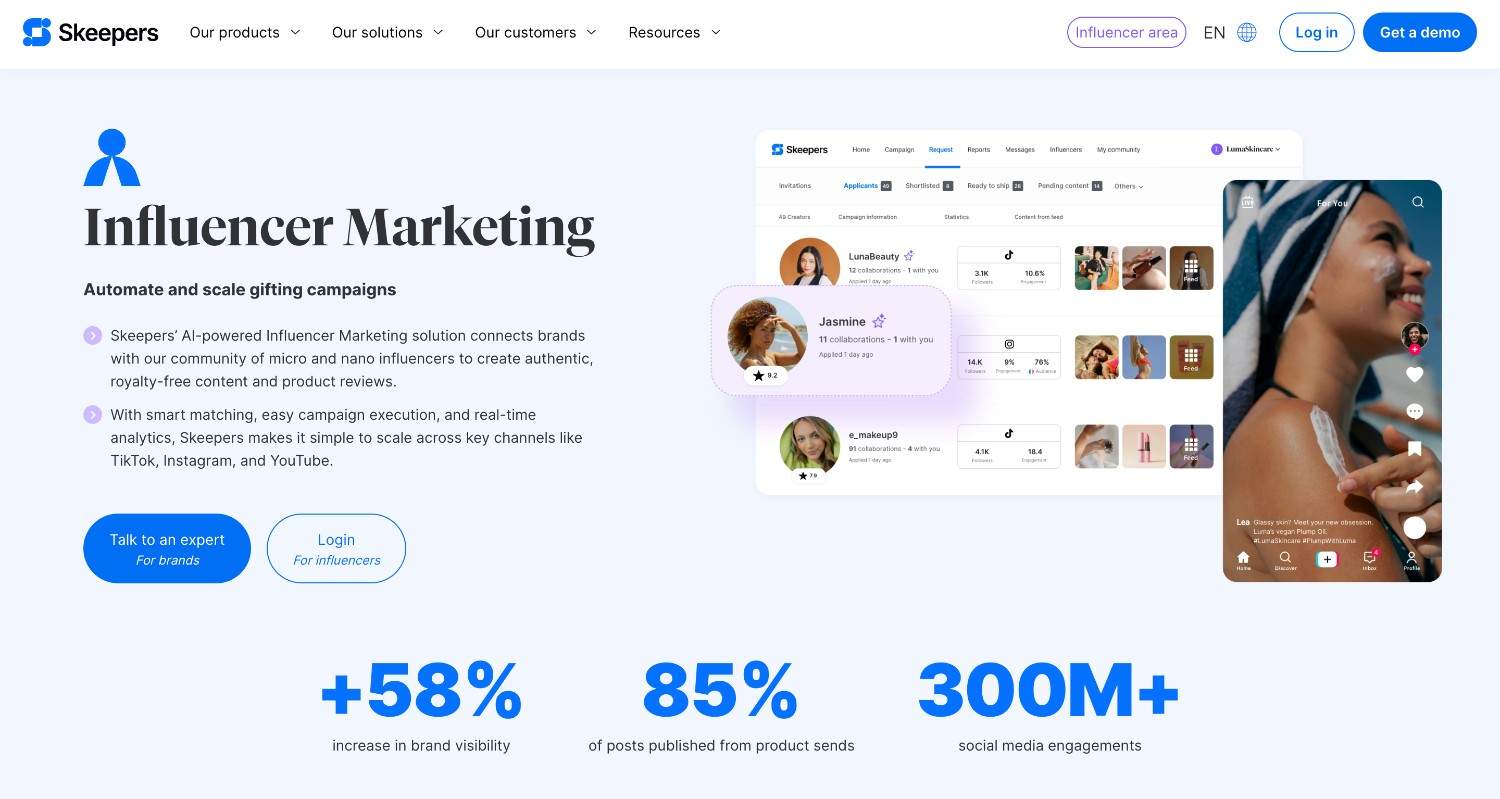
Skeepers ist eine Customer-Engagement-Plattform, die Influencer Marketing als Teil einer breiteren Suite einschließlich UGC, Bewertungen, Ratings und Verbraucherfeedback abdeckt. Das Influencer-Modul konzentriert sich auf die Verbindung von Marken mit Micro- und Nano-Influencern zur Generierung authentischer Inhalte und Förderung von Engagement.
Wichtigste Funktionen
- Fokus auf Micro- und Nano-Influencer: Skeepers spezialisiert sich auf die Verbindung von Marken mit kleineren Creatorn zur Generierung authentischer, nachvollziehbarer Inhalte.
- UGC und Content-Generierung: Konzentriert sich auf die Generierung von User-Generated Content für Marketing-Kampagnen und Social Channels.
- Influencer Campaign Management: Verwalten Sie Influencer-Rekrutierung, Kommunikation und Kampagnenausführung.
- Product Seeding Kampagnen: Senden Sie Produkte an Creator und verfolgen Sie Inhalte und Engagement-Ergebnisse.
- Customer Feedback Integration: Kombiniert Influencer Marketing mit Bewertungen, Ratings und Feedback-Erfassung.
- Content-Wiederverwendung und Verstärkung: Speichern und verwenden Sie Creator-Inhalte über Marketing-Kanäle hinweg erneut.
Preise ```
- Skeepers veröffentlicht keine detaillierte Preistabelle für Influencer Marketing auf seiner Website.
- Capterra listet einen Startpreis von €1.250/Monat auf und gibt an, dass keine kostenlose Testversion verfügbar ist.
Bewertungen
4,3/5,0 (Capterra)
Vorteile
- Starke Positionierung bei UGC und Micro-Influencern: Ideal für Marken, die auf authentische, großvolumige Inhalte setzen.
- Teil einer umfassenderen CX-Plattform: Kombiniert Influencer Marketing mit Review- und Feedback-Tools.
- Gut für Produktzusendungs-Kampagnen: Optimiert Gifting-Workflows und Content-Generierung.
Nachteile
- Keine reine Influencer-Discovery-Plattform: Weniger Tiefe bei der Discovery im Vergleich zu Tools wie HypeAuditor.
- Begrenzte erweiterte Analytics: Reporting konzentriert sich mehr auf Content als auf Daten.
- Besser für Content-Generierung als ROI-Tracking: Weniger Fokus auf Revenue Attribution.
Integrationen
- Shopify: Verwalten Sie Produktzusendungen und verfolgen Sie E-Commerce-Leistung.
- Magento: Integrieren Sie Influencer-Kampagnen in E-Commerce-Workflows.
- Salesforce: Synchronisieren Sie Kunden- und Influencer-Daten für einheitliche CRM-Erkenntnisse.
- Google Analytics: Verfolgen Sie kampagnengetriebene Zugriffe und Conversions.
- Review-Plattformen: Kombinieren Sie Influencer-Content mit Kundenbewertungen und Ratings.
HypeAuditor vs. Skeepers
HypeAuditor und Skeepers sprechen verschiedene Phasen der Influencer-Marketing-Reife an. HypeAuditor konzentriert sich auf Discovery, Analytics und Kampagnenoptimierung, während Skeepers sich mehr auf Content-Generierung durch Micro-Influencer und deren Integration in umfassendere Customer-Experience-Workflows konzentriert.
Marken, die datengesteuerte Influencer-Auswahl und Kampagnen-Analytics suchen, werden HypeAuditor besser geeignet finden, während diejenigen, die UGC-Generierung und Customer Engagement priorisieren, möglicherweise mehr von Skeepers profitieren.
10. Creator.co
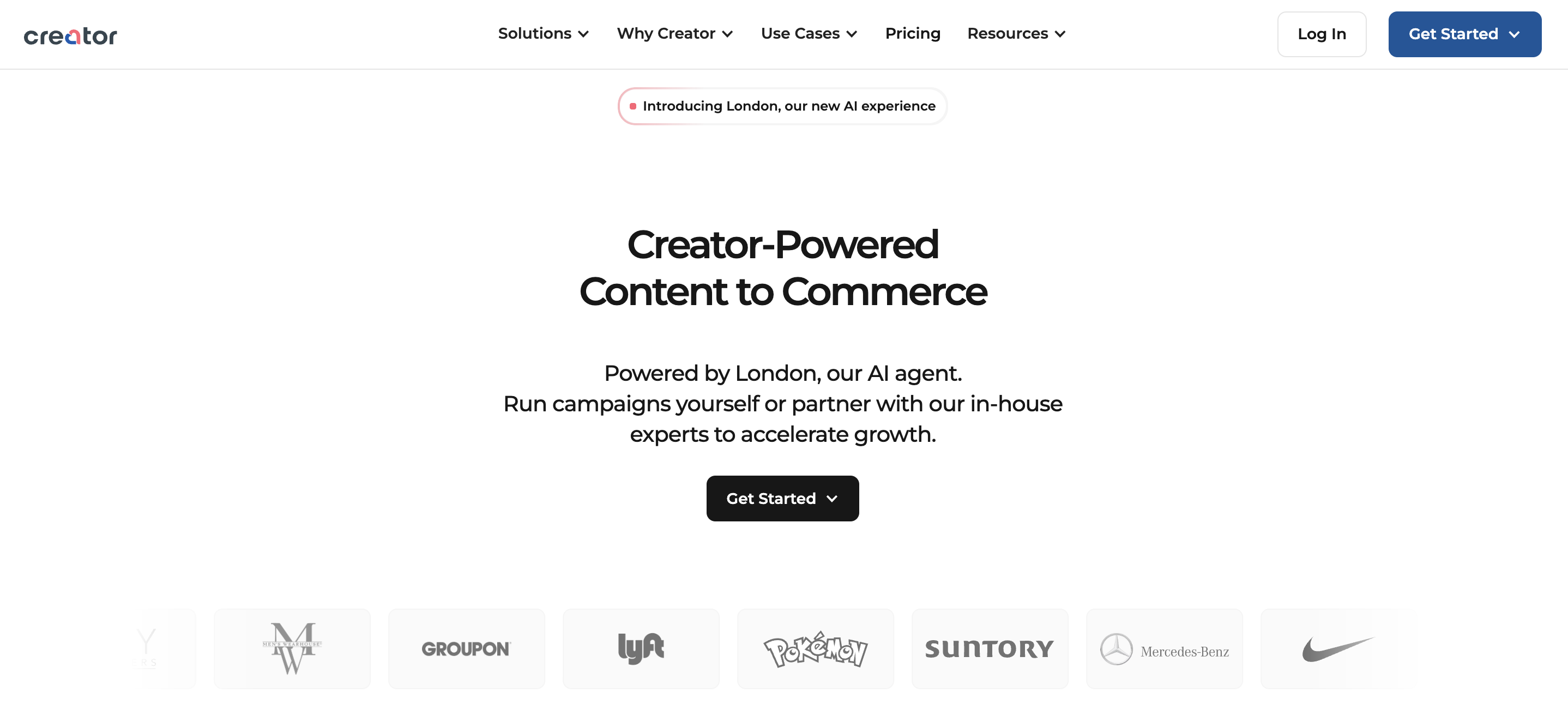
Creator.co ist eine Influencer-Marketing-Plattform, die einen Creator-Marketplace mit Campaign-Management-Tools kombiniert, um es Marken zu ermöglichen, Influencer zu rekrutieren, Kampagnen auszuführen und Content im großen Maßstab zu generieren. Sie ist besonders bei kleinen bis mittleren Marken beliebt, da sie zugänglich und preiswert ist.
Wichtigste Funktionen
- Creator-Marketplace: Marken können Kampagnen veröffentlichen und Bewerbungen von Influencern erhalten, was die Discovery vereinfacht.
- Campaign-Management-Tools: Verwalten Sie Outreach, Kommunikation, Deliverables und Genehmigungen auf der Plattform.
- Content-Generierung und UGC: Fokus auf Generierung von Content für Social Media und Marketing-Kampagnen.
- Analytics und Reporting: Verfolgen Sie Kampagnenleistung, Engagement und grundlegende ROI-Metriken.
- Influencer-Zahlungen: Verarbeiten Sie Zahlungen und Kompensationen auf der Plattform.
- Managed-Services-Option: Marken können vollständig verwaltete Kampagnen auswählen, die vom Creator.co-Team durchgeführt werden.
Preise
- Self-Serve: $299/Monat, mit einer Mindestbindung von 3 Monaten.
- Managed: $2.199/Monat, mit einer Mindestbindung von 3 Monaten.
- Enterprise: Individuelles Pricing, mit einer jährlichen Verpflichtung.
- Auf der Preisseite wird auch erwähnt, dass nach dem anfänglichen Zeitraum monatliche Abos auf Monatsbasis wechseln, während jährliche Pläne mit einem reduzierten Satz jährlich erneuert werden.
- Creator.co bietet eine kostenlose Testversion für Self-Serve an.
Bewertungen
4,6 / 5,0 (G2)
Vorteile
- Zugängliche Preise für kleinere Marken: Niedrigerer Einstiegspreis im Vergleich zu vielen Enterprise-Plattformen.
- Marketplace vereinfacht Influencer-Rekrutierung: Eingehende Bewerbungen reduzieren manuelle Outreach-Bemühungen.
- Managed-Services-Option bietet Flexibilität: Marken können zwischen Self-Serve und vollständig verwalteten Kampagnen wählen.
Nachteile
- Begrenzte erweiterte Analytics: Reporting ist grundlegender im Vergleich zu Enterprise-Tools.
- Kleinere Datenbank im Vergleich zu großen Discovery-Plattformen: Discovery ist mehr Marketplace-getrieben.
- Less robust CRM- und Automatisierungsfunktionen: Nicht so fortschrittlich für großflächige Influencer-Programme.
Integrationen
- Shopify: Verfolgen Sie die E-Commerce-Leistung und verwalten Sie produktbasierte Kampagnen.
- Stripe: Verwalten Sie Influencer-Zahlungen sicher.
- Instagram: Verfolgen Sie Influencer-Inhalte und Engagement.
- TikTok: Verwalten Sie Kurzform-Videokampagnen.
- Google Analytics: Messen Sie die Auswirkung von Kampagnen auf den Website-Traffic.
HypeAuditor vs Creator.co
HypeAuditor und Creator.co unterscheiden sich erheblich in Komplexität und Anwendungsfall. HypeAuditor ist eine datengesteuerte Plattform, die sich auf Influencer-Analytik, Discovery und Kampagnenoptimierung konzentriert, während Creator.co eine zugänglichere, marktplatzgesteuerte Plattform ist, die für schnelle Kampagnenausführung konzipiert ist.
HypeAuditor eignet sich besser für Marken, die detaillierte Zielgruppeneinblicke und Überprüfung benötigen, während Creator.co eine starke Option für kleinere Teams ist, die schnell Kampagnen starten möchten, ohne komplizierte Setups oder hohe Kosten zu haben.
Abschließende Überlegungen
HypeAuditor bleibt eine starke Option für Influencer-Discovery und Zielgruppen-Analytik, doch viele Alternativen bieten je nach Anwendungsfall spezialisierte Stärken. Plattformen wie GRIN, Upfluence und Influencer Hero zeichnen sich durch E-Commerce-Integrationen und end-to-end Kampagnenausführung aus, während Tools wie CreatorIQ und NeoReach den Enterprise-Bedarf mit tiefergehendem Reporting und Infrastruktur abdecken. Unterdessen konzentrieren sich Lösungen wie Insense, Skeepers und Creator.co stärker auf UGC und skalierbare Content-Produktion. Insgesamt hängt die beste Alternative davon ab, ob die Priorität auf Analytik, Workflow-Automatisierung, E-Commerce-Attribution oder Content-Generierung liegt.

.png)


.jpg)