

10 beste Glewee-Alternativen für Influencer Marketing
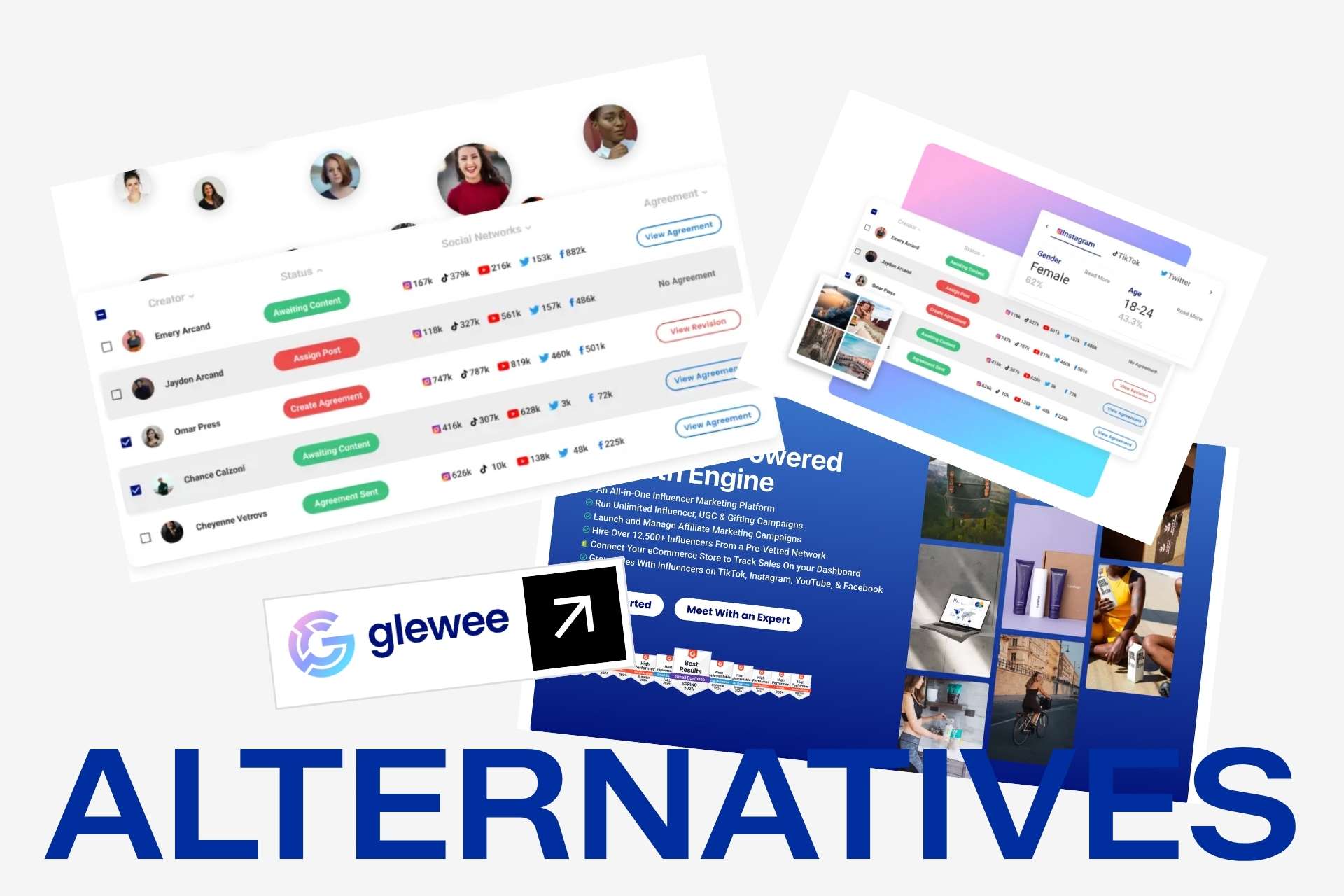
Die Verwaltung von Influencer-Partnerschaften ist zu einem wichtigen Wachstumschannel für D2C-Marken geworden, weshalb zuverlässige Influencer-Marketing-Software für die Verwaltung von Creator-Discovery, Outreach, Campaign-Workflows und Performance-Tracking in großem Maßstab unverzichtbar ist. Glewee hat sich aufgrund seines kuratierten Creator-Marketplace, der Benutzerfreundlichkeit und starken UGC-Funktionen als beliebte Option etabliert, besonders für kleinere Teams, die Kampagnen schnell starten möchten. Häufiges Feedback weist jedoch auf Einschränkungen bei der Tiefe der Creator-Discovery, der Skalierbarkeit für größere Programme und Unklarheiten bei der Preisgestaltung oder dem Trial-Erlebnis hin – was viele Marken dazu führt, Glewee-Alternativen zu erkunden, die erweiterte Analysen, Integrationen oder Automatisierung bieten. Ob Sie derzeit Tools vergleichen oder Influencer-Plattformen zum ersten Mal bewerten, das Verständnis, wie Glewee sich einordnet, ist entscheidend für die richtige Entscheidung.
In diesem Artikel vergleichen wir die 10 besten Alternativen – GRIN, Upfluence, CreatorIQ, Influencer Hero, NeoReach, Lefty, Insense, Kolsquare, Skeepers und Creator.co – um Ihnen die richtige Wahl für Ihre Wachstumsstrategie zu helfen.
Wichtigste Kriterien zur Bewertung von Influencer-Marketing-Plattformen
Kernfunktionen
Bewertung wesentlicher Influencer-Marketing-Funktionen, einschließlich Influencer-Discovery, Outreach, CRM, Campaign-Management, Reporting und Content-Workflows.
Preisgestaltung & Flexibilität
Vergleich von Preismodellen, Abonnementplänen und Vertragsbedingungen, um verschiedene Budgets und Wachstumsphasen abzudecken.
Kundenbewertungen & Zufriedenheit
Analyse von Nutzerfeedback von vertrauenswürdigen Bewertungsplattformen, mit Fokus auf Benutzerfreundlichkeit, Zuverlässigkeit, Kundenunterstützung und Gesamtleistung.
Vor- & Nachteile
Überprüfung der Stärken und Schwächen jeder Plattform, um hervorzuheben, wo sie gut funktioniert und wo sie je nach Anwendungsfall Lücken aufweisen kann.
Integrationen
Überprüfung der wichtigsten Integrationen (z. B. Shopify und andere Tech-Tools), mit Hervorhebung dessen, was jede Integration in einem Satz ermöglicht.
Glewee-Übersicht
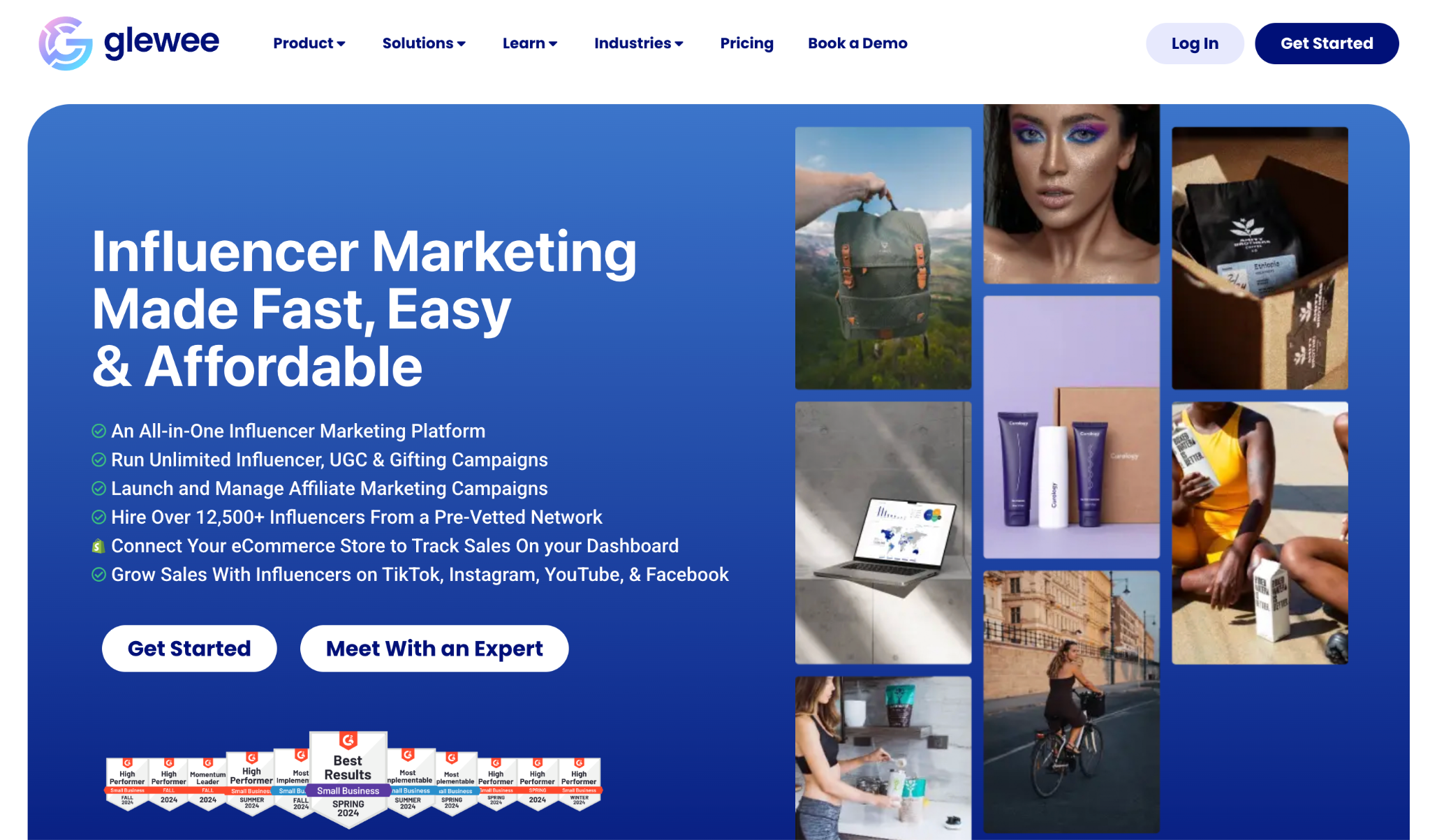
Glewee ist eine End-to-End-Influencer-Marketing-Plattform, die Marken hilft, Creator-Kampagnen zu starten, zu verwalten und zu skalieren, ohne auf fragmentierte Tools oder manuelle Workflows angewiesen zu sein. Mit Fokus auf Benutzerfreundlichkeit ermöglicht es Marken – besonders kleinere bis mittlere D2C-Teams – Creator zu entdecken, Kampagnen zu starten, Zusammenarbeit zu verwalten und die Performance von einem einzigen Dashboard aus zu verfolgen. Der Marketplace-gestützte Ansatz, bei dem Creator sich direkt auf Kampagnen bewerben, unterscheidet sich von traditionellen Outreach-orientierten Plattformen und hilft, die Creator-Rekrutierung zu optimieren.
Wichtigste Funktionen
- Vorgeprüfter Creator-Marketplace
Glewee bietet Zugang zu einem kuratierten Netzwerk von Influencern und spart Zeit bei manueller Überprüfung, während Marken von Anfang an mit qualitativ hochwertigeren Creatorn zusammenarbeiten. - Campaign-Builder & Creator-Bewerbungen
Marken können schnell Kampagnen mit definierten Anforderungen starten, woraufhin Creator sich direkt bewerben können – dies reduziert die Abhängigkeit von Cold-Outreach und beschleunigt die Kampagnenausführung. - Integrierte Kommunikation & Verträge
Die Plattform zentralisiert Creator-Kommunikation, Verhandlungen, Verträge und Genehmigungen und eliminiert die Notwendigkeit für externe Tools wie E-Mail oder Dokumentenverwaltungssysteme. - UGC-Content-Bibliothek mit Nutzungsrechten
Alle Campaign-Inhalte werden in einer zentralisierten Bibliothek gespeichert, sodass Marken Creator-generierte Inhalte herunterladen und für Marketing über Kanäle hinweg wiederverwenden können. - Performance-Analytics-Dashboard
Glewee verfolgt Campaign-Metriken wie Engagement, Impressionen und Creator-Performance, um Marken bei der Bewertung des ROI und der Optimierung zukünftiger Kampagnen zu unterstützen. - Affiliate-Campaign-Unterstützung
Neben Influencer- und Gifting-Kampagnen unterstützt Glewee Affiliate-basierte Zusammenarbeit und ermöglicht performance-getriebene Partnerschaften. - Shopify-Integration für Sales-Tracking
E-Commerce-Marken können Shopify verbinden, um Rabattcodes, Produktzusendungen und Influencer-gestützte Verkäufe direkt innerhalb der Plattform zu verfolgen. - In-Platform-Zahlungen
``````html Glewee verwaltet Creator-Zahlungen über sein internes System und vereinfacht Transaktionen, während sichergestellt wird, dass Liefergegenstände abgeschlossen sind, bevor Auszahlungen freigegeben werden.
Preise
Glewee bietet gestaffelte Preise mit monatlichen und jährlichen Abrechnungsoptionen:
- Build Plan
- $199/Monat (monatlich) oder $150/Monat (jährliche Abrechnung)
- Umfasst Zugang zu Creator Marketplace, Campaign Management, Shopify-Integration, Affiliate-Kampagnen und begrenzte Gifting-Zusammenarbeit
- Scale Plan
- $499/Monat (monatlich) oder $375/Monat (jährliche Abrechnung)
- Umfasst alles aus dem Build Plan plus unbegrenzte Gifting-Kampagnen, unbegrenzte Benutzer und einen dedizierten Success Manager
- Enterprise Plan
- Benutzerdefinierte Preisgestaltung
- Umfasst verwaltete Services, erweiterte Reporting, Campaign-Strategy-Unterstützung und Premium-Creator-Zugang
Bewertungen
4,8 / 5,0 (G2)
Integrationen
- Shopify – Ermöglicht Produkt-Gifting, Rabattcode-Erstellung und direktes Sales-Tracking aus Influencer-Kampagnen.
- Stripe – Verwaltet sichere Creator-Auszahlungen und Zahlungsabwicklung innerhalb der Plattform.
- Instagram – Unterstützt Campaign-Ausführung, Creator-Discovery und Performance-Tracking auf einem Kern-Social-Channel.
- TikTok – Ermöglicht Brands die Zusammenarbeit mit Short-Form-Video-Creatorn und das Tracking von Campaign-Ergebnissen.
- YouTube – Erweitert Influencer-Kampagnen auf Long-Form-Inhalte und breitere Audience-Reichweite.
Vorteile
- Optimierte Creator-Rekrutierung über Bewerbungen
Anstatt sich nur auf Outbound-Outreach zu verlassen, ermöglicht Glewee Creatorn, sich auf Kampagnen zu bewerben – wodurch der Rekrutierungsprozess für schlanke Teams erheblich beschleunigt wird. - Starke UGC- und Content-Wiederverwendungsfunktionen
Die integrierte Content-Bibliothek mit Nutzungsrechten macht es einfach, Influencer-Inhalte über Anzeigen, E-Mails und Social-Kanäle wiederverwendbar zu machen. - E-Commerce-freundlich mit Affiliate- und Shopify-Tracking
Das Hinzufügen von Affiliate-Kampagnen und Shopify-Integration macht Glewee besonders nützlich für D2C-Brands, die auf messbaren ROI konzentriert sind.
Häufige Nachteile von Glewee
Begrenzte Sichtbarkeit des Creator-Pools vor dem Abonnement
Einige Benutzer finden es schwierig, vor dem Abschluss zu bewerten, ob die Plattform genug relevante Influencer für ihre Nische hat.
Inkonsistente Klarheit bezüglich Testversionen und Abrechnung
Unterschiede in der Dauer der Testversion und Erwartungen rund um Rückerstattungen oder Zugang können während des Onboardings zu Verwirrung führen.
Nicht ideal für Agenturen, die mehrere Brands verwalten
Workflow-Einschränkungen beim Wechsel zwischen Konten oder beim Verwalten mehrerer Kunden können Agency-Anwendungsfälle verlangsamen.
Gemischte Mobile-App-Erfahrung für Creatorn
Berichte über Usability-Probleme und inkonsistente Benachrichtigungen in der Creator-App können die Kommunikationsgeschwindigkeit und Campaign-Reaktionsfähigkeit beeinträchtigen.
Beste Glewee-Alternativen
| TOOL | BEWERTUNGEN | AM BESTEN FÜR | TESTVERSION-INFO | PREISE | ||
|---|---|---|---|---|---|---|
1 |

|
⭐ | DTC Creator-Verwaltung | Demo buchen | Preise | Website |
2 |
|
⭐ | Influencer-Discovery | Demo buchen | Preise | Website |
3 |
``````html

|
⭐ | Enterprise Influencer Marketing | Demo buchen | Preise | Website |
4 |

|
⭐ | Influencer CRM & Automation | Demo buchen | Preise | Website |
5 |
|
⭐ | Influencer-Kampagnen & Daten-Analytics | Demo buchen | Preise | Website |
6 |

|
⭐ | Influencer Analytics & Discovery | Demo buchen | Preise | Website |
7 |

|
⭐ | UGC Creator & Paid Social Ads | Demo buchen | Preise | Website |
8 |

|
⭐ | Datengesteuerte Influencer Discovery & Campaign Analytics | Demo buchen | Preise | Website |
9 |

|
⭐ | Influencer Gifting & UGC-Kampagnen mit Micro-Influencern | Demo buchen | Preise | Website |
10 |
``````html

|
⭐ | Influencer-Kampagnen & Creator-Marktplatz | Demo buchen | Preise | Website |
1. GRIN
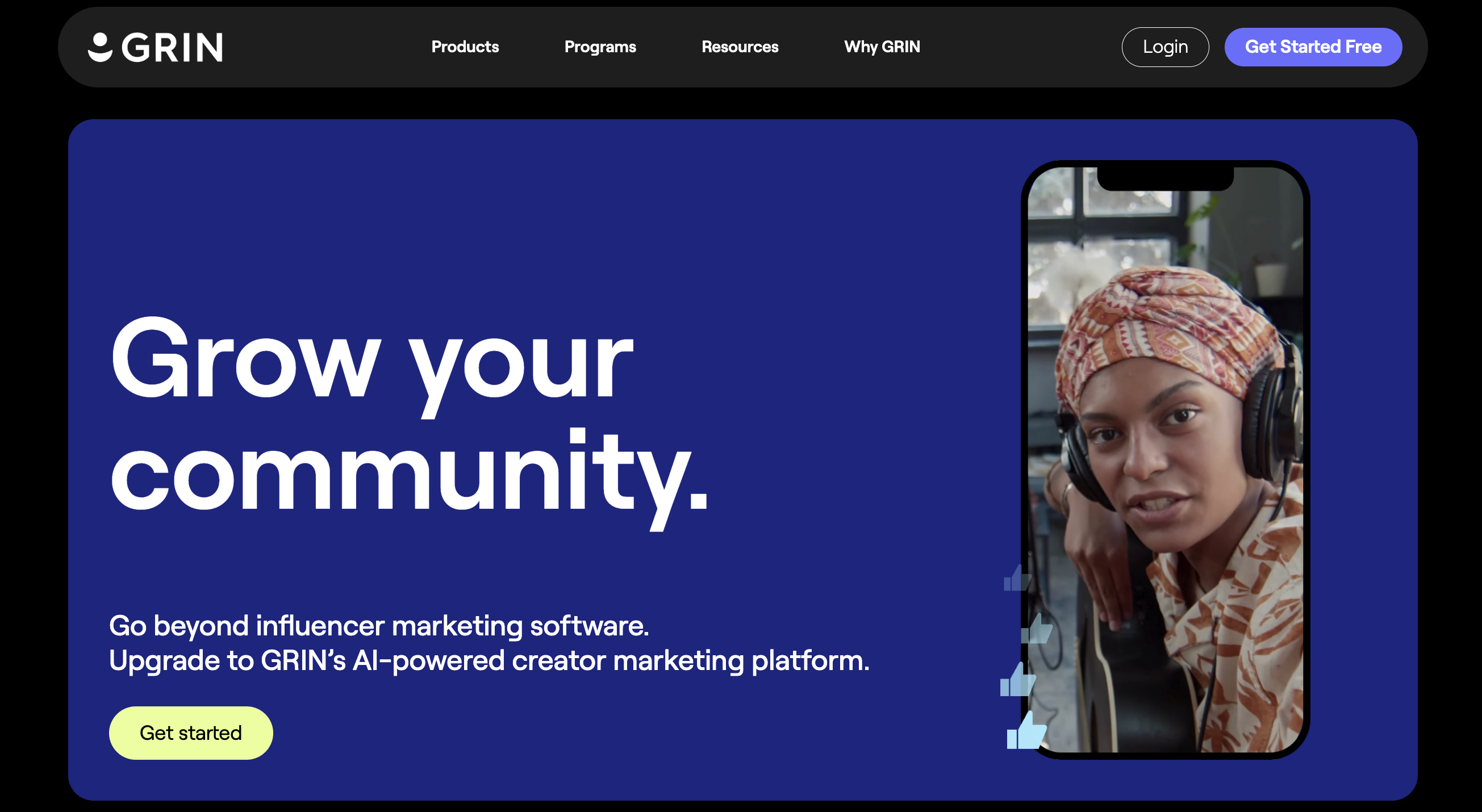
GRIN ist eine Influencer-Marketing-Plattform, die primär für E-Commerce-Marken entwickelt wurde, die Creator-Discovery, Outreach, Gifting, Affiliate-Tracking, Zahlungen und Content-Workflows in einem System verwalten möchten. Die aktuelle Positionierung konzentriert sich stark auf Creator-Management für DTC-Teams mit nativen E-Commerce-Funktionen und einem neueren Self-Service-Preismodell, das flexibler ist als das jährliche Vertragssystem, mit dem GRIN zuvor verbunden war.
Wichtigste Funktionen
- Creator-Discovery und CRM: GRIN kombiniert Creator-Suche, Beziehungsverfolgung und Kampagnenverwaltung, sodass Marken von der Prospektierung zur Umsetzung übergehen können, ohne Tabellen zu jonglieren oder separate CRM-Tools zu verwenden.
- Integrierte E-Mail- und Outreach-Workflows: Die Plattform umfasst integrierte E-Mail-, Template- und Sequenz-Unterstützung, was die Verwaltung von Outreach und Follow-ups im selben Arbeitsbereich wie Kampagnenaktivitäten erleichtert.
- Produkt-Gifting und Seeding: Der Gifting-Workflow von GRIN zieht Produktinformationen, Bestände und Preise aus verbundenen E-Commerce-Shops, sodass Marken kuratierte Auswahl an Creator senden und die Erfüllung zentral verfolgen können.
- Affiliate-Tracking und Deep Links: Pläne auf Growth-Stufe enthalten erweitertes Affiliate-Attribution und Deep Links, die Marken dabei helfen, Creator-Aktivitäten mit Conversions und Umsatz klarer zu verbinden.
- Automatisierte Creator-Zahlungen: Essentials und höher umfassen automatisierte Creator-Zahlungen und 1099-Verarbeitung, was besonders nützlich für US-amerikanische Marken ist, die Auszahlungen in großem Umfang verwalten.
- Zentrale Content-Bibliothek: GRIN speichert Creator-Assets in einer zentralisierten Bibliothek, sodass Teams Content effizienter kampagnenübergreifend organisieren, durchsuchen und wiederverwenden können.
- Landing Pages und Creator-Portale: Die Plattform unterstützt Creator-seitige Landing Pages und strukturierte Portale für Briefs, Lieferumfang und Kommunikation, was bei der Standardisierung von Workflows in größeren Ambassador-Programmen hilft.
- Gia AI und Creator-Suchverbesserungen: GRIN bewirbt jetzt Gia und KI-gestützte Discovery als Teil seiner aktuellen Produktrichtung, um die Suche und Programmverwaltung zu beschleunigen.
Preise
- Offizielles Preismodell: GRINs aktuelles Preisseite bewirbt eine 30-tägige kostenlose Testversion und flexiblere Pakete als zuvor, einschließlich Self-Service-Zugang.
- Öffentlicher Startpreisvergleich: Aktuelle Software-Verzeichnisse führen GRIN ab 999 USD/Monat auf, obwohl Enterprise-Preise basierend auf Funktionen und Programmgröße weiterhin erheblich zu skalieren scheinen.
- Enterprise-Benchmark-Preisgestaltung
```
Aktuelle Verkaufs-Benchmarks und Produktübersichten platzieren GRIN häufig bei einem Startwert von $25,000/Jahr (ca. $2,050/Monat), ohne Rabatte für Vorauszahlung. Verträge erfordern eine Verpflichtung für das ganze Jahr mit monatlicher Abrechnung.
Bewertungen
4,5/5,0 (G2)
Vorteile
- Deutlich stärkere E-Commerce-Betriebsschicht als Glewee — GRINs Gifting, automatisierte Zahlungen, 1099-Verarbeitung, Deep Links und erweiterte Affiliate-Attribution machen es robuster für Marken, die Influencer-Programme eng an Commerce-Operationen binden möchten.
- Reifere Berichterstattung und Berechtigungen für wachsende Teams — Höhere Ebenen fügen Report Builder, erweiterte Berichterstattung, API-Zugriff und Team-Rollen hinzu, was größeren Teams mehr Kontrolle gibt als Glewees einfacheres KMU-orientiertes Setup.
- Neuere Preisgestaltung ist flexibler als ältere Enterprise-Verträge — GRINs aktuelle Monat-für-Monat-Struktur und kostenlose Testversion sind eine bedeutende Änderung für Marken, die die Platform testen möchten, ohne sich auf eine Jahresvereinbarung festzulegen.
Nachteile
- Die Preise steigen immer noch schnell, wenn Programme wachsen — Obwohl die Eingangspreise jetzt klarer sind, wird die Platform deutlich teurer, sobald Marken höhere Creator-Kapazität und erweiterte Funktionen benötigen.
- Einige Benutzer berichten immer noch von Usability-Reibung — Bewertungen erwähnen, dass sich Teile des Workflows manuell oder kompliziert anfühlen können, besonders beim Sortieren von Creatorn und konsistentem Verwalten von Liefergütern.
- Die beste Passung sind immer noch E-Commerce-lastige Teams — Marken, die hauptsächlich einen leichten Campaign-Marketplace möchten, könnten GRIN operativ dichter finden als nötig.
Integrationen
- Shopify — Verbindet Produktkataloge, Gifting-Workflows, Affiliate-Links und Revenue-Attribution mit Creator-Kampagnen.
- PayPal — Unterstützt Creator-Auszahlungen innerhalb der Platform und reduziert manuelle Zahlungsbearbeitung.
- Slack — Ermöglicht es Teams, schneller um Creator-Workflows und Kampagnenverwaltung innerhalb ihres alltäglichen Kommunikations-Stacks zu koordinieren.
- Google Drive — Hilft beim Speichern und Organisieren von Kampagnen-Assets und Creator-Materialien neben dem GRIN-Workflow.
- DocuSign — Macht die Vertragsausführung einfacher, indem es E-Signatur in Creator-Onboarding und Kampagnenverwaltung integriert.
Glewee vs GRIN
Glewee ist die einfachere, marktplatzorientierte Option, während GRIN das stärkere System für Marken ist, die Creator-Marketing als kontinuierliches Commerce-Programm behandeln. Glewee konzentriert sich darauf, Marken dabei zu helfen, Kampagnen zu starten, Creator-Bewerbungen zu sammeln, Inhalte zu verwalten und UGC mit weniger Setup zu nutzen. GRIN geht tiefer auf der Back-Office-Seite mit Produktseeding, automatisierte Creator-Zahlungen, Steuerbearbeitung, erweiterte Affiliate-Attribution und mehrschichtigere Berichterstattung.
Für kleinere Marken, die einen kuratierten Creator-Marketplace und einfacheres Onboarding möchten, ist Glewee normalerweise zugänglicher. Für etablierte DTC-Marken, die wiederholtes Gifting, Affiliate und Revenue-getrackte Creator-Programme durchführen, ist GRIN die operativ reifere Wahl. GRIN bietet jetzt auch klarere Self-Service-Preise und eine kostenlose Testversion, bleibt aber die schwerere Platform der beiden.
2. Upfluence
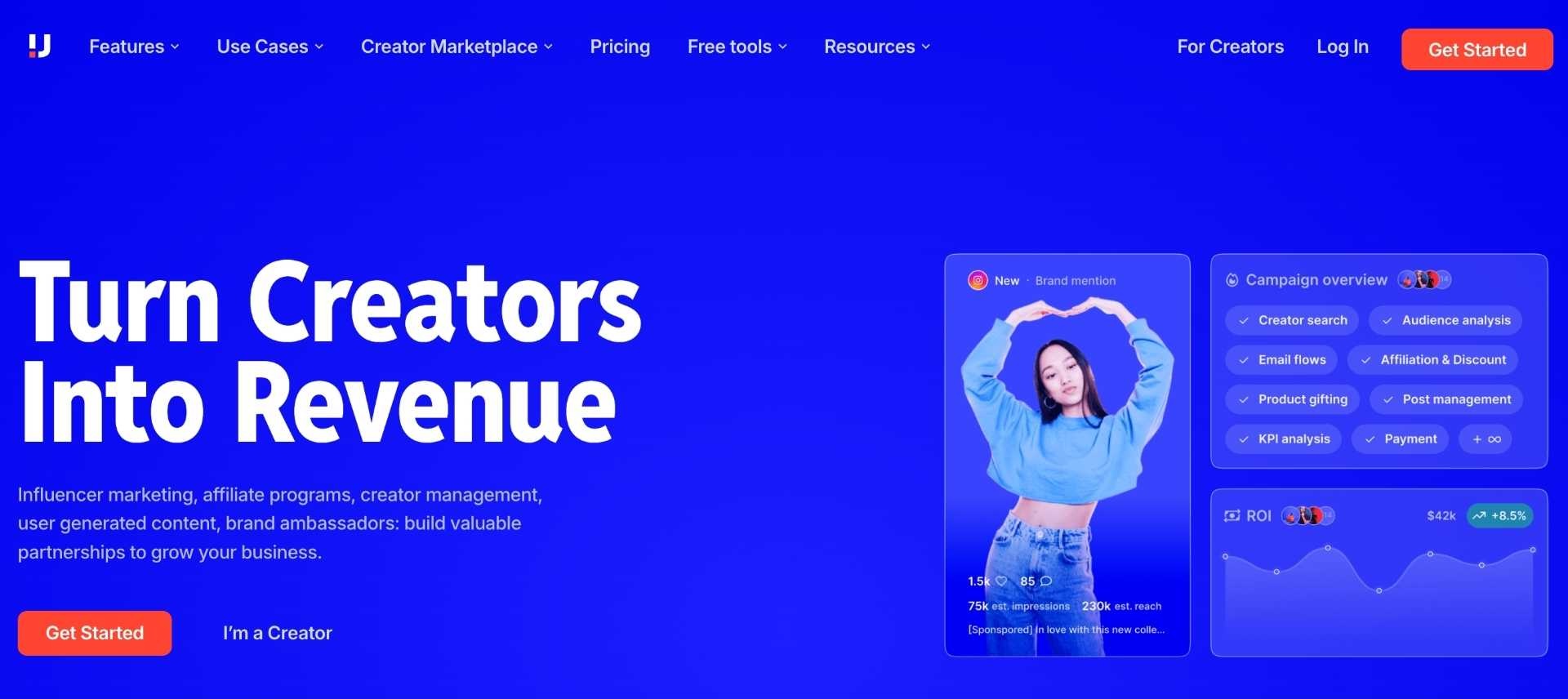
Upfluence ist eine Influencer- und Affiliate-Marketing-Platform, die auf Creator-Discovery, Outreach, CRM und E-Commerce-Datenintegration aufgebaut ist. Sie ist besonders bekannt dafür, Marken dabei zu helfen, Influencer in ihrer eigenen Kundenbasis zu identifizieren und Influencer-Programme direkt mit Shopify, Amazon und umfassenderen Commerce-Workflows zu verbinden.
Hauptfunktionen
- Große Creator-Datenbank und erweiterte Suche: Upfluence bietet Zugang zu einer großen Creator-Datenbank mit Filtern für Nische, Publikum, Standort, Engagement und Platform.
- Kunden-zu-Creator-Zuordnung: Einer seiner stärksten Unterscheidungsmerkmale ist die Möglichkeit, Influencer in Ihren bestehenden Kundenlisten und E-Commerce-Daten zu identifizieren.
- Massen-Outreach und E-Mail-Workflows: Upfluence unterstützt Massen-Outreach, Vorlagen, Gmail/Outlook-Synchronisierung und Drip-E-Mail-Automatisierung in höheren Plänen.
- Jaice AI-Unterstützung:The platform now highlights Jaice AI for creator search, campaign launch support, and personalized email generation.
- CRM and campaign management: Teams can manage conversations, campaign stages, affiliate terms, and creator relationships in one system.
- Affiliate and discount code tracking: Upfluence supports affiliate links, promo codes, and tracked sales with no percentage fee on tracked revenue.
- One-click product sending: Ecommerce-connected plans support product gifting and shipment workflows at scale.
- Creator payments: The Auto-pilot tier includes Upfluence Pay, multi-currency payouts, and tax form automation.
- Marketplace and recruitment pages: Brands can create recruitment pages and allow inbound creator applications.
- Social listening and analytics: Higher tiers include sales dashboards, campaign analytics, and social listening streams.
Preise
- Preismodell: Upfluence verwendet benutzerdefinierte Preise anstelle einer öffentlichen festen Plantabelle.
- Alle Pläne sind maßgeschneidert. Es gibt ein Mindestjahr an Diensten, zu denen Sie sich mit monatlichen Zahlungen verpflichten müssen. Im Durchschnitt beginnen Pläne bei etwa 2.000 USD/Monat (24.000 USD pro Jahr)
Bewertungen
4,3/5,0 (Capterra)
Vorteile
- Erstklassige Kundenidentifizierung für Creator — Upfluence zeichnet sich dadurch aus, dass bestehende Kunden, Abonnenten und CRM-Kontakte in Influencer-Prospects umgewandelt werden, was ein großer Vorteil gegenüber Plattformen ist, die nur öffentliche Creator-Datenbanken durchsuchen.
- Tieferer nativer Commerce-Stack als Glewee — Die native Unterstützung für Shopify, WooCommerce, Magento, BigCommerce und Amazon macht es viel besser für Marken geeignet, die Creator-Programme direkt mit Speicherdaten verbinden müssen.
- Jaice AI ist jetzt zentral für höhere Pläne — Upfluence treibt Jaice AI über einfache Unterstützung hinaus in Kampagnenerstellung und Automatisierung, was die Plattform für größere Teams skalierbarer macht als in früheren Versionen.
Nachteile
- Die Preisgestaltung ist auf der offiziellen Website noch undurchsichtig — Marken müssen mit dem Vertrieb sprechen, um genaue Kosten zu erfahren, was den schnellen direkten Budgetvergleich erschwert.
- Es gibt noch immer eine Lernkurve — Die Plattform ist funktionsreich, aber diese Tiefe kann sich für neuere Teams oder Marken, die gerade mit Influencer-Marketing beginnen, schwierig anfühlen.
- Der beste Wert ergibt sich, wenn E-Commerce-Integrationen zentral sind — Wenn Sie kein CRM-Abgleich, Store-Synchronisierung oder tiefere Affiliate-Verfolgung benötigen, verschwindet ein Teil von Upfluences Vorteil.
Integrationen
- Shopify — Findet Influencer in Ihrer Kundenbasis, unterstützt Produktzusendungen und verfolgt von Creator generierte Umsätze.
- Amazon — Unterstützt natives Amazon-Affiliate-Kampagnenmanagement und Attribution.
- Klaviyo — Reichert E-Mail-Segmente mit sozialen Daten an und hilft, Botschafter aus Abonnentenlisten zu identifizieren.
- Gmail / Outlook — Synchronisiert Outreach und Creator-Kommunikation mit Ihren bestehenden Inbox-Workflows.
- Stripe — Ermöglicht Upfluence Pay für Creator-Zahlungen und Transaktionsverfolgung.
Glewee vs Upfluence
Glewee ist eher Creator-Marketplace-fokussiert, während Upfluence eher Commerce-Daten-fokussiert ist. Glewee ist leichter zu verstehen für Marken, die Kampagnen veröffentlichen, Creator-Bewerbungen akzeptieren, Inhalte verwalten und Gifting- oder Affiliate-Kampagnen ohne einen steilen Einrichtungsprozess durchführen möchten. Upfluence wurde für Marken entwickelt, die Creator-Rekrutierung direkt an Kundendaten, Promo-Code-Verfolgung, Store-Integrationen und Affiliate-Umsatzmessung über einen größeren Commerce-Stack gebunden möchten.
Wenn die Priorität Geschwindigkeit, Kurierung und ein zugänglicherer KMU-Workflow ist, bietet Glewee das leichtere Erlebnis. Wenn die Priorität darin besteht, Kunden in Creator umzuwandeln, mit großen E-Commerce-Systemen zu synchronisieren und ROI-intensive Affiliate-Programme zu verwalten, ist Upfluence die leistungsstärkere Plattform. Der Kompromiss ist Komplexität und weniger transparente Preise.
3. CreatorIQ

CreatorIQ ist eine Enterprise-Creator-Marketing-Plattform für globale Marken, die Governance, Brand Safety, Analytics und abteilungsübergreifende Zusammenarbeit im großen Maßstab benötigen. Sie positioniert sich als Betriebssystem für Creator-gesteuertes Wachstum mit KI-gestützter Intelligenz, Enterprise-Workflows und einer wachsenden Liste von First-Party-Plattformpartnerschaften.
Wichtigste Funktionen
- KI-gestützte Creator-Discovery: CreatorIQ unterstützt umfangreiche Creator-Suchen über große Social-Media-Kanäle hinweg mit Audience-Authentizitätsprüfungen, intelligenten Empfehlungen und strukturierten Discovery-Workflows.
- Enterprise-Grade-Governance und Compliance: Die Plattform betont Genehmigungen, Berechtigungen, Governance-Kontrollen und Brand Safety für Teams in mehreren Märkten.
- Anpassbare Berichte und Live-Dashboards: CreatorIQ ist besonders stark bei Executive-Ready-Berichten, Live-Links und umfassender Messung über Creator, Kampagnen und Kanäle hinweg.
- CRM und Creator-Beziehungsmanagement: Teams können Creator mit Tags versehen, Notizen speichern, Genehmigungen verwalten und die Kommunikationshistorie in einem strukturierten CRM zentralisieren.
- Creator Connect und Creator-Portale: Die Plattform unterstützt Branded-Signup-Seiten, Creator-Bewerbungen und ein neueres einheitliches Creator-Experience für Briefs und Zahlungen.
- Zahlungen und Steuerbehandlung: CreatorIQ beinhaltet integrierte Creator-Zahlungen und Steuer-/Compliance-Workflows, die für multinationalen Programme geeignet sind.
- API und Datenaustausch: ExchangeIQ verbindet Creator-Daten mit breiteren Geschäftssystemen, sodass Teams Creator-Marketing mit internem Reporting und Planung integrieren können.
- First-Party-Plattformdaten: CreatorIQ's Partnerschaften mit Plattformen wie YouTube vertiefen die Audience- und Messungsgenauigkeit mit First-Party-Daten.
Preise
- Basic: 35.000 USD/Jahr für 1.000 Creator und 3 Plätze.
- Standard: 50.000 USD/Jahr für 2.500 Creator und 5 Plätze.
- Professional: 90.000 USD/Jahr für 5.000 Creator und 10 Plätze.
- Enterprise: 200.000 USD/Jahr für 7.500 Creator und 20 Plätze.
- Creator Connect Add-on: 15.000 USD/Jahr.
Vertragsdetails: CreatorIQ wird nur auf Jahresverträgen verkauft.
Bewertungen
4,4 / 5,0 (Capterra)
Vorteile
- Deutlich stärkeres Enterprise-Governance als Glewee — CreatorIQ ist für Organisationen gebaut, die Genehmigungen, Compliance, Brand Safety und abteilungsübergreifende Kontrollen benötigen, was weit über Glewees SMB-orientierte Kampagnen-Workflows hinausgeht.
- Direkte Plattform- und Ökosystem-Partnerschaften — Ihre TikTok-Partnerschaft und neue Sprinklr-Integration geben CreatorIQ eine stärkere Mess- und Ökosystem-Geschichte als die meisten Mid-Market-Alternativen.
- Besser geeignet für globale Skalierbarkeit — CreatorIQ's Wert steigt, wenn mehrere Teams, Märkte und Stakeholder ein einheitliches System benötigen, anstatt eines eigenständigen Influencer-Campaign-Tools.
Nachteile
- Nicht preisfreundlich für kleinere DTC-Marken — CreatorIQ sitzt fest in der Enterprise-Ebene und ist selten die wirtschaftliche Wahl für schlanke Teams.
- Komplexer zu erlernen und zu betreiben — Seine Tiefe ist wertvoll, aber dieselbe Komplexität kann die tägliche Ausführung für kleinere Teams verlangsamen.
- Weniger Self-Service und Transparenz als SMB-Tools — Käufer benötigen typischerweise einen Verkaufsprozess, anstatt sofortige Planklarheit oder sofortiges Onboarding zu erhalten.
Integrationen
- Sprinklr — Zieht CreatorIQ-Kampagnendaten in Sprinklr für einheitliches Creator-, Paid- und Organic-Social-Reporting.
- TikTok Creator Marketplace / TikTok-Partner-Ökosystem — Unterstützt tiefere Creator-Daten und Messung in TikTok-Programmen.
- Shopify — Unterstützt Commerce und Affiliate-Messung, die an Creator-Leistung gebunden sind.
- AWIN — Hilft, Creator-Aktivität mit Affiliate-Tracking und Performance-Reporting zu verbinden.
- Meta-Ökosystem — CreatorIQ's umfasseres Creator-Mess-Stack beinhaltet große Plattform-Datenverbindungen über Social-Media-Kanäle hinweg für großflächiges Reporting.
Glewee vs. CreatorIQ
Glewee und CreatorIQ bedienen sehr unterschiedliche Käufer. Glewee wurde für Marken entwickelt, die Kampagnen schnell starten möchten, mit einem kuratierten Creator-Pool arbeiten, UGC und Bewerbungen verwalten und die Kosten relativ gering halten möchten. CreatorIQ wurde für Unternehmensorganisationen entwickelt, die Creator Marketing in Governance, Reporting, Paid Social Measurement und abteilungsübergreifende Workflows über Regionen und Abteilungen hinweg benötigen.
In der Praxis ist Glewee die bessere Wahl für kleinere DTC-Marken oder Teams, die Einfachheit und Geschwindigkeit schätzen. CreatorIQ ist die bessere Wahl für multinationale Marken, denen Kontrolle, Datenstandardisierung und einheitliche Messung wichtiger sind als reibungsloses Onboarding oder öffentliche Preisgestaltung.
4. Influencer Hero

Influencer Hero ist eine All-in-One-influencer marketing platform für E-Commerce-Marken und Agenturen, die Discovery, Outreach, CRM, Gifting, Affiliate Tracking und ROI-Reporting an einem Ort möchten. Seine stärkste Positionierung dreht sich um Automatisierung: AI Search, Drip Outreach, Dealflow-Style CRM, Storefronts und Integrationen über Commerce-, E-Mail- und Support-Tools.
Wichtigste Funktionen
- AI Search und Creator Discovery — Influencer Hero bewirbt AI Search mit natürlichsprachlicher Discovery über Social-Media-Plattformen hinweg, plus detaillierte Creator-Suche und Reporting-Quoten nach Plan.
- Automatisierung für High-Volume-Outreach — Die Plattform unterstützt Massen-Outreach, Drip-Kampagnen und mehrere E-Mail-Flows mit Follow-ups, die automatisch stoppen, sobald ein Creator antwortet.
- Kampagnenorientiertes CRM — Sein Dealflow-Style CRM wurde entwickelt, um influencer outreach, Verhandlungen, Liefergegenstände und Leistung in einer Pipeline zu verfolgen.
- Affiliate- und Gifting-Workflows — Pläne umfassen Gifting- und Affiliate-Kampagnen sowie Creator-Auszahlungen und Reporting in höheren Tarifen.
- Affiliate Tracking & Zahlungen — Generieren Sie verfolgbare Links und Rabattcodes, überwachen Sie Conversions und Provisionen und verwalten Sie Influencer-Auszahlungen an einem Ort
- Kampagnen-Reporting & ROI-Tracking — Echtzeit-Dashboards mit Engagement, Klicks, Conversions und Umsatzattribution pro Influencer
- Einflussreiche Kunden finden — Höhere Pläne ermöglichen es Marken, bestehende Bestellungen zu analysieren, um Influencer zu identifizieren, die bereits bei ihnen gekauft haben – wertvoll für DTC-Marken.
- Storefronts und Bewerbungsseiten — Influencer Hero unterstützt auch eingehende Creator-Bewerbungen und Storefront-ähnliche Commerce-Workflows, was über grundlegende Outreach-Software hinausgeht.
- UGC-Erfassung & Content-Bibliothek — Erfasst automatisch Creator-Content und speichert ihn in einer durchsuchbaren Bibliothek zur Wiederverwendung in Anzeigen, Social Media und eCommerce
- API & Integrationen: Flexibler API-Zugang plus Integrationen mit Tools wie Klaviyo, Slack, Zapier und E-Mail-Plattformen für benutzerdefinierte Workflows und Automatisierung
Preise
Influencer Hero bietet flexible Preisgestaltung basierend auf Outreach-Volumen und Sie können unbegrenzte Creator in Ihrem CRM haben:
- Standard — 649 $ / Monat (bis zu 1.000 Outreach-Nachrichten pro Monat)
- Pro — 1.049 $ / Monat (bis zu 5.000 Outreach-Nachrichten pro Monat)
- Business — 2.490 $ / Monat (bis zu 10.000 Outreach-Nachrichten pro Monat)
- Custom / Agency — Maßgeschneiderte Preisgestaltung
Maßgeschneiderte Preisgestaltung ist für Agenturen und größere Teams verfügbar
Bewertungen
4,9 / 5,0 (Capterra)
Vorteile
- Flexible eCommerce- und Attribution-Unterstützung — Native Integrationen mit Shopify, WooCommerce und benutzerdefinierten Setups (über Scripts) ermöglichen es, Gifting-, Affiliate-Leistung und Umsatz über verschiedene Storefronts in einem System hinweg leicht zu verfolgen.
- Bessere Creator-Marken-Übereinstimmung durch Daten — Funktionen wie Marken-Follower-Identifikation und AI-gestützte UGC-Suche helfen Teams, Creator zu finden, die bereits mit der Marke interagieren oder relevante Inhalte produzieren, und verbessern Authentizität und Kampagnenleistung.
- Für effiziente, hochvolumige Ausführung entwickelt
- Massenaktionen, Batching-Tools und eine Chrome-Erweiterung ermöglichen es Teams, Outreach, Creator-Sourcing und Campaign-Updates schnell zu verwalten und gleichzeitig Workflows organisiert zu halten.
Nachteile
- Keine kostenlose Testversion — Erschwert es Teams, die Plattform vor dem Engagement zu bewerten
- Höhere Preise für kleinere Teams — Kann für Early-Stage-Brands oder Teams mit begrenzten Budgets weniger zugänglich sein
- Beste Eignung für ausführungsintensive Teams — Marken, die nur einen leichten kuratierten Marketplace benötigen, könnten Influencer Hero als zu systemlastig empfinden.
Integrationen
- Shopify — Verbindet die Plattform direkt mit Ihrem Store für Gifting, Verkaufsverfolgung und Creator-Commerce-Workflows.
- WooCommerce — Unterstützt die gleichen Core-E-Commerce-Workflows für WooCommerce-Stores.
- Klaviyo — Hilft dabei, Influencer-Aktivitäten mit E-Mail-Marketing und Customer-Data-Workflows zu verbinden.
- Zapier — Erweitert Influencer Hero um benutzerdefinierte Workflows und andere Systeme ohne native Integrationen.
- DocuSign — Bietet Vertrags- und Genehmigungsfunktionen für Creator-Onboarding und Campaign-Ausführung.
Glewee vs Influencer Hero
Glewee ist die unkompliziertere, kuratierte Plattform für Marken, die Campaigns schnell starten, Creator-Bewerbungen überprüfen und Inhalte verwalten möchten, ohne komplexe Systeme aufzubauen. Influencer Hero hingegen ist workflow-getrieben – es bietet stärkere Möglichkeiten für Massen-Outreach, Drip-Automationen, CRM-Pipelines, Creator-Storefronts und Cross-Stack-Integrationen. Es unterstützt auch Bewerbungsseiten, auf denen Creator sich für Campaigns anmelden können, und kombiniert eingehende Bewerbungen mit ausgehender Outreach – es wirkt wie eine vollständige Creator-Operations-Plattform und nicht nur wie ein Marketplace.
Für kleinere Teams, die Einfachheit und kuratierten Talenten-Zugang bevorzugen, ist Glewee die bessere Wahl. Für D2C-Brands, die Outreach skalieren, Creator-Programme mit ihrem E-Commerce-Stack integrieren und Automationen über Gifting, Affiliates und Reporting aufbauen möchten, bietet Influencer Hero eine skalierbarere und flexiblere Lösung.
5. NeoReach
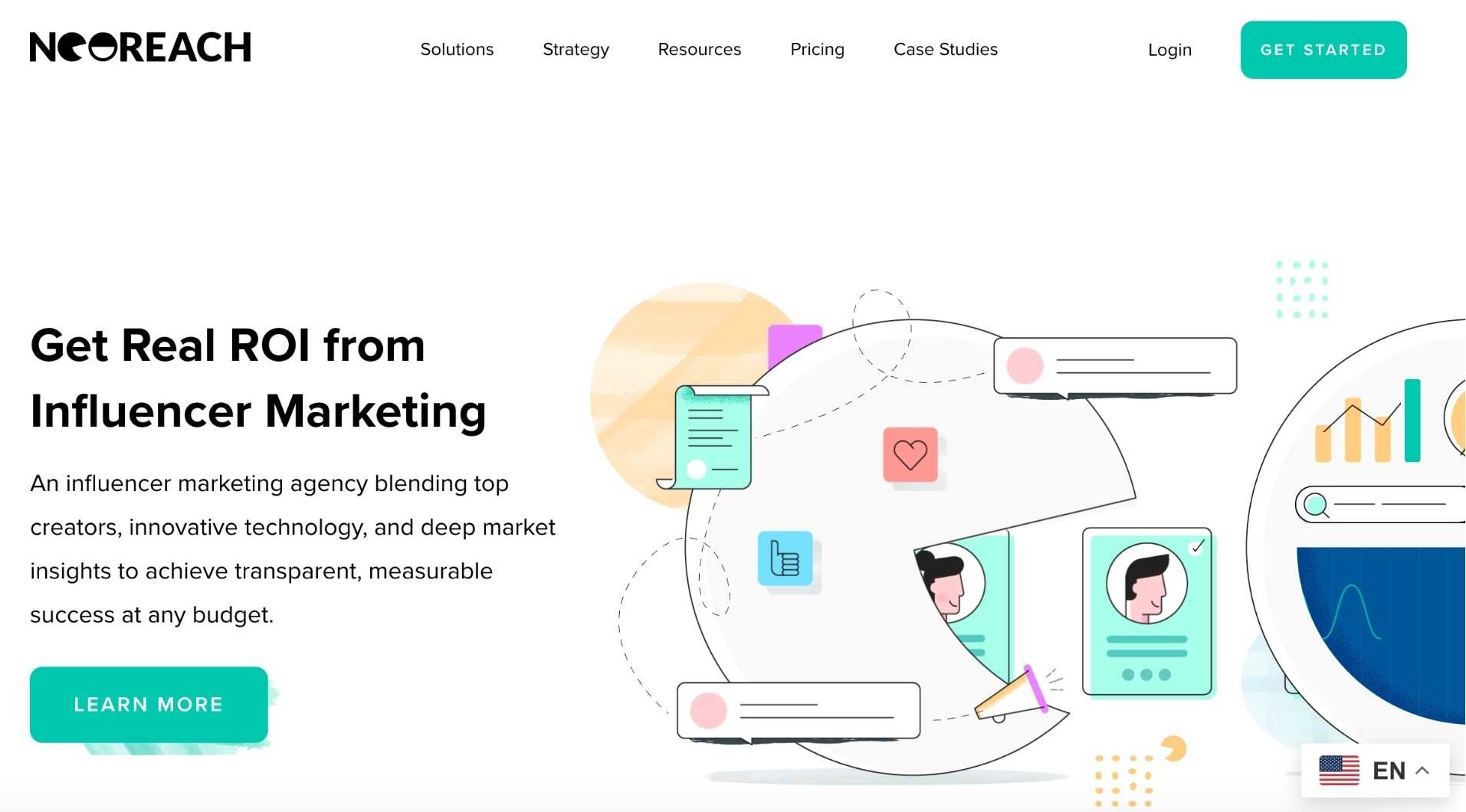
NeoReach ist eine Enterprise-Influencer-Marketing-Plattform und Agency-Hybrid, die für Marken konzipiert ist, die große Entdeckungen, Campaign-Management, Betrugserkennung und benutzerdefinierte Dateninfrastruktur benötigen. Das Software-Angebot konzentriert sich auf Skalierung, anpassbare Workflows, API-Zugriff und Enterprise-Support, während die Service-Seite auch vollständig verwaltete Campaigns und Paid-Media-Ausführung unterstützt.
Hauptmerkmale
- Große Influencer-Suche und Analyse: NeoReach bietet Entdeckungen über mehr als 5 Millionen Influencer mit über 40 Filtern, einschließlich Zielgruppen-Demografie und Profil-Performance.
- Campaign-Management in großem Maßstab: Die Software ist darauf ausgelegt, Influencer-Campaigns an einem Ort zu suchen, zu verwalten und zu verfolgen, mit Unterstützung für unbegrenzte Suchen, Listen, Campaigns und Benutzer im Enterprise-Software-Paket.
- Betrugserkennung: NeoReach legt Wert auf Erkennung gefälschter Follower und betrügerischer Engagement, sowohl in der Plattform als auch in der API-Schicht.
- API und benutzerdefinierte Dateninfrastruktur: Die API ist ein großer Differenzierungsfaktor und bietet benutzerdefinierte Suchverbesserungen, Industriedaten-Feeds und die Möglichkeit, Influencer-Intelligenz in interne Tools zu integrieren.
- Rising-Star-Tracking und Marktdaten: Das API-Produkt enthält Tools zum Erkennen schnell wachsender Creator und zum Abrufen umfassender Marktdaten nach Industrie oder Vertikale.
- Creator-Zahlungen und globale Unterstützung: NeoReach positioniert automatisierte Influencer-Zahlungen und Enterprise-Onboarding als Teil seines skalierbaren Software-Angebots.
- Paid-Media-Unterstützung: Das breitere NeoReach-Angebot umfasst Influencer-Anzeigen und Paid-Media-Ausführung, was ihm einen stärkeren Service-Aspekt gibt als vielen reinen Software-Konkurrenten.
- Managed-Services-Option:
Brands können NeoReach als Software, als verwalteten Kampagnendienst oder als Mischung aus beidem nutzen.
Preise
- Preismodell: NeoReach verwendet individuelle Preise und seine offizielle Preisseite leitet Interessenten an den Vertrieb weiter – sowohl für verwaltete Kampagnen als auch für Plattform-/API-Zugang.
- Offizielle öffentliche Pakete: NeoReach unterscheidet öffentlich zwischen Influencer Campaigns (verwalteter Dienst) und Platform & API-Angeboten.
- Startpreis (Drittanbieter-Auflistung): Capterra listet einen Startpreis von 399 USD/Benutzer/Monat auf, obwohl NeoReach selbst keine öffentliche Gebührenordnung anzeigt.
Bewertungen
4,5/5,0 (G2)
Stärken
- Starke API und benutzerdefinierte Datenstory: NeoReach zeichnet sich für Marken aus, die Influencer-Intelligence in interne Systeme, benutzerdefinierte Apps oder proprietäre Reporting-Umgebungen integrieren möchten.
- Gute Eignung für Enterprise-Skalierung: Unbegrenzte Suchen, Listen, Kampagnen, Benutzer und exportierbare Influencer-Daten machen es attraktiv für große interne Teams und Agenturen.
- Hybrid-Modell Software + verwaltete Dienste: NeoReach kann als eigenständige Plattform oder zusammen mit verwalteter Kampagnenausführung und bezahlter Media-Unterstützung genutzt werden.
Schwächen
- Preisgestaltung ist undurchsichtig: NeoReach ist eindeutig auf Enterprise ausgerichtet, aber Käufer müssen mit dem Vertrieb klären, um genaue Kosten und Paketstruktur zu erhalten.
- Bedenken bezüglich Benutzeroberfläche und Geschwindigkeit erscheinen in Bewertungen: Öffentliches Feedback enthält Beschwerden über umständliche Navigation, langsame Ladezeiten und Suchreibungen. (G2)
- Nicht die einfachste Option für kleinere DTC-Teams: Seine Stärken sind Skalierung, API-Zugang und Anpassung statt leichte tägliche E-Commerce-Workflows.
Integrationen
- API — Ermöglicht es Marken, NeoReach-Influencer-Daten und Kampagnen-Workflows in interne Systeme und benutzerdefinierte Anwendungen zu integrieren.
- Creator-Zahlungen — Unterstützt skalierbare Creator-Zahlungs-Workflows als Teil seines Enterprise-Lösungsportfolios.
- Paid Social-Plattformen — NeoReach kann Influencer-Inhalte über Facebook, Instagram, TikTok, Snapchat und mehr durch seine Paid-Media-Dienste verbreiten.
- Produktversand & Logistik — Unterstützt Produktverteilung und personalisierte Lieferungen für kampagnenintensive Seeding.
- Betrugserkennung-Stack — Fügt Audience-Qualität und Betrugserkennung zu Influencer-Auswahl und Kampagnenplanung hinzu.
Glewee vs. NeoReach
Glewee ist für Marken konzipiert, die eine zugänglichere, kampagnenorientierte Influencer-Plattform mit kuratierten Creator-Bewerbungen und einfacheren UGC-Workflows wünschen. NeoReach ist eine viel stärker auf Enterprise ausgerichtete Lösung für Marken und Agenturen, die großangelegte Suche, Anpassungen, API-Zugang, Betrugserkennung und sogar verwaltete Dienste benötigen.
Für KMU- und Mid-Market-DTC-Marken ist Glewee in der Regel die einfachere und kostengünstigere Wahl. Für größere Marken, die Software plus optionale praktische Dienste, flexiblere Enterprise-Konfiguration und tiefere Analytics-Infrastruktur benötigen, ist NeoReach die bessere Lösung. Der Tradeoff ist Komplexität, undurchsichtige Preisgestaltung und ein intensiverer Implementierungsprozess.


6. Lefty
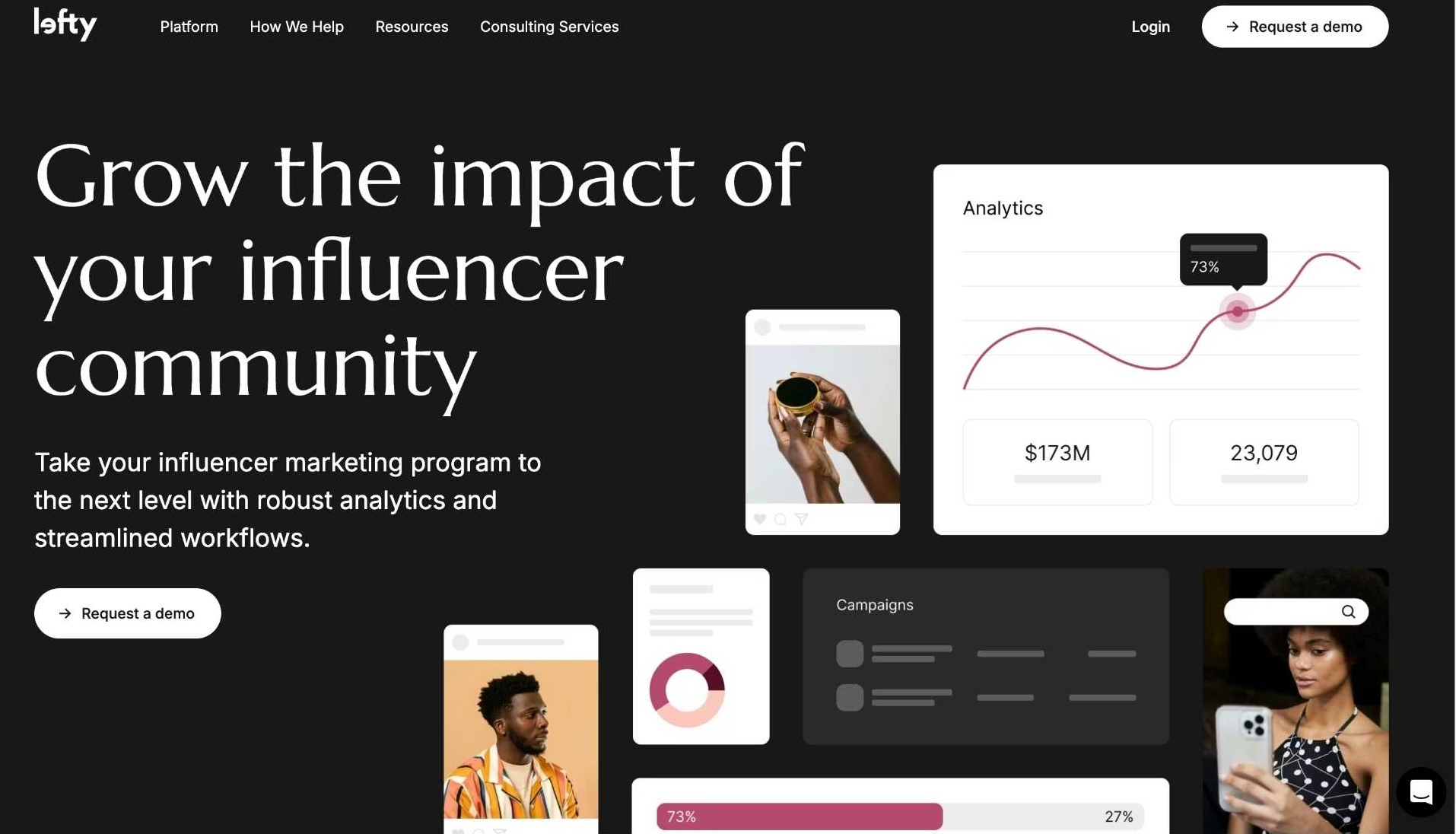
Lefty ist eine KI-gestützte Influencer-Marketing-Plattform, die Marken dabei hilft, Creator-Partnerschaften über mehrere Social-Media-Plattformen hinweg zu entdecken, zu verwalten und zu skalieren. Sie konzentriert sich auf die Kombination von Influencer-Discovery mit Campaign-Management und fortgeschrittenen Analytics, mit großem Fokus auf Brand Safety, Zielgruppeneinblicke und skalierbare Workflows für mittlere bis große Teams.
Wichtigste Funktionen
- KI-gestützte Influencer-Discovery: Lefty ermöglicht es Marken, Millionen von Creatorn zu durchsuchen, indem Sie Filter wie Zielgruppen-Demografie, Engagement-Raten, Content-Typ und Brand Affinity nutzen.
- Zielgruppen- und Authentizitätsanalyse: Bietet tiefe Einblicke in die Qualität von Followern, Erkennung gefälschter Follower und Zielgruppen-Demografie, um sichere Brand-Partnerschaften zu gewährleisten.
- Campaign-Management-Dashboard: Verwalten Sie Kampagnen von Anfang bis Ende, einschließlich Creator-Auswahl, Kommunikation, Liefergegenstände und Genehmigungen an einem Ort.
- Konkurrenz- und Social-Listening: Verfolgen Sie die Influencer-Kampagnen von Konkurrenten und identifizieren Sie Creator, die bereits in Ihrer Kategorie arbeiten.
- Performance-Analytics und Reporting: Bietet Campaign-Level-Einblicke einschließlich Reichweite, Engagement, EMV und Performance-Benchmarking.
- Content-Tracking und Monitoring: Verfolgt automatisch Influencer-Posts, Erwähnungen, Hashtags und Campaign-Liefergegenstände über Plattformen hinweg.
- Brand-Safety-Kontrollen: Integrierte Tools zum Filtern riskanter Creator basierend auf Content, Zielgruppe oder früheren Zusammenarbeit.
Preisgestaltung
- Startpreis: ~€590 pro Monat.
- Pro Plan: ~€990/Monat, einschließlich 2 Benutzer, 5 Kampagnen und unbegrenzte Reports.
- Premium Plan: ~€1.690/Monat, mit dediziertem Manager.
- Premium+ Plan: ~€3.490/Monat für 10 Benutzer und 25 Kampagnen.
Bewertungen
4,7/5,0 (G2)
Vorteile
- Starke Brand-Affinity und Konkurrenz-Tracking
Die Fähigkeit von Lefty, Influencer zu identifizieren, die bereits mit Konkurrenten oder ähnlichen Marken zusammenarbeiten, ist ein großer Unterscheidungsfaktor für strategische Kampagnen. - Fortgeschrittene Analyse der Zielgruppen-Qualität
Die Betrugserkennung und Zielgruppen-Einblicke sind robuster als bei vielen Mid-Market-Plattformen. - Enterprise-Level-Analytics und Reporting
Bietet tiefere Campaign-Einblicke und Benchmarking im Vergleich zu einfacheren Tools.
Nachteile
- Keine transparente Preisgestaltung
Erfordert Verkaufsgespräche, was es kleineren Teams schwerer macht, schnell zu evaluieren. - Steilere Lernkurve
Fortgeschrittene Analytics und Filterung können für neue Benutzer komplex wirken. - Besser geeignet für größere Teams
Kleinere Marken könnten ihre Enterprise-Level-Fähigkeiten nicht vollständig nutzen.
Integrationen
- Instagram – Ermöglicht Influencer-Discovery und Campaign-Tracking auf einer der Kernplattformen.
- TikTok – Unterstützt Short-Form-Video-Campaign-Tracking und Creator-Analyse.
- YouTube – Ermöglicht Long-Form-Content-Performance-Tracking und Creator-Einblicke.
- Google Analytics – Verbindet Influencer-Kampagnen mit Website-Traffic und Conversion-Daten.
- Shopify – Verbindet Influencer-Kampagnen mit E-Commerce-Performance und Sales-Tracking.
Glewee vs Lefty
Glewee konzentriert sich mehr auf Einfachheit und einen kuratierten Creator-Marktplatz, was es kleineren Marken leichter macht, Kampagnen schnell zu starten. Lefty hingegen ist datenintensiver und bietet tiefere Analytics, Zielgruppen-Qualitäts-Einblicke und Konkurrenz-Tracking. Marken, die fortgeschrittene Einblicke und großflächige Discovery priorisieren, bevorzugen möglicherweise Lefty, während jene, die Benutzerfreundlichkeit und schnelleres Onboarding suchen, zu Glewee tendieren.
7. Insense
```
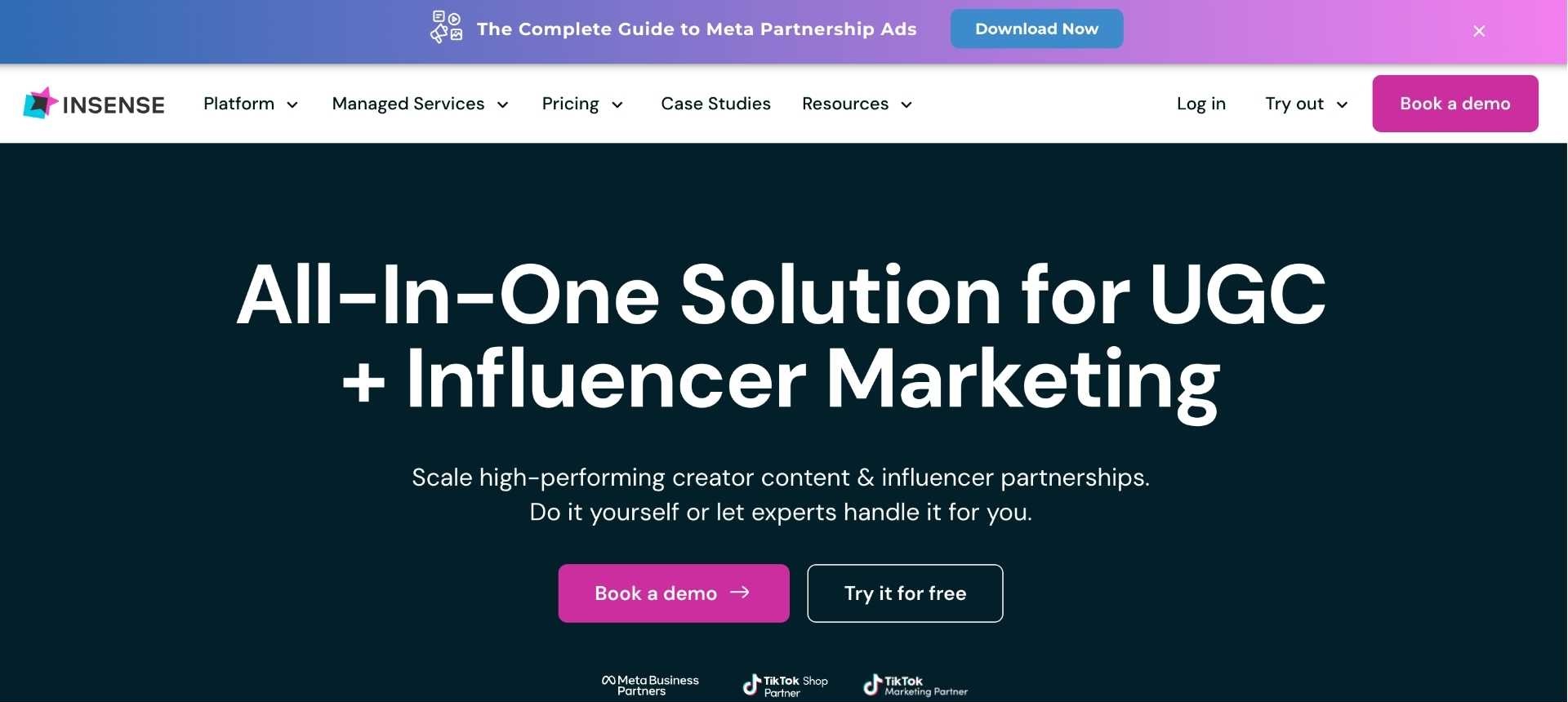
Insense ist eine Creator-Marketing-Plattform, die auf UGC (User-Generated Content) und Paid-Social-Kampagnen ausgerichtet ist. Sie verbindet Marken mit geprüften Creatorn, um Inhalte für Anzeigen, soziale Medien und E-Commerce zu erstellen, und ist besonders beliebt bei DTC-Marken, die ihre kreative Produktion skalieren möchten, anstatt nur die Reichweite von Influencern zu erhöhen.
Wichtigste Funktionen
- Creator-Marketplace: Greifen Sie auf einen geprüften Pool von Creatorn zu, die sich direkt bei Kampagnen bewerben und den manuellen Outreach-Aufwand reduzieren.
- UGC-fokussierte Kampagnen: Konzipiert in erster Linie für Content-Erstellung statt für Influencer-Promotion, sodass Marken Anzeigenkreative in großem Maßstab generieren können.
- Content Briefs und Genehmigungen: Verwalten Sie Briefs, Einreichungen, Überarbeitungen und Genehmigungen direkt in der Plattform.
- Paid-Ads-Integration: Führen Sie von Creatorn generierte Inhalte als Anzeigen auf Meta und TikTok direkt von Insense aus.
- Whitelisting und Anzeigenberechtigungen: Ermöglichen Sie Marken, Anzeigen von Creator-Konten auszuführen, um die Leistung zu verbessern.
- Leistungsverfolgung: Verfolgen Sie Metriken wie Engagement, Klicks und Anzeigenleistung für UGC-Kampagnen.
- Collaboration Tools: Integriertes Messaging und Workflow-Management für reibungslosere Brand-Creator-Kommunikation.
Preisgestaltung
- Testversion: ab 650 $/Monat, mit Option zum Upgrade auf einen Quartalsplan.
- Brand Plan: ab 500 $/Monat abgerechnet vierteljährlich oder 400 $/Monat abgerechnet jährlich.
- Agency Plan: ab 800 $/Monat abgerechnet vierteljährlich oder 640 $/Monat abgerechnet jährlich.
- Self-Service-Pläne verlängern sich automatisch alle 3 Monate bei vierteljährlicher Abrechnung, und Creator-Zahlungen werden separat über ein Marketplace-Gebührenmodell budgetiert.
Bewertungen
4,5/5,0 (G2)
Vorteile
- Starker Fokus auf UGC für Paid Ads
Insense zeichnet sich dadurch aus, dass es Marken hilft, Inhalte zu erstellen, die speziell für Performance Marketing konzipiert sind. - Direkte Integration mit Ad-Plattformen
Ermöglicht die nahtlose Bereitstellung von Creator-Inhalten in bezahlten Kampagnen. - Pool von hochwertig geprüften Creatorn
Konzentriert sich auf Creator, die Erfahrung mit konversionsgetriebenen Inhalten haben.
Nachteile
- Weniger Fokus auf organische Influencer-Kampagnen
Nicht ideal für Marken, die Influencer-Marketing mit Awareness-Fokus priorisieren. - Begrenzte erweiterte CRM-Funktionen
Verfügt über weniger tiefgreifende Beziehungsverwaltung als Plattformen wie GRIN. - Preisgestaltung nicht transparent
Erfordert Diskussionen mit dem Verkaufsteam.
Integrationen
- Meta Ads (Facebook & Instagram) – Führen Sie Creator-Inhalte direkt als bezahlte Anzeigen aus.
- TikTok Ads – Starten und optimieren Sie Creator-gesteuerte Werbekampagnen.
- Shopify – Verfolgen Sie Conversions und Produktleistung aus Kampagnen.
- Google Analytics – Messen Sie Website-Traffic und Conversions von UGC-Kampagnen.
- Slack – Optimieren Sie interne Kommunikation und Kampagnenzusammenarbeit.
Glewee vs Insense
Glewee ist eine breitere Influencer-Marketing-Plattform mit Campaign Management, Bewerbungen und Affiliate-Workflows. Insense ist spezialisierter und konzentriert sich auf UGC-Erstellung und Paid-Ad-Performance. Marken, die nach organischen Influencer-Partnerschaften suchen, bevorzugen möglicherweise Glewee, während diejenigen, die anzeigenreife Inhalte und ROAS priorisieren, stärker von Insense profitieren.
8. Kolsquare

Kolsquare ist eine europäische Influencer-Marketing-Plattform, die sich auf datengesteuerte Creator-Discovery, Campaign Management und Compliance konzentriert. Sie wird häufig von Agenturen und Marken verwendet, die detaillierte Zielgruppeneinblicke, starke Analytics und GDPR-konforme Influencer-Marketing-Workflows suchen.
Wichtigste Funktionen
- Erweiterter Influencer-Suchmaschinea: Greifen Sie auf Millionen von Creatorn zu, gefiltert nach Zielgruppen-Demografie, Engagement, Standort und Nische.
- Zielgruppenqualität und Fake-Follower-Erkennung: Bietet detaillierte Authentizitätsbewertungen und Zielgruppen-Aufschlüsselungen.
- Campaign-Management-Tools:Plan, execute, and track campaigns with centralized dashboards and collaboration features.
- Performance analytics: Track KPIs such as reach, engagement, EMV, and campaign ROI.
- Influencer CRM: Manage creator relationships, track communications, and organize campaigns efficiently.
- GDPR compliance: Built with strong data privacy standards, making it a preferred choice for European brands.
- Competitive benchmarking: Compare campaign performance against industry benchmarks.
Preise
- Nur benutzerdefinierte Preise
- Typischerweise strukturiert als jährlicher SaaS-Vertrag basierend auf Nutzung und Teamgröße
Bewertungen
4.5/5.0 (G2)
Vorteile
- Starke Datengenauigkeit und Compliance-Fokus
Kolsquare ist bekannt für zuverlässige Zielgruppen-Insights und GDPR-konforme Datenverarbeitung. - Erweiterte Filter- und Discovery-Funktionen
Die Suchmaschine ermöglicht hochgradig detailliertes Targeting für Nischenkampagnen. - Umfassende Analytics-Dashboards
Bietet detaillierte Berichte, die Teams helfen, die Kampagnenwirksamkeit klar zu messen.
Nachteile
- Begrenzte E-Commerce- und Affiliate-Tracking
Im Vergleich zu neueren Plattformen fehlen tiefe Commerce-Integrationen. - Keine transparente Preisgestaltung
Erfordert Verkaufsgespräche für Angebote und Funktionszugriff. - Weniger Fokus auf Paid-Media-Skalierung
Nicht so stark darauf ausgerichtet, Influencer-Inhalte in Anzeigen umzuwandeln.
Integrationen
- Instagram – Kernplattform für Influencer-Entdeckung und Tracking.
- TikTok – Ermöglicht Kampagnen-Tracking und Creator-Analyse.
- YouTube – Unterstützt längerfristige Influencer-Kampagnen.
- Google Analytics – Verbindet Kampagnenleistung mit Website-Metriken.
- Shopify – Verfolgt Verkäufe und Konversionen aus Influencer-Kampagnen.
Glewee vs Kolsquare
Glewee ist zugänglicher und fokussiert sich auf die Ausführung, während Kolsquare datengesteuert und compliance-fokussiert ist. Marken, die einfaches Kampagnenmanagement suchen, bevorzugen möglicherweise Glewee, während diejenigen, die erweiterte Analytics und behördliche Compliance benötigen, mehr von Kolsquare profitieren.
9. Skeepers
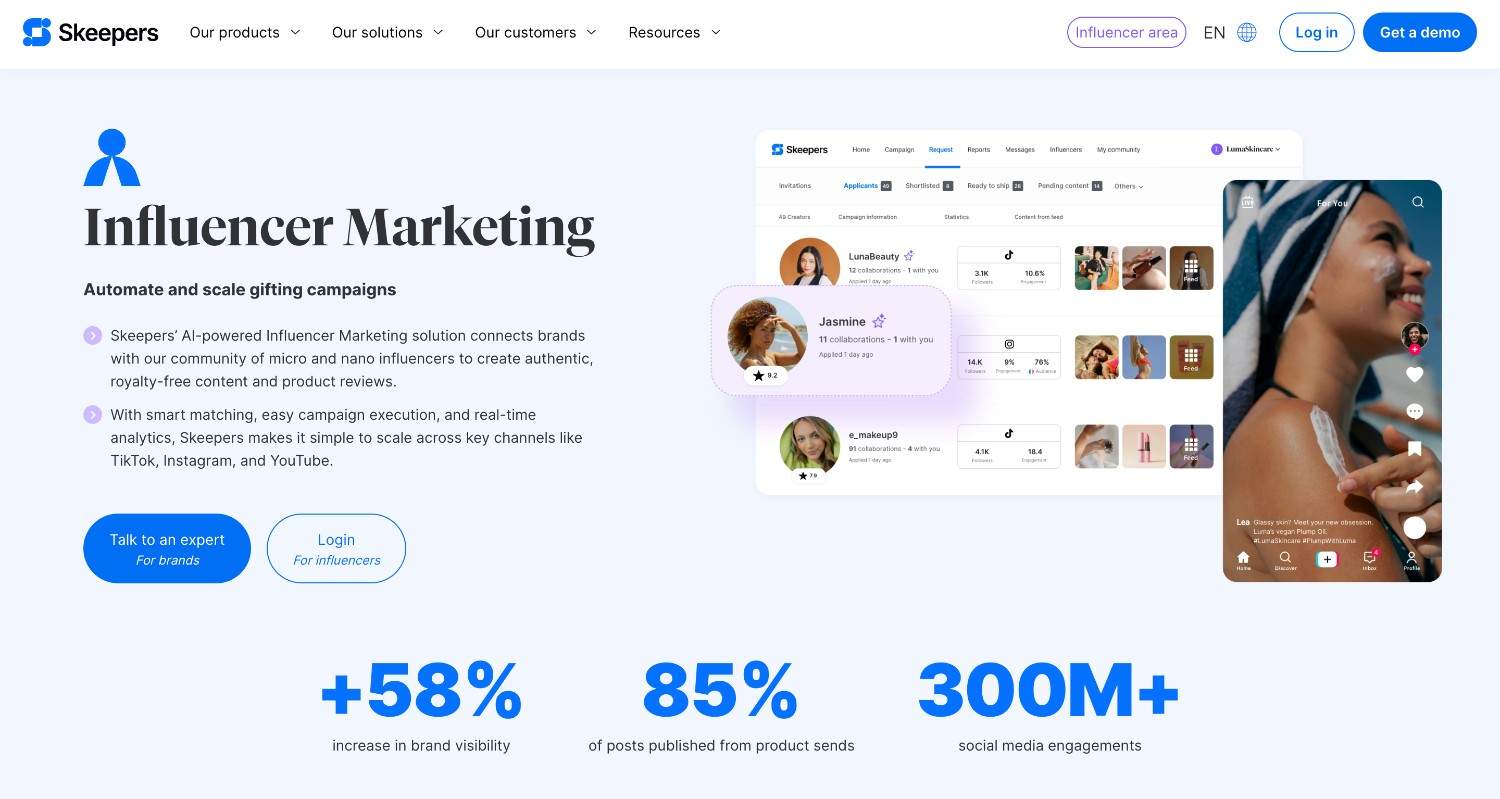
Skeepers ist eine Verbraucher-Engagement-Plattform, die Influencer Marketing neben nutzergenerierten Inhalten, Bewertungen und Ratings umfasst. Die Influencer-Lösung konzentriert sich auf Micro- und Nano-Creator und hilft Marken, authentische Kampagnen im großen Maßstab zu erstellen und gleichzeitig Influencer Marketing mit breiteren UGC-Strategien zu kombinieren.
Hauptmerkmale
- Micro- und Nano-Influencer-Netzwerk: Konzentriert sich auf kleinere Creator für authentisches Engagement und kosteneffiziente Kampagnen.
- UGC- und Influencer-Integration: Verbindet Influencer-Kampagnen mit Bewertungen, Ratings und Kundeninhalten.
- Kampagnenverwaltungstools: Verwalten Sie Briefs, Creator-Auswahl und Kampagnenausführung auf einer Plattform.
- Inhaltserfassung und -wiederverwendung: Erfasst Influencer-Inhalte automatisch zur Wiederverwendung in Marketing-Kanälen.
- Performance Analytics: Verfolgt Engagement, Reichweite und Kampagnenergebnisse.
- Community-getriebener Ansatz: Fördert langfristige Beziehungen zu Creatoren statt einmaliger Kampagnen.
Preise
- Skeepers listet auf seiner Hauptwebseite keine detaillierte Preistabelle für Influencer Marketing auf.
- Capterra gibt einen Startpreis von 1.250 €/Monat an und besagt, dass keine kostenlose Testversion verfügbar ist.
Bewertungen
4.3/5.0 (Capterra)
Vorteile
- Starke UGC- + Influencer-Kombination
Skeepers besticht darin, Influencer-Kampagnen mit Bewertungen und Kundeninhalten zu verbinden. - Fokus auf Micro-Influencer
Hilft Marken, authentisches Engagement zu geringeren Kosten zu erzielen. - Content-Wiederverwendungsmöglichkeiten
Macht es einfach, Influencer-Inhalte über Kanäle hinweg zu nutzen.
Nachteile
- Weniger geeignet für großflächige Influencer-Entdeckung
Konzentriert sich mehr auf bestehende Communities und kleinere Creator. - Eingeschränkte erweiterte Analysen
Die Berichterstellung ist weniger detailliert im Vergleich zu Enterprise-Tools. - Nicht leistungsmarketing-fokussiert
Fehlende starke Attribution und Paid-Media-Funktionen.
Integrationen
- Shopify – Synchronisieren Sie Produktdaten für Influencer-Kampagnen und UGC-Workflows.
- Magento – Verbinden Sie E-Commerce-Daten für Campaign-Tracking und Content-Nutzung.
- Salesforce – Integrieren Sie Influencer-Daten in CRM-Systeme.
- Google Analytics – Verfolgen Sie die Auswirkungen von Kampagnen auf die Website-Performance.
- Email-Marketing-Tools – Nutzen Sie Influencer-Inhalte in E-Mail-Kampagnen.
Glewee vs Skeepers
Glewee konzentriert sich rein auf die Ausführung von Influencer-Kampagnen, während Skeepers sich auf Reviews und UGC-Verwaltung erweitert. Marken, die ein breiteres Content-Ökosystem suchen, bevorzugen möglicherweise Skeepers, während diejenigen, die eine optimierte Influencer-Plattform wünschen, Glewee einfacher und fokussierter finden.
10. Creator.co
Creator.co ist eine Influencer-Marketing-Plattform, die einen Creator-Marketplace mit Campaign-Management- und Analytics-Tools kombiniert. Sie wurde entwickelt, um Marken dabei zu helfen, Kampagnen schnell zu starten, indem sie sie mit Creatorn verbindet, die sich direkt bewerben, und macht sie besonders attraktiv für kleinere Teams und schnelllebige Kampagnen.
Wichtigste Funktionen
- Creator-Marketplace: Marken können Kampagnen veröffentlichen und Bewerbungen von Creatorn erhalten, was den Outreach-Aufwand reduziert.
- Campaign-Management-Tools: Verwalten Sie Briefings, Genehmigungen, Kommunikation und Liefergegenstände an einem Ort.
- Automatisierte Workflows: Vereinfacht die Campaign-Einrichtung und -Ausführung mit vordefinierten Vorlagen und Prozessen.
- Content-Tracking: Verfolgt Posts, Engagement und Campaign-Performance.
- Influencer Discovery: Grundlegende Such- und Filterfunktionen zum Auffinden von Creatorn.
- Performance-Analysen: Bietet Campaign-Level-Einblicke wie Reichweite, Engagement und ROI.
- Skalierbare Kampagnen: Geeignet für die gleichzeitige Durchführung mehrerer Kampagnen.
Preisgestaltung
- Self-Serve: 299 USD/Monat mit einer Mindestbindung von 3 Monaten.
- Managed: 2.199 USD/Monat mit einer Mindestbindung von 3 Monaten.
- Enterprise: Benutzerdefinierte Preisgestaltung mit jährlicher Verpflichtung.
- Auf der Preisseite wird auch vermerkt, dass nach dem anfänglichen Zeitraum monatliche Abonnements auf Monat-zu-Monat-Abrechnungen übergehen, während jährliche Pläne jährlich zu einem reduzierten Satz erneuert werden.
- Creator.co bietet eine kostenlose Testversion für Self-Serve an.
Bewertungen
4,6 / 5,0 (G2)
Vorteile
- Benutzerfreundliches Marketplace-Modell
Creator.co vereinfacht influencer marketing, indem Creator sich direkt auf Kampagnen bewerben können. - Erschwingliche Einstiegspreise
Niedrigere Startkosten machen es für kleine und mittelständische Marken zugänglich. - Schnelle Campaign-Einrichtung
Vordefinierte Workflows ermöglichen es Marken, Kampagnen schneller zu starten.
Nachteile
- Begrenzte erweiterte Discovery-Funktionen
Suche und Filterung sind weniger ausgefallen als bei größeren Plattformen. - Grundlegende Analysen im Vergleich zu Enterprise-Tools
Die Berichterstellung fehlt es an Tiefe für fortgeschrittenes Performance-Tracking. - Weniger geeignet für umfangreiche Programme
Besser für kleinere Kampagnen als für Enterprise-Operationen.
Integrationen
- Shopify – Verbinden Sie Produkte und verfolgen Sie Influencer-getriebene Verkäufe.
- Instagram – Verfolgen Sie Posts und Engagement-Metriken.
- TikTok – Überwachen Sie Campaign-Performance und Creator-Aktivität.
- Stripe – Verwalten Sie Zahlungen und Finanztransaktionen.
- Google Analytics – Messen Sie die Auswirkungen von Kampagnen auf die Website-Performance.
Glewee vs Creator.co
Glewee und Creator.co sind beide SMB-freundliche Plattformen mit Marketplace-Modellen, aber Glewee bietet ein stärker kuriertes Creator-Netzwerk und einen robusteren UGC-Workflow. Creator.co zeichnet sich durch Erschwinglichkeit und flexible Managed-Service-Optionen aus. Marken, die einen polierteren Marketplace bevorzugen, können sich für Glewee entscheiden, während diejenigen, die Kosten und Flexibilität priorisieren, Creator.co wählen können.
Abschließende Gedanken
Glewee zeichnet sich als zugängliche, marketplace-gesteuerte Plattform aus, die influencer marketing für kleine bis mittlere Teams vereinfacht, insbesondere für diejenigen, die sich auf UGC, Gifting und schnelle Kampagnenausführung konzentrieren. Wie die Landschaft jedoch zeigt, unterscheiden sich Alternativen erheblich in Tiefe und Spezialisierung – von E-Commerce-fokussierten Plattformen wie GRIN und Upfluence bis hin zu Enterprise-Lösungen wie CreatorIQ und NeoReach sowie UGC- oder Paid-Media-fokussierten Tools wie Insense und Skeepers. Jede Plattform bringt unterschiedliche Stärken mit sich, sei es fortgeschrittene Analytics, tiefere Integrationen oder skalierbarere Workflows.
Letztendlich hängt die richtige Alternative davon ab, wie Marken influencer marketing angehen – als leichte Akquisitionsmöglichkeit, als strukturiertes CRM-gesteuertes Programm oder als vollständig integrierte Revenue Engine. Während Glewee Einfachheit und Geschwindigkeit bietet, bieten viele Alternativen größere Flexibilität, Automatisierung oder Datentiefe, besonders für Teams, die im großen Maßstab arbeiten oder eine engere Integration mit ihrem breiteren Marketing- und Commerce-Stack benötigen.
.png)


.jpg)